Appliance Supply Line Inspection: A 10-Minute Home Check
Most appliance water line failures show warning signs before they fail completely — a quick seasonal check catches them.
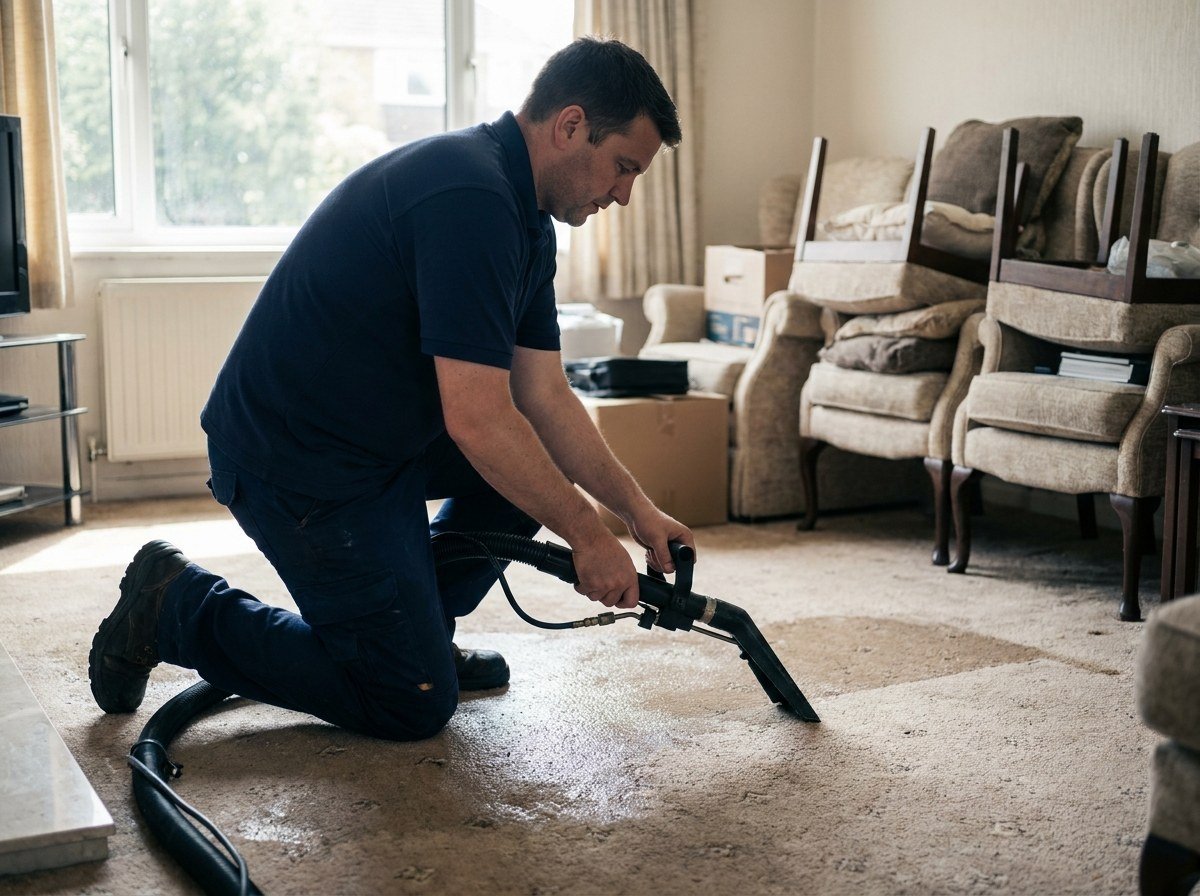
Appliance supply line failures are one of the most common sources of water damage — and one of the most preventable, since worn lines usually show visible warning signs before they fail completely. A ten-minute walkthrough a couple of times a year catches most of them.
What to Check on Every Line
- Material and age. Rubber hoses degrade faster than braided stainless steel — if you have rubber supply lines older than five years, that's your highest-priority upgrade.
- Visible cracking or bulging. Any sign of wear on the hose itself means replacement, not "keep an eye on it."
- Connection points. Check for mineral buildup, corrosion, or dampness at both ends of the line.
- Kinks. A kinked line under constant pressure is a stress point that fails earlier than a straight run.
The Walkthrough
- Washing machine: pull it out slightly and inspect both hot and cold hoses.
- Dishwasher: check the supply line and drain hose where accessible, and the cabinet floor around it.
- Refrigerator/ice maker: inspect the visible tubing behind the unit.
- Water heater: check inlet and outlet connections, and the tank itself for corrosion.
- Toilets: check the supply line and the wax ring seal at the base for any staining on the floor.
- Under sinks: kitchen and every bathroom, checking supply lines and the trap connections.
When to Upgrade Proactively
Braided stainless steel supply lines cost only a little more than rubber and last significantly longer — a reasonable proactive upgrade for washing machines and toilets especially, given how much water those lines carry under constant pressure.
Frequently Asked Questions
For a typical home, checking every major appliance supply line takes about ten to fifteen minutes once you know what you're looking for — a reasonable trade for catching a failure before it happens.
Found a line that already failed?
Get help routed to your property to assess any resulting damage.