
When water gets in, the next step should be clear.
IndyWaterHelp is an independent local resource for Indianapolis-area homeowners, renters, and property managers. Tell us what happened, and we'll connect your request with a local restoration professional who can assess the damage and explain the next move.
What's happening at your property?
Water Damage Gets Worse the Longer It Sits
Standing water doesn't stay contained. Drywall wicks moisture upward, subflooring swells, and materials that could otherwise be dried and saved start to need replacement instead — often within the first 24 to 48 hours. Indianapolis's humid summers accelerate that timeline further, since damp materials in a warm, poorly ventilated basement create ideal conditions for mold growth well before most homeowners think to check.
None of this means every situation is a crisis. A small appliance leak caught quickly is a very different job than a basement that sat flooded over a weekend. What matters is getting an accurate read on the situation early, so decisions about drying, tear-out, and repairs are based on real assessment rather than guesswork.
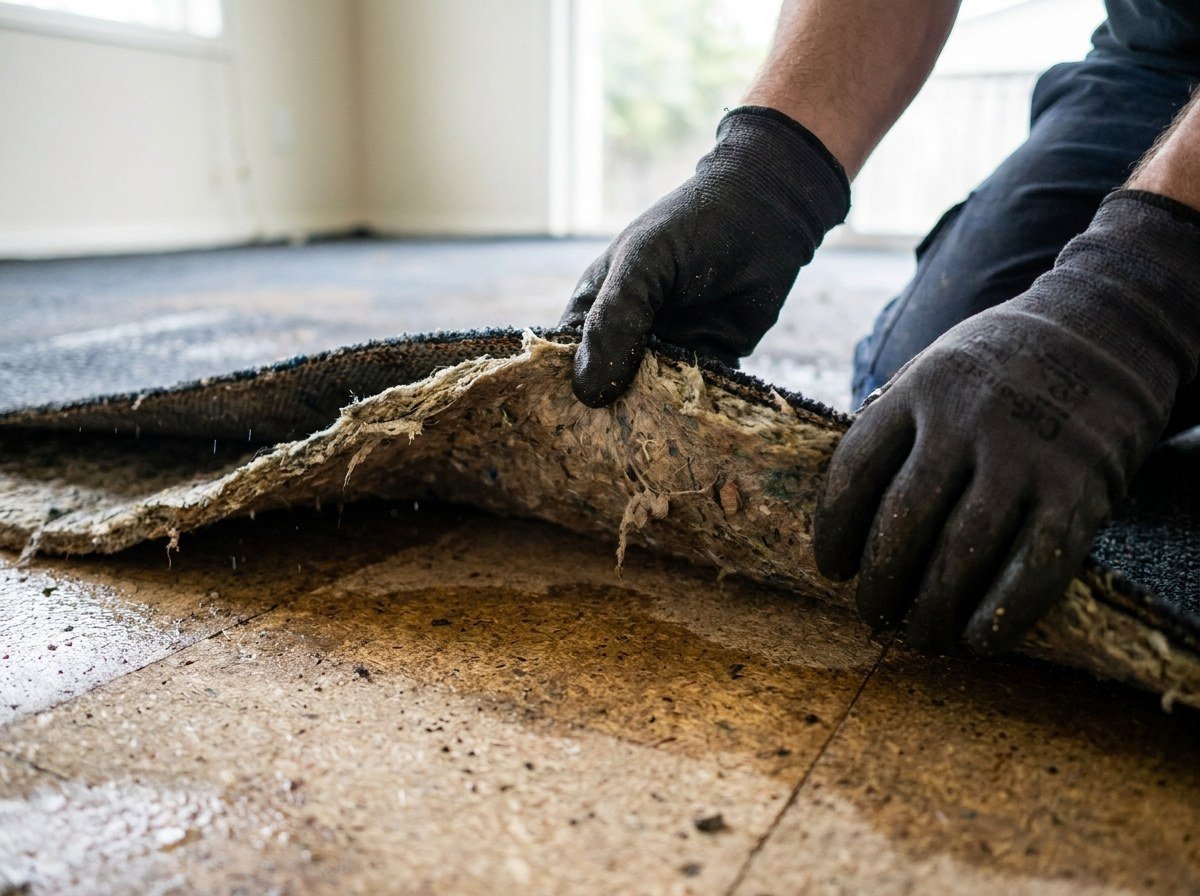
What tends to happen over time
| Timeframe | What's commonly observed |
|---|---|
| 0–24 hrs | Materials are saturated but often still salvageable with prompt extraction and drying |
| 24–48 hrs | Drywall and wood begin to swell; mold growth can begin in favorable conditions |
| 48–72 hrs+ | Structural materials often need removal; mold colonization becomes more likely |
General timelines only — actual outcomes depend on water type, ventilation, humidity, and materials involved. A professional assessment is the only way to know your specific situation.
Restoration Help for Every Type of Water Loss
These are the situations local restoration professionals in our network handle most often around Indianapolis and Central Indiana.
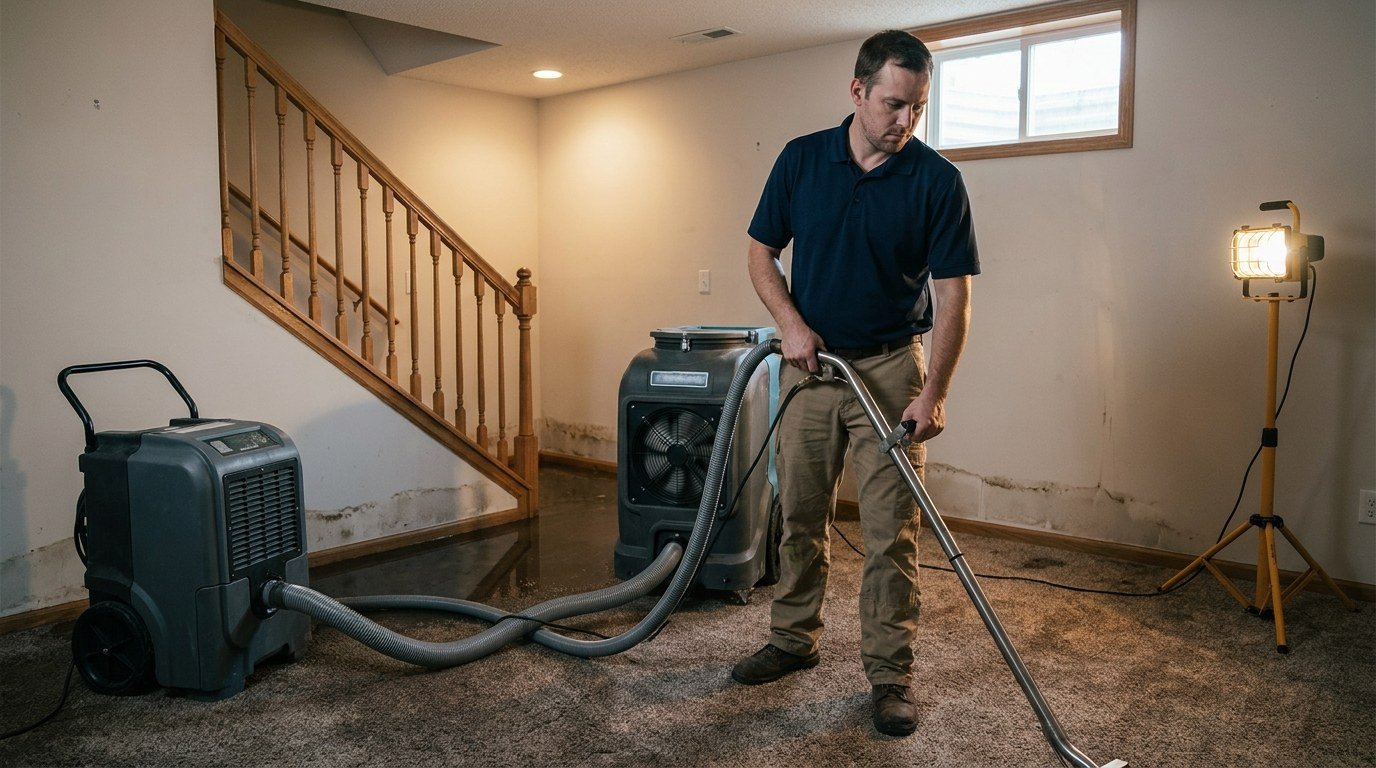
Emergency Water Removal
Extraction and immediate mitigation to stop water from spreading further into a structure.
Learn more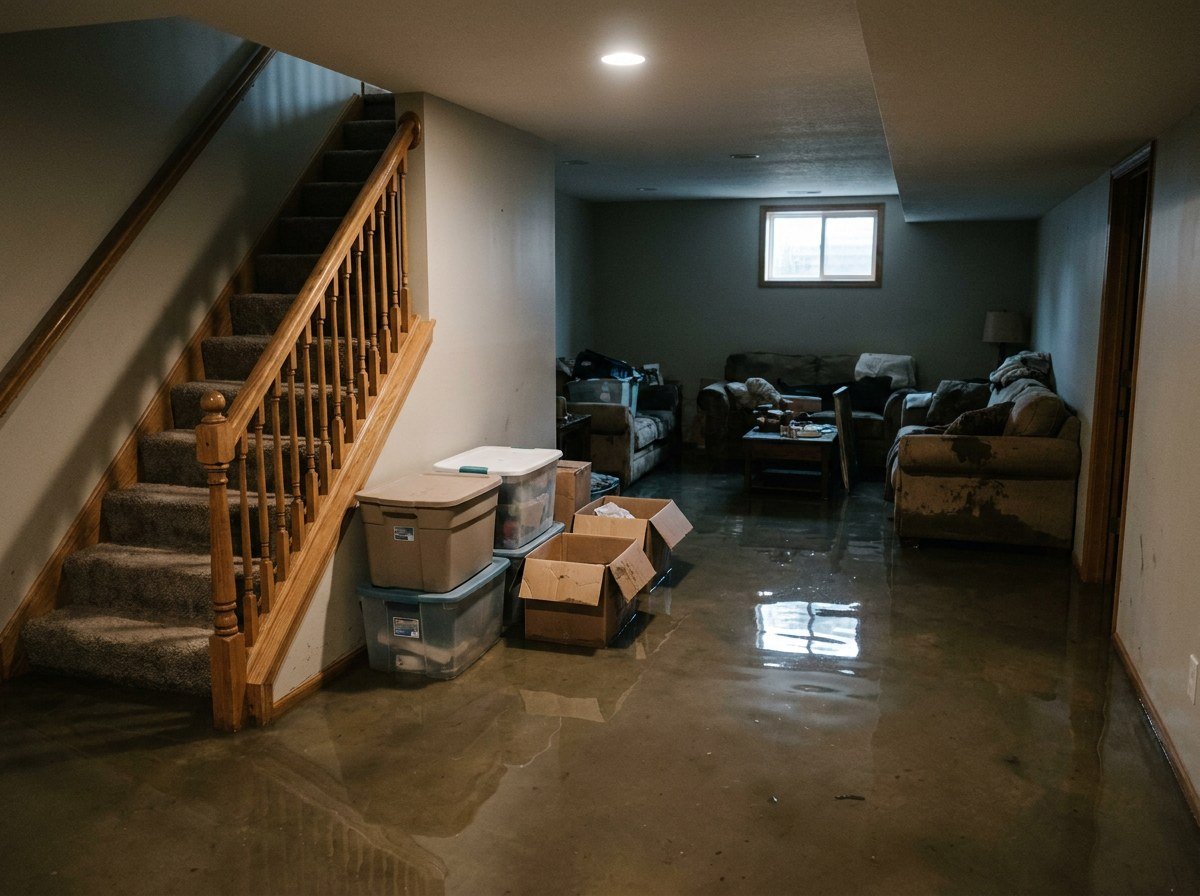
Basement Flood Cleanup
Sump pump failure, groundwater intrusion, and storm-driven basement flooding.
Learn more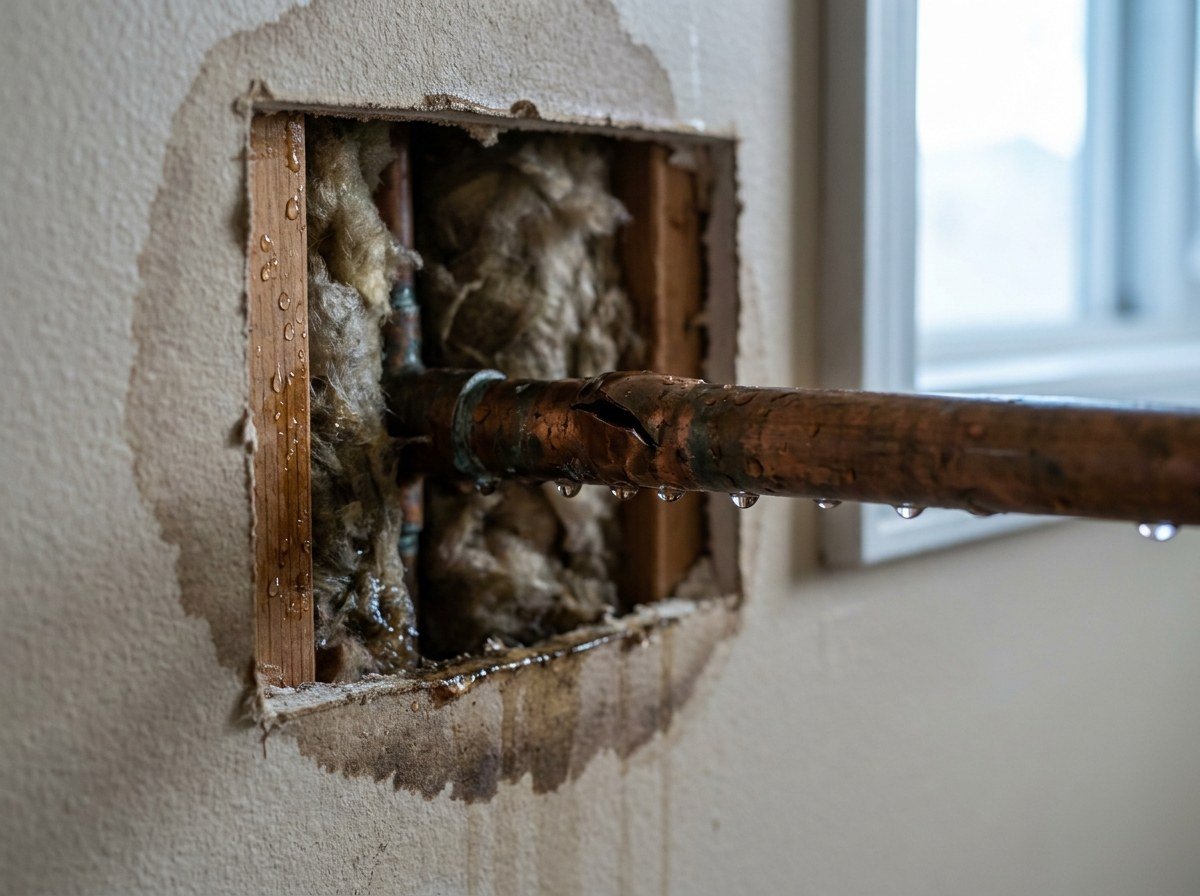
Burst & Frozen Pipe Cleanup
Freeze-thaw pipe failures and sudden supply-line breaks throughout the home.
Learn more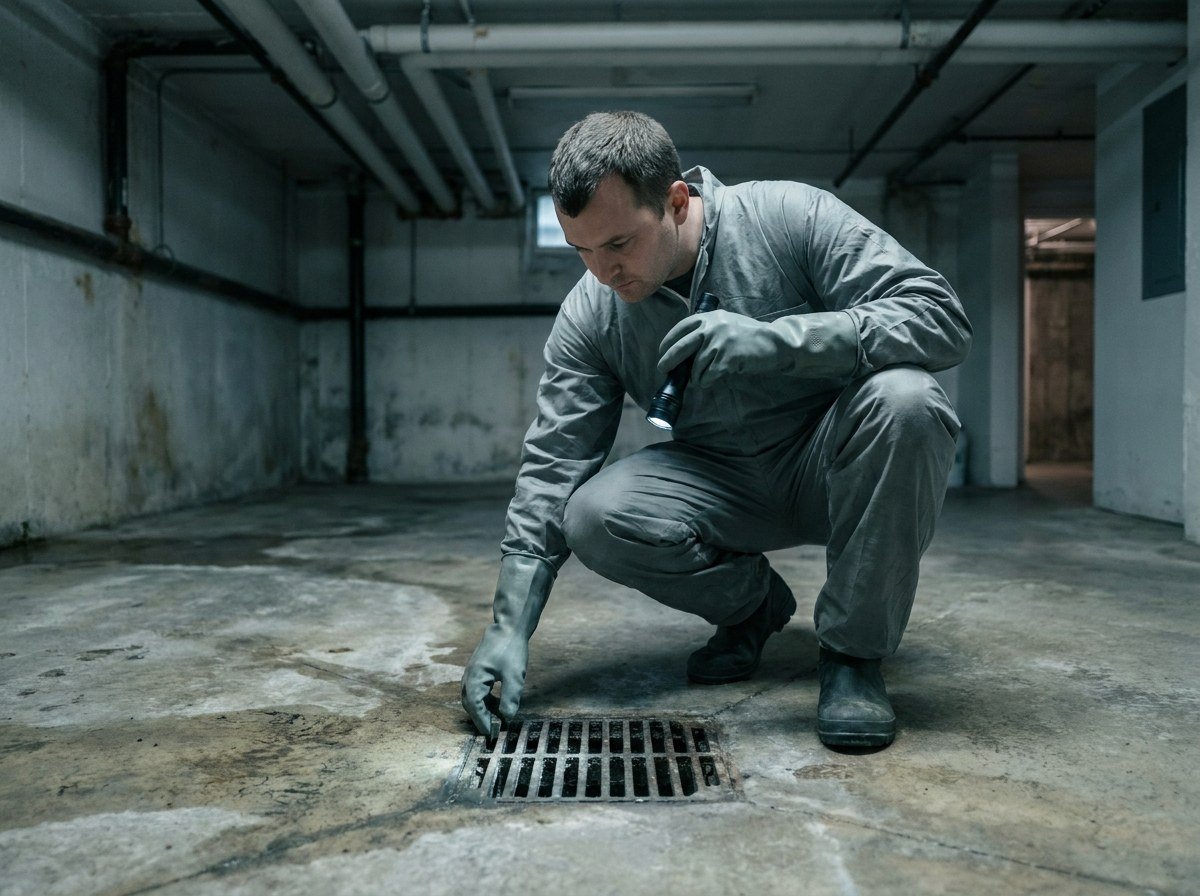
Sewage & Sewer Backup Cleanup
Contaminated water cleanup requiring specialized handling and sanitation.
Learn more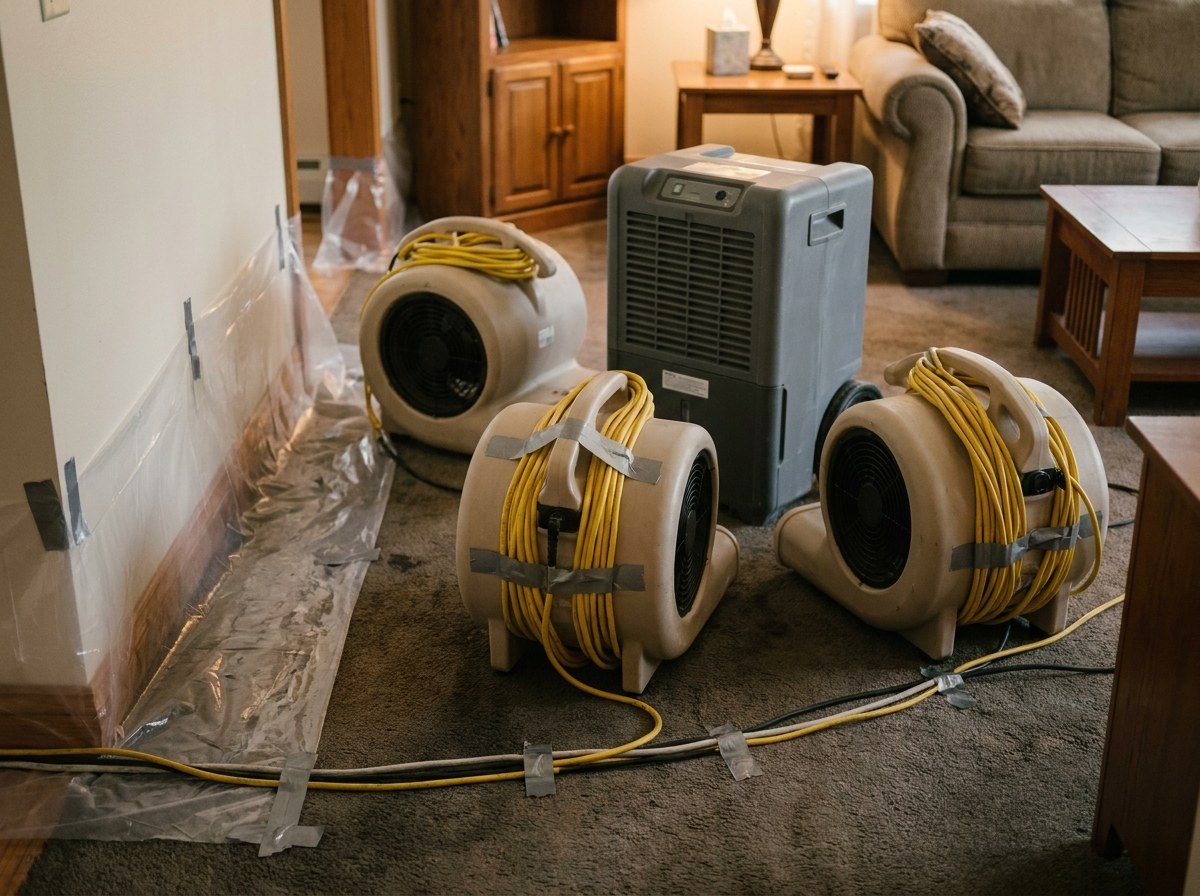
Structural Drying & Restoration
Monitored drying, dehumidification, and repair coordination once water is removed.
Learn more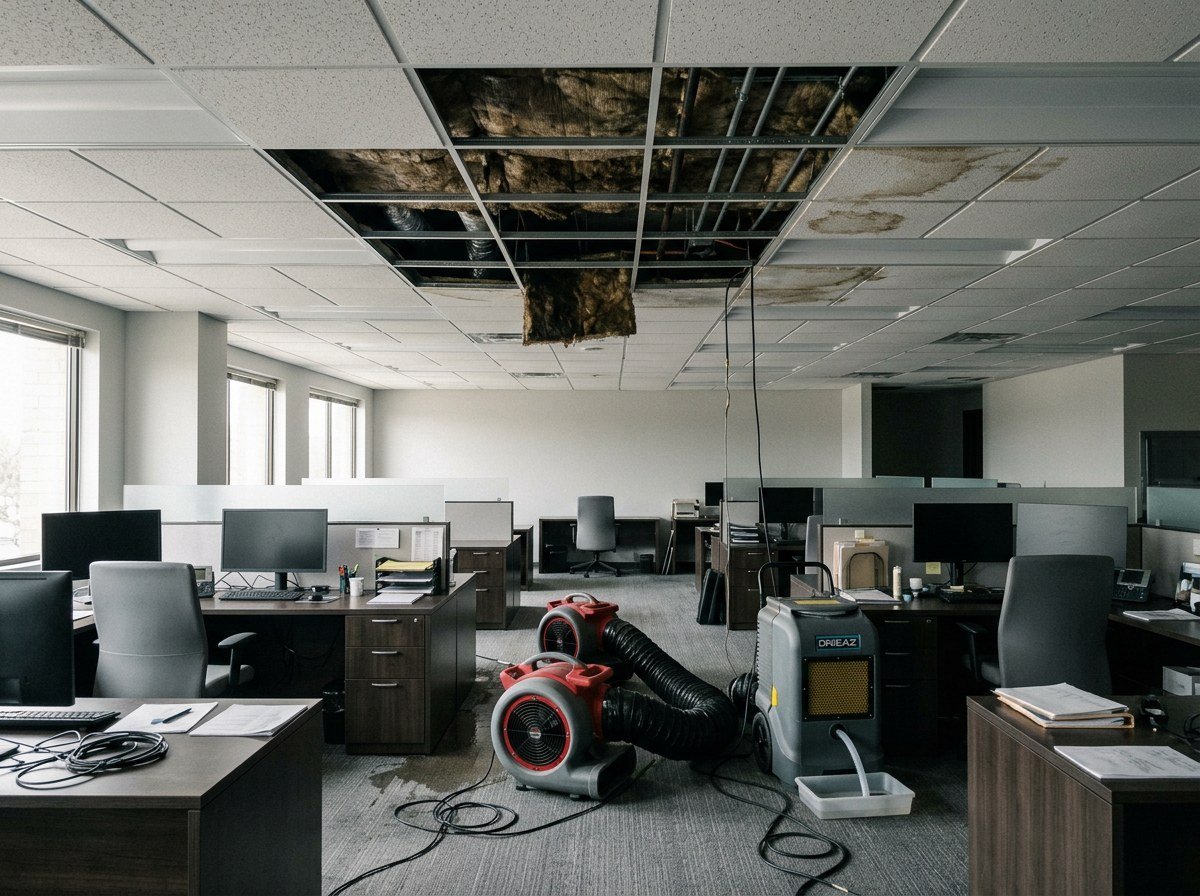
Commercial Water Damage
Response coordinated around business hours, tenants, and minimizing downtime.
Learn moreFrom Request to Response
Tell us what's happening
Use the emergency form or call directly. A few quick details about the situation, your property, and how urgent it is.
We route your request
Your request goes to a local restoration professional equipped to handle the type of water loss you're dealing with.
Assessment & extraction
A responder assesses the damage, begins water extraction, and sets up monitored drying equipment.
Drying & repair coordination
Moisture is monitored until materials reach a dry standard, with repair work coordinated from there.
What To Do While You're Waiting for Help
Shut off the water source if you can identify it, and switch off electricity to any affected area if the panel is accessible without walking through standing water.
- Move furniture, electronics, and valuables away from the water if it's safe to do so.
- Take photos and short videos of the damage before you move or discard anything.
- Note the approximate time the water damage started.
- Avoid walking through standing water if there's any chance it's near an electrical outlet or panel.
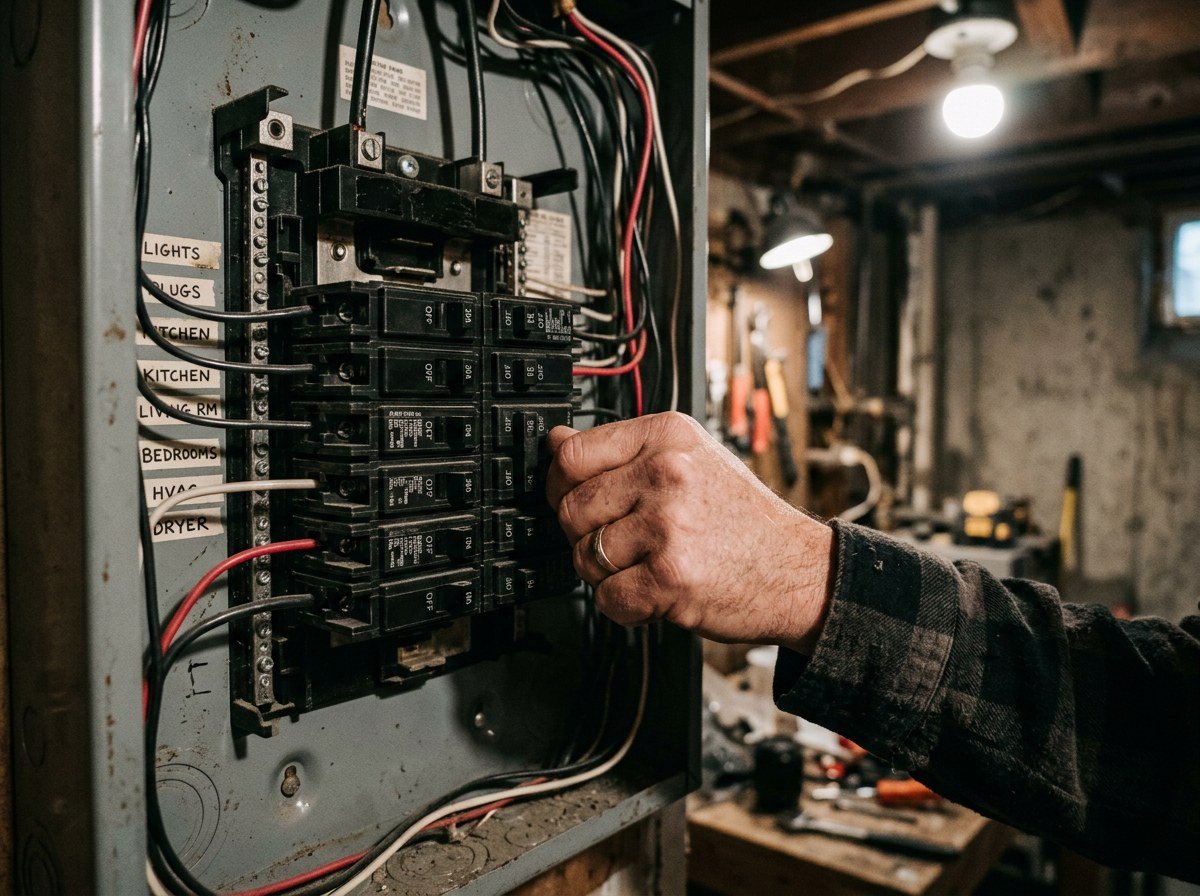
Don't use a regular household vacuum to remove standing water, don't enter a flooded basement with an energized electrical panel nearby, and don't attempt to clean sewage backup without protective equipment — contaminated water carries real health risks.
Central Indiana Coverage
Indianapolis's older neighborhoods and Hamilton County's newer subdivisions face different water damage patterns — our local content reflects that instead of treating every city the same.
Homeowners
Basement flooding, burst pipes, and appliance leaks are the most common residential calls in Marion and Hamilton County — a mix driven by aging plumbing in older neighborhoods and heavy seasonal rainfall throughout the metro.
Residential ServicesProperty Managers & Businesses
Commercial water losses come with different pressures — tenants, business hours, and documentation for multiple stakeholders. Response is coordinated with those realities in mind.
Commercial ServicesWorking With Your Insurance Company
Whether water damage is covered often comes down to cause — a sudden pipe burst is treated differently than gradual, long-term leakage or groundwater flooding under most standard homeowners policies. That distinction matters, and it's specific to your policy.
What you can control is documentation: photos before cleanup begins, a written timeline of what happened, and a clear description of the source. Good documentation gives your adjuster what they need and gives you a stronger position either way.
Insurance & Documentation Guide →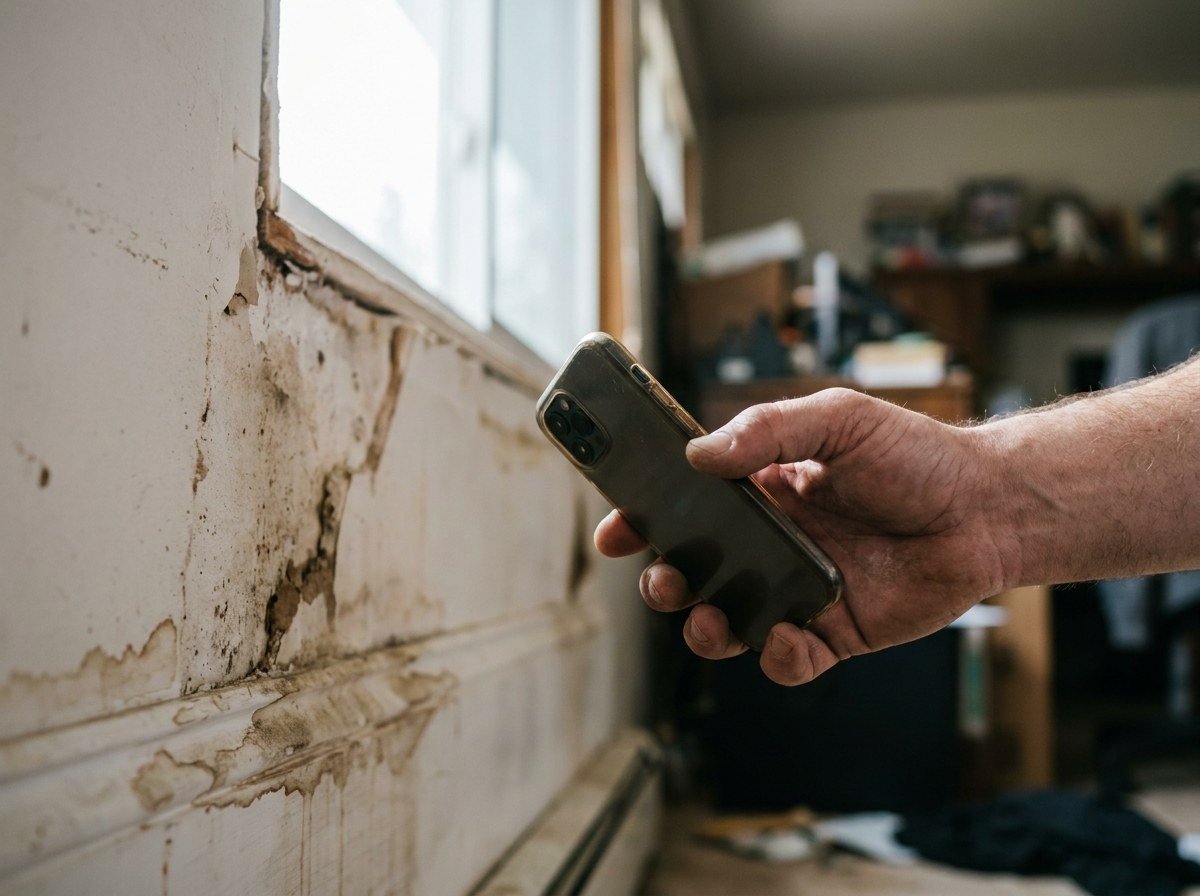
Before restoration work begins
- Photograph every affected room and item
- Note the date and suspected cause
- Keep receipts for any emergency mitigation steps you take yourself
- Ask your restoration contact what documentation they'll provide for your claim
Understand What You're Dealing With
How Long Does Water Damage Take to Dry?
What actually determines drying time, beyond "a few days."
Can Water Damage Cause Mold?
The real timeline, and why it's shorter than most people expect.
Water Damage vs. Flood Damage
A distinction that decides whether your policy pays out.
Common Questions
No. IndyWaterHelp is an independent local resource that connects property owners with restoration professionals who perform the actual extraction, drying, and repair work. We explain this in full on our lead disclosure page.
Sooner is generally better. Materials that are still saturated but haven't been sitting long are more often salvageable, while materials exposed to standing water for 48 hours or more are more likely to need replacement, especially in Indianapolis's humid summer months when mold growth accelerates.
It depends on the cause. Sudden, accidental events like a burst pipe are commonly covered under standard policies, while gradual leaks, poor maintenance, or groundwater flooding are often excluded or require separate flood coverage. Your specific policy language controls the outcome, so this isn't something we can answer generically for every situation.
Sometimes. It depends on how long the material was wet, whether the water was clean or contaminated, and how quickly drying began. A restoration professional can assess this on-site — see our guide on structural drying for more detail.
Requests are routed across Marion County and Hamilton County, including Indianapolis, Carmel, Fishers, Noblesville, Westfield, Zionsville, Greenwood, Avon, and Plainfield. See our full service area list.
Dealing with water damage right now?
Tell us what's happening and we'll route your request to a local restoration professional.