What To Do Immediately After Water Damage
A calm, ordered checklist for the first minutes after you discover water damage — before any restoration crew arrives.
If you or anyone else is in immediate danger from rising water, call 911 — this site is not an emergency response service. For non-emergency flood assistance, Indiana residents can call 211, and Fishers residents can reach the city's flood-response hotline at (317) 595-3211. Once immediate safety needs are handled, the guidance below applies to the cleanup and restoration phase that follows.
No amount of property damage is worth a shock or injury. If there's any doubt about electrical safety, stay out of the affected area and call for help rather than risk it.
1. Assess Whether It's Safe to Stay in the Area
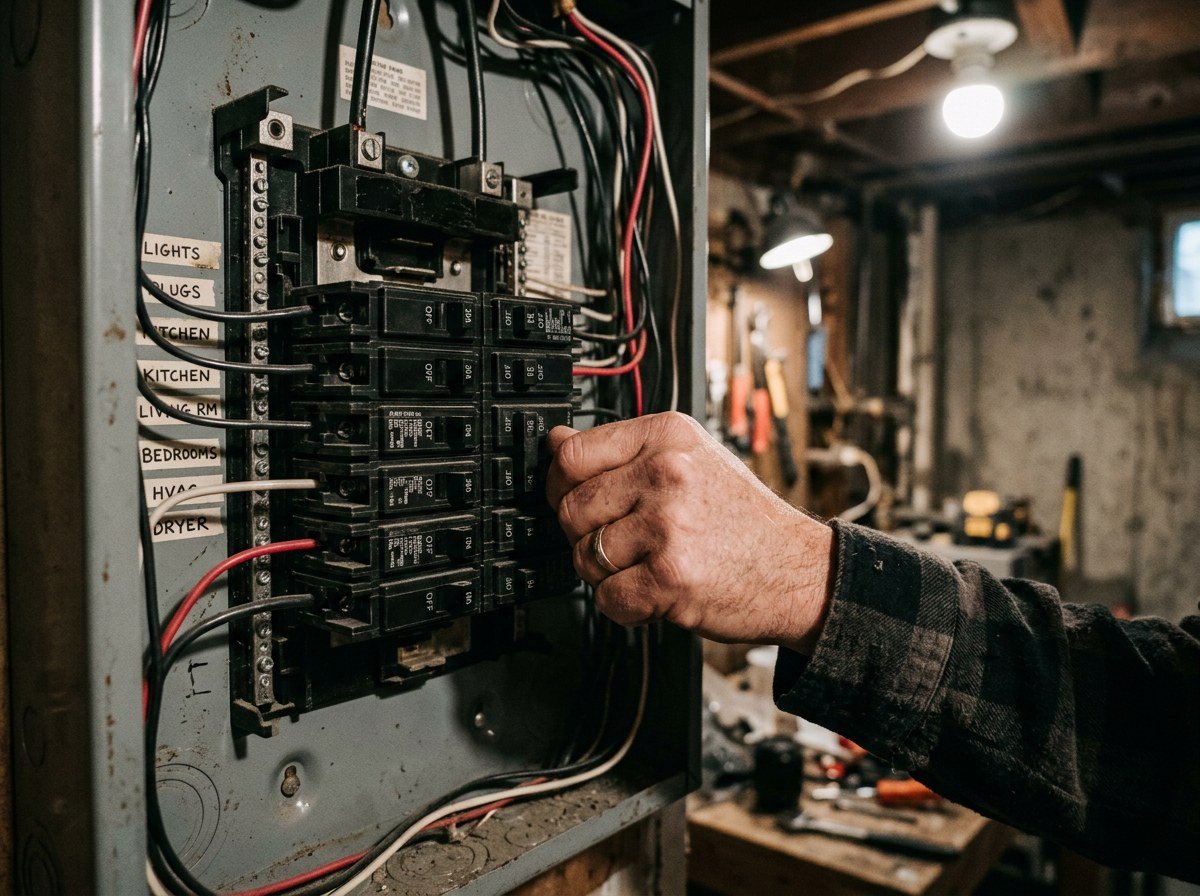
If standing water is anywhere near outlets, appliances, or an electrical panel, don't wade into it. If you can safely reach your breaker panel without walking through water, shut off power to the affected area. If you can't reach it safely, leave the area and wait for help — a licensed electrician or restoration professional can assess it properly.
2. Stop the Water Source If You Can
For a burst pipe or appliance leak, shutting off the main water valve (or the appliance's own shutoff, if accessible) stops the situation from getting worse. For basement flooding from groundwater or a sump pump failure, there often isn't a single valve to close — in that case, focus on the next steps instead.
3. Leave the Property If Conditions Warrant It
If water is rising rapidly, if you smell gas, or if structural elements (ceiling, walls) appear compromised, leave the property and call for help from a safe location. Property can be replaced; don't take chances with a structure that may be unstable.
4. Protect What You Can, Safely
- Move furniture, rugs, and electronics away from water if it's safe and you're physically able to.
- Lift items off wet flooring using blocks or foil if you can't move them entirely.
- Don't lift or move anything that's too heavy to handle safely alone.
5. Document Before You Clean Anything Up
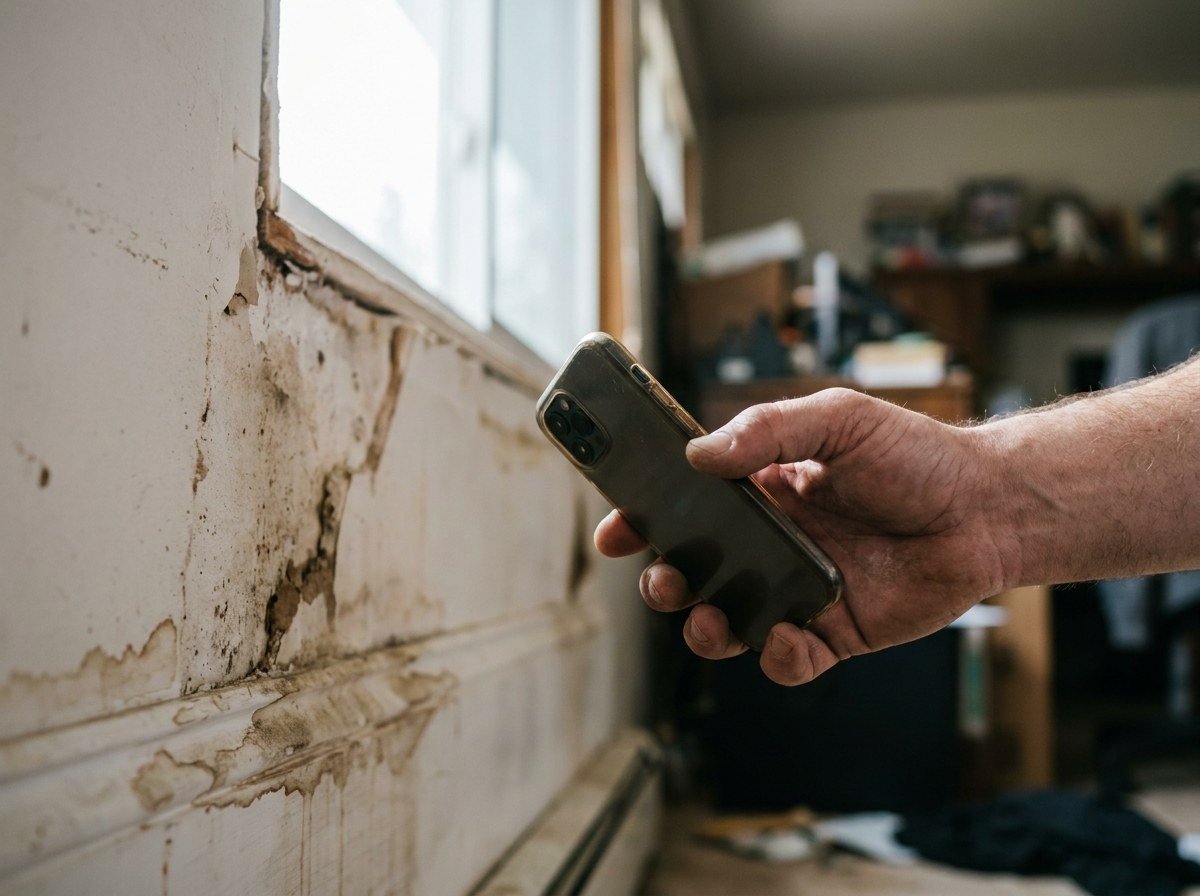
Photos and short videos of the damage — before any cleanup begins — are the single most useful thing you can do for an eventual insurance claim. Capture wide shots of each affected room plus close-ups of specific damage. Note the approximate time you discovered it and, if known, what caused it.
6. Know When It's Contaminated Water
Treat it as contaminated. Keep people and pets away from it, don't attempt to clean it up yourself, and see our dedicated sewage backup guide.
7. Get Help Routed to Your Property
Once the immediate safety steps are handled, submitting a request lets us connect you with a local restoration professional who can assess the damage and begin extraction and drying.
A Quick-Reference Checklist
| Step | Action |
|---|---|
| 1 | Confirm the area is electrically safe before entering |
| 2 | Shut off the water source if identifiable and accessible |
| 3 | Leave the property if conditions are unsafe |
| 4 | Move valuables away from water if safe to do so |
| 5 | Photograph all damage before cleanup begins |
| 6 | Treat sewage or floodwater as contaminated — don't touch it directly |
| 7 | Submit a request or call for professional response |
Once immediate safety is handled, our resource library covers drying timelines, mold risk, hidden damage signs, and insurance distinctions in more depth.