Sewage & Sewer Backup Cleanup
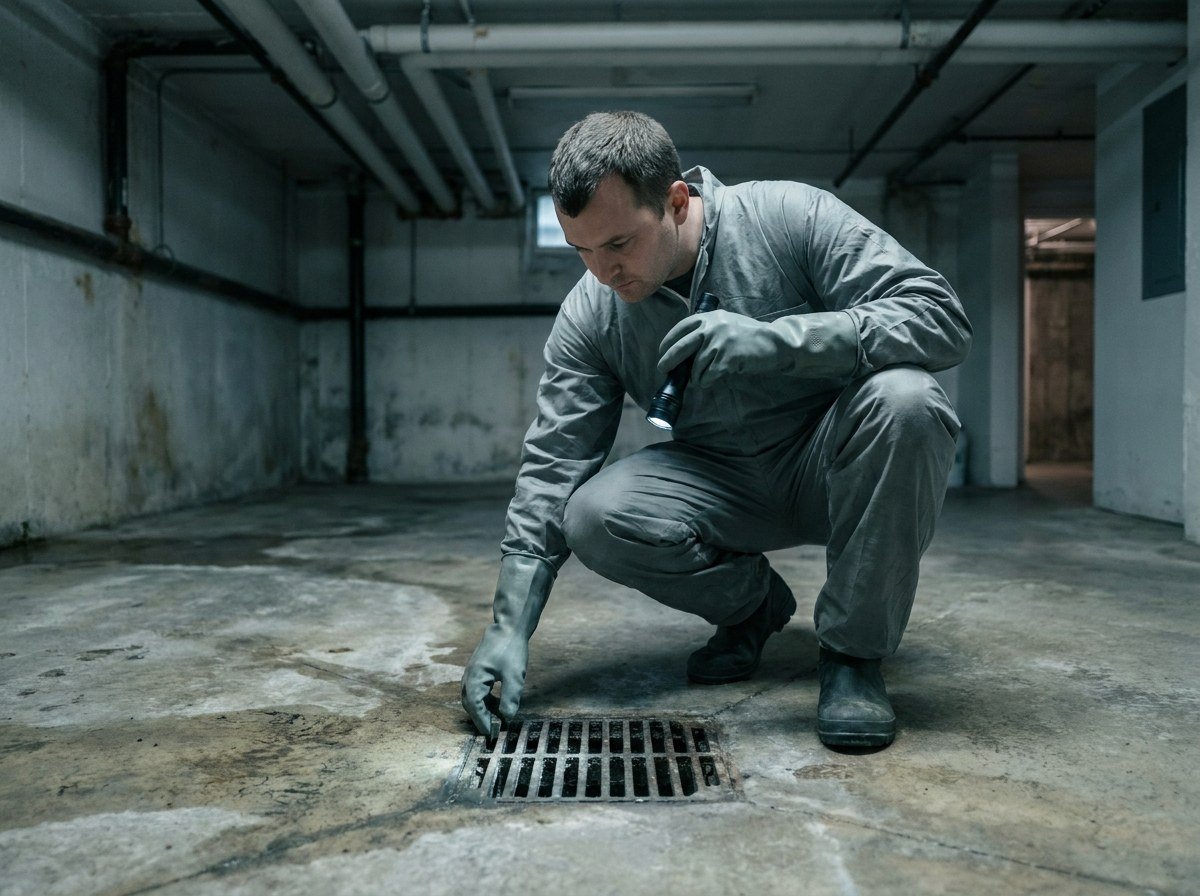
Sewage backup is categorized as "black water" — contaminated water that requires specialized handling, not standard household cleanup.
Why This Isn't a DIY Job
Sewage carries bacteria, viruses, and parasites that pose real health risks on contact, and porous materials — carpet, padding, drywall, upholstery — that come into contact with it typically can't be sanitized enough to save. Restoration for a sewage backup usually means safe removal of contaminated materials, thorough disinfection of surfaces that can be saved, and air quality monitoring before the space is considered safe to fully re-occupy.
Common Causes Around Indianapolis
Two patterns show up most often locally. First, tree root intrusion into aging clay or cast-iron sewer laterals — common in Indianapolis's older neighborhoods where original sewer lines are decades old and tree cover is mature. Second, combined sewer overflow during heavy rain in parts of inner Indianapolis, where stormwater and sewage share the same pipe system and can back up through floor drains when the system is overwhelmed. If your basement flooding smells like sewage or shows dark, cloudy water rather than clear rainwater, treat it as contaminated water from the start.
What To Do Before Help Arrives
- Keep people and pets out of the affected area entirely.
- Don't attempt to clean it up yourself without protective gloves, boots, and eye protection at minimum.
- Avoid using sinks, toilets, or washing machines connected to the same line until the backup is resolved — using them can push more sewage back into the space.
- Photograph the damage from a safe distance for documentation before anything is disturbed.
If sewage has contacted any open wounds, or if you experience nausea, respiratory irritation, or other symptoms after exposure, seek medical attention. This is a genuine health hazard, not just a cleanup inconvenience.
Frequently Asked Questions
Standard homeowners policies commonly exclude sewer backup unless you've added a specific endorsement for it. This is worth checking on your policy before you need it, and it's a documentation point to raise with your restoration contact either way. See our insurance guide.
Generally no — porous materials that absorb contaminated water are typically removed and replaced rather than cleaned, since full sanitation isn't reliably achievable once sewage has soaked in. Hard, non-porous surfaces can often be disinfected and kept.
Yes — the same moisture and warmth that create conditions for mold apply regardless of water source, and porous materials exposed to sewage are removed partly for that reason. See our guide on how quickly mold can develop after water damage.
Sewage backup right now?
Keep the area clear and get a response routed to you.