How to File a Water Damage Insurance Claim: Step by Step
A clear, sequential walkthrough of the claims process — what to do, in what order, and what to expect from your insurer.
Filing a water damage claim follows a fairly consistent process across most insurers, even though outcomes vary based on your specific policy and the cause of loss. Knowing the sequence in advance makes it easier to stay organized when you're dealing with an actual emergency.
Step 1: Stop Further Damage and Document First
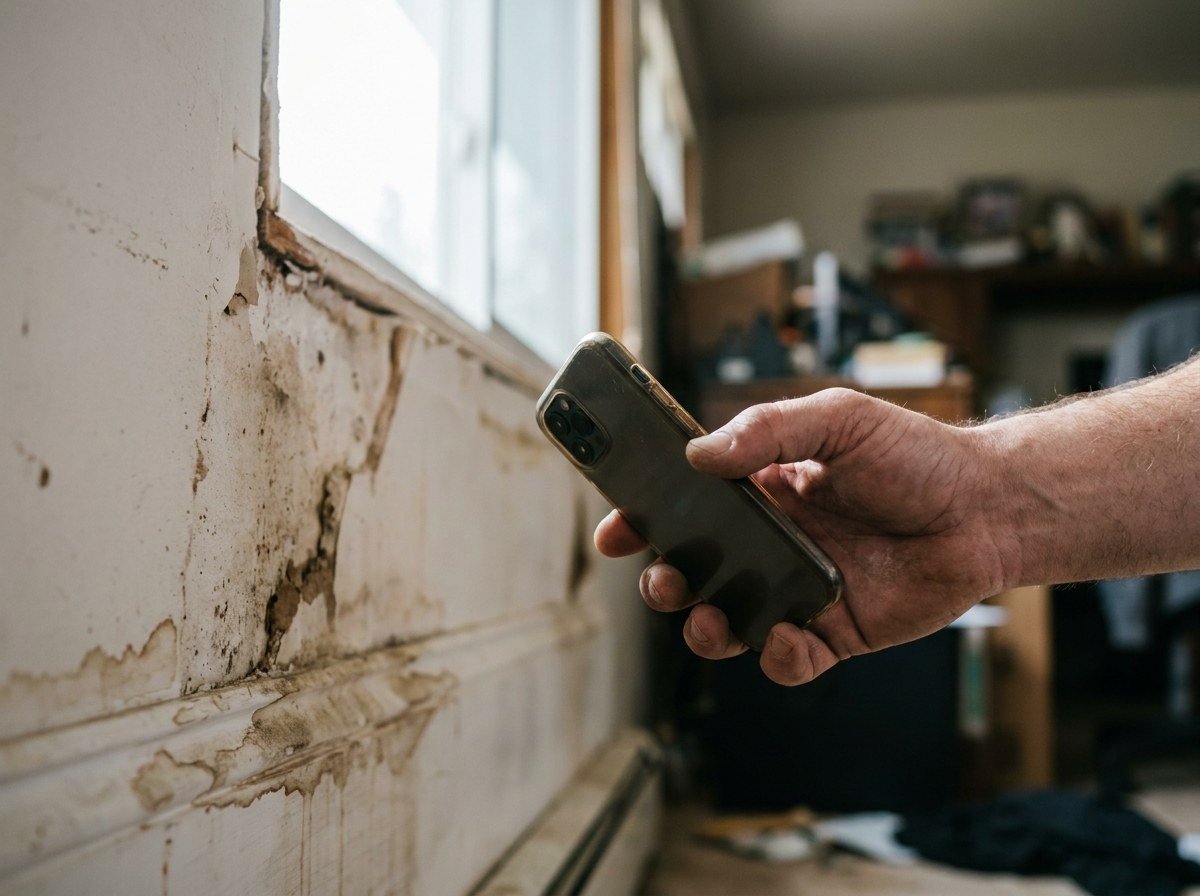
Before cleanup begins, photograph and video every affected area — this is your only record of the "before" state. See our insurance and documentation guide for a full checklist of what to capture.
Step 2: Contact Your Insurer Promptly
Most policies require "prompt" notice, though the exact timeframe varies. Call your insurer's claims line or your agent as soon as reasonably possible, even before all cleanup is complete, and get a claim number.
Step 3: Ask About Emergency Mitigation Coverage
Many policies cover reasonable emergency mitigation steps taken to prevent further damage, even before an adjuster inspects the property. Ask specifically whether you're authorized to begin extraction and drying before the inspection, and keep receipts for anything you pay for yourself.
Step 4: The Adjuster Inspection
An adjuster will typically inspect the property to assess damage and determine coverage. Be present if possible, point out everything affected (including things that may not be obvious), and ask questions about anything you don't understand in their assessment.
Step 5: Get an Independent Restoration Estimate
You generally have the right to choose your own restoration contractor rather than being limited to an insurer's preferred vendor list. An independent estimate gives you a comparison point against whatever the adjuster's assessment produces.
Step 6: Review the Settlement Offer
Compare the settlement against your actual documented damage and restoration estimates. If there's a significant gap, you can typically request a re-inspection or provide additional documentation before accepting.
Note every call, every person you spoke with, and what was discussed. This becomes valuable if there's ever a dispute about what was said or promised.
Frequently Asked Questions
This varies significantly by insurer, claim complexity, and how quickly documentation is provided — anywhere from a couple weeks for straightforward claims to considerably longer for larger or disputed ones.
Often yes for emergency mitigation specifically, since delaying can make damage worse — but confirm this with your insurer first and document everything thoroughly, since undocumented pre-inspection work can complicate a claim.
Starting a claim and need restoration work documented properly?
Get a professional response that documents as it goes.