Ice Maker Line Leaks: A Common Hidden Culprit
Small line, small leak, big problem if it goes unnoticed for long enough — a closer look at one of the more overlooked appliance failures.
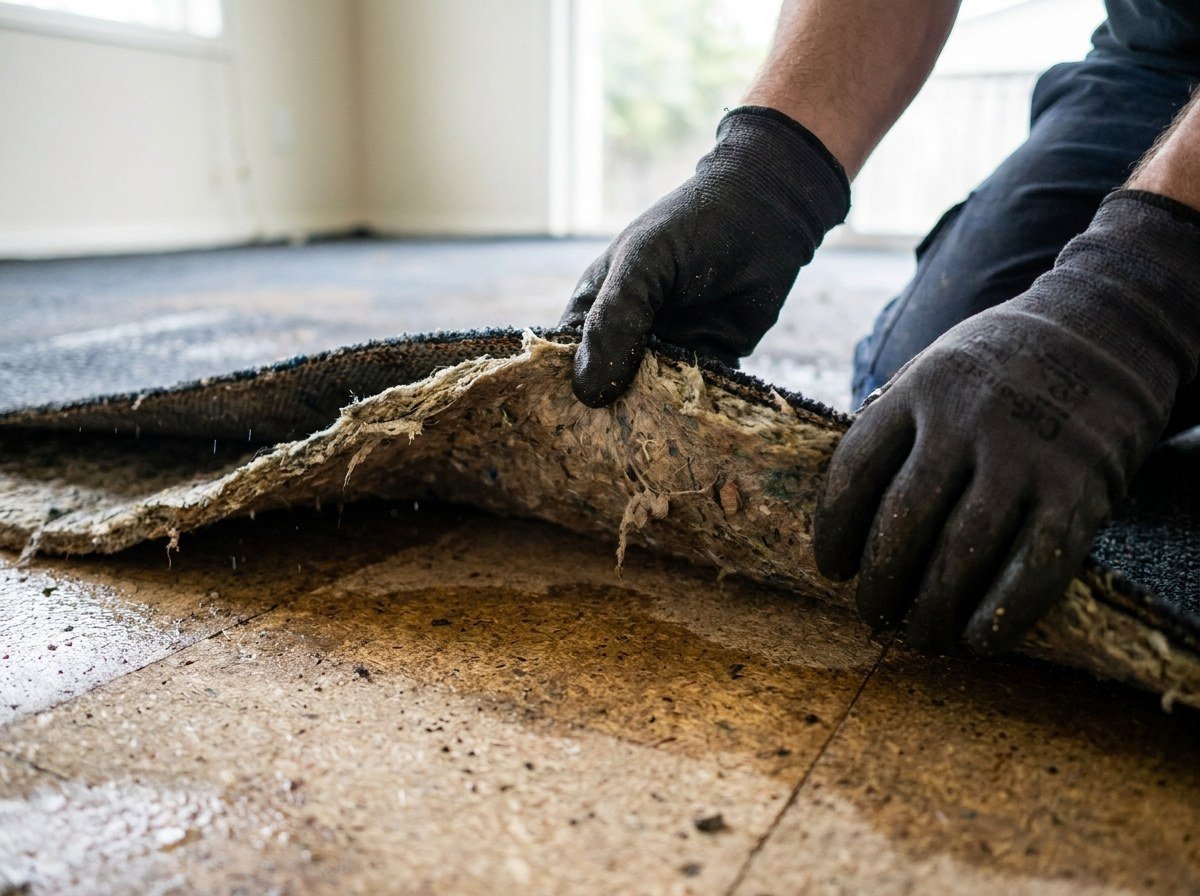
Standalone ice makers and refrigerator ice makers alike run on a small supply line — often thinner and more prone to failure than the main appliance water lines discussed elsewhere. Because ice makers are often tucked into cabinetry, wet bars, or garages, a leak here can run for a surprisingly long time before it's noticed.
Why These Leaks Are Easy to Miss
Unlike a dishwasher or washing machine, an ice maker doesn't have an obvious "wash cycle" moment where you'd catch a leak in progress. The line runs continuously under pressure, and a small crack or loose fitting can drip slowly and consistently without anyone noticing until cabinetry or flooring shows visible damage.
Where to Check
- Directly beneath and behind the unit, including inside any cabinetry it's built into.
- The supply line connection point, often at a nearby sink's shutoff valve or a dedicated saddle valve.
- Flooring extending outward from the unit, particularly if it sits on a wood subfloor rather than tile or concrete.
What to Do If You Find One
Shut off the water supply at the connection point rather than just at the unit, since the leak may be in the line itself rather than the appliance. If cabinetry or flooring feels soft, damp, or shows staining, that material has likely been absorbing moisture for a while and should be checked by someone who can assess how far it's traveled.
Frequently Asked Questions
Periodically inspect the visible portion of the line for kinks or brittleness, and consider upgrading from plastic tubing to braided stainless steel, which is significantly more failure-resistant over time.
Found a slow leak behind an ice maker or wet bar unit?
Get an assessment of how far the moisture has actually traveled.