Sump Pump Maintenance: A Seasonal Checklist
A sump pump that hasn't been checked in a year is a common cause of a basement that floods when it 'never has before.'
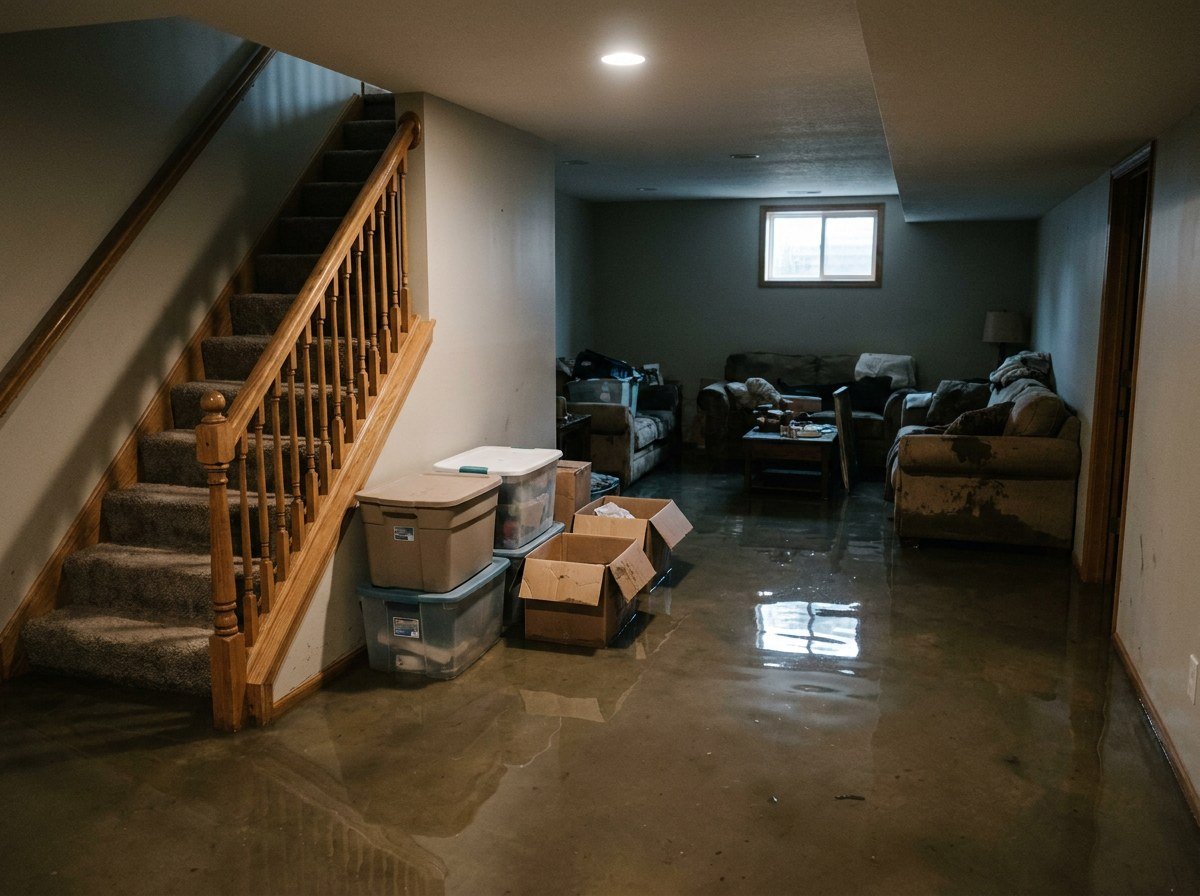
A sump pump that's been quietly sitting for months is one of the most common points of failure in a basement flood — not because the pump itself is bad, but because something small went unnoticed: a stuck float switch, a clogged inlet screen, or a battery backup that quietly died months ago.
Twice-a-Year Checklist
- Test it manually. Pour a bucket of water into the pit and confirm the pump activates, moves water out, and shuts off properly.
- Check the float switch. Make sure it moves freely and isn't caught against the side of the pit or debris.
- Clean the pit and inlet screen. Sediment and debris buildup is a common cause of reduced pump performance over time.
- Inspect the discharge line. Confirm it's directing water well away from the foundation and isn't frozen or blocked outside.
- Test the battery backup, if you have one. Batteries degrade over a few years even if never used, and this is the single most common reason a backup system fails right when it's needed.
Why the Backup Battery Matters So Much
The most common sump pump failure pattern in Central Indiana isn't the pump breaking — it's a power outage during the exact storm that's pushing the most water into the pit. A primary pump with no working battery backup is essentially a single point of failure for the whole system during the events that matter most.
Signs Your Pump May Need Replacement, Not Just Maintenance
- It runs constantly even without significant rainfall, suggesting it's struggling to keep up.
- It makes grinding or rattling noises during operation.
- It's more than 7-10 years old — the typical service life for most residential units.
Frequently Asked Questions
Twice a year is a reasonable minimum — once in early spring before heavy rain season and once in fall before winter. If your basement has flooded before, more frequent checks are worth the small time investment.
Sump pump already failed and basement flooded?
See our full basement flood cleanup guide, or get help routed now.