Washing Machine Overflow: What to Do Immediately
A washing machine overflow is usually a fast-moving, high-volume event — here's how to respond in the first few minutes.
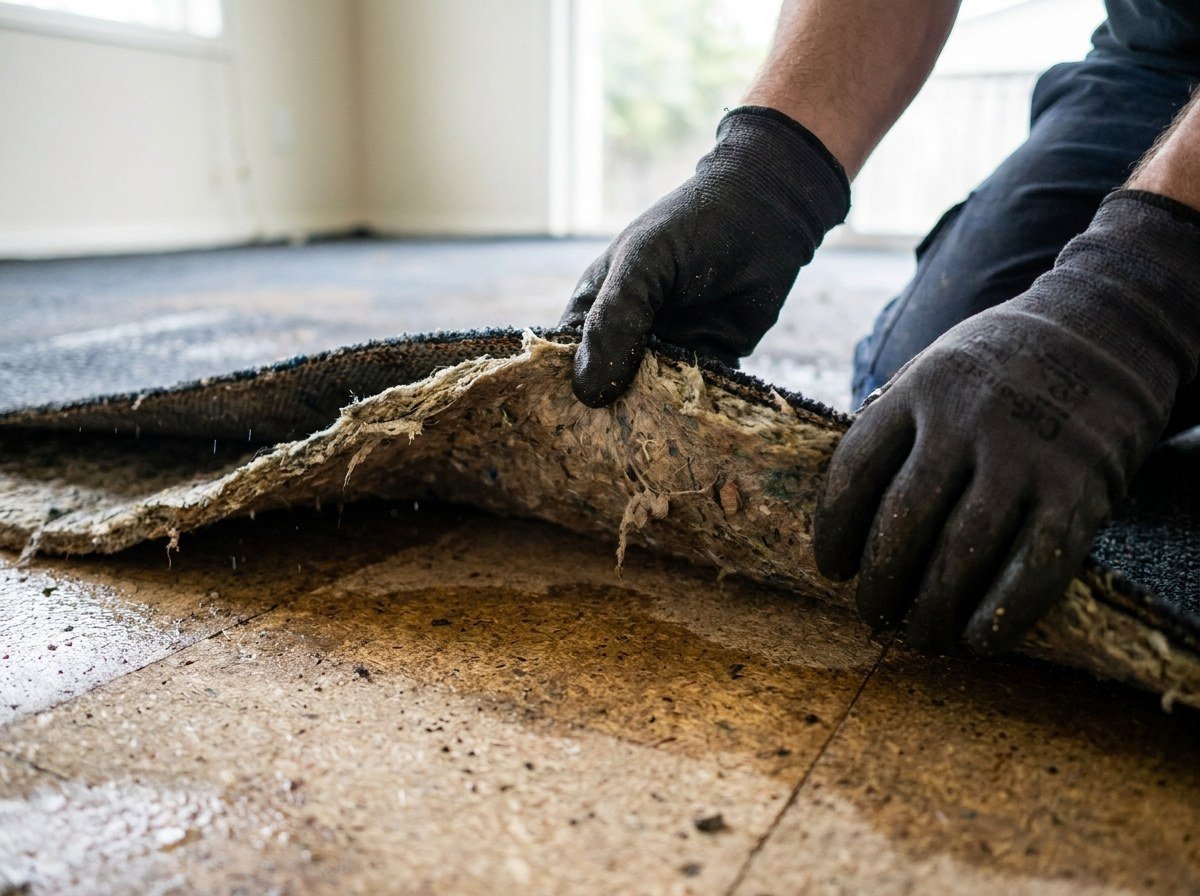
Two things typically cause a washing machine overflow: a supply hose failure (usually the rubber hose bursting under constant water pressure) or the machine itself overfilling due to a stuck valve. Either way, the volume of water involved is usually more than people expect — a burst supply hose under full household pressure can release several gallons a minute.
First Steps
- Shut off the water supply valves behind the machine — most washers have two, one for hot and one for cold.
- If you can't reach the valves without stepping in water near an outlet, shut off power to that circuit first.
- Unplug the machine once it's safe to do so.
- Start moving water off hard flooring toward a drain if you have one, and begin extracting standing water from carpet or padding as soon as possible.
Why Laundry Rooms Are a Common Repeat Offender
Rubber supply hoses degrade over time under constant pressure, which is why manufacturers generally recommend replacing them every five years, or switching to braided stainless steel hoses that resist bursting far longer. If your laundry room is on an upper floor, an overflow can also mean water traveling into the ceiling and walls below — worth checking even if the laundry room floor itself looks fine.
What to Check Before You Call It Done
Standing water on hard flooring is the easy part. The bigger question is what's underneath: subflooring beneath vinyl or laminate, or padding beneath carpet, can hold moisture long after the surface looks dry. If the laundry area sits above a finished space, check the ceiling below for staining over the next few days.
Frequently Asked Questions
A burst supply hose under full pressure can release several gallons per minute, which adds up fast if it happens while you're not in the room — a common scenario since washers often run unattended.
Generally yes. Both hoses are usually the same age and have seen the same wear, so if one failed, the other is a similar risk. Braided stainless steel replacements are a common upgrade at that point.
Washing machine flooded your laundry room or the space below it?
Get a local responder to assess how far the water actually traveled.