Water Damage and Pets: Safe Steps During Cleanup
Keep pets out of standing or contaminated water, wet electrical areas, and rooms with drying equipment until a qualified person confirms the space is safe.
Published August 25, 2026 · Updated October 6, 2026 · General education for Indianapolis-area property owners
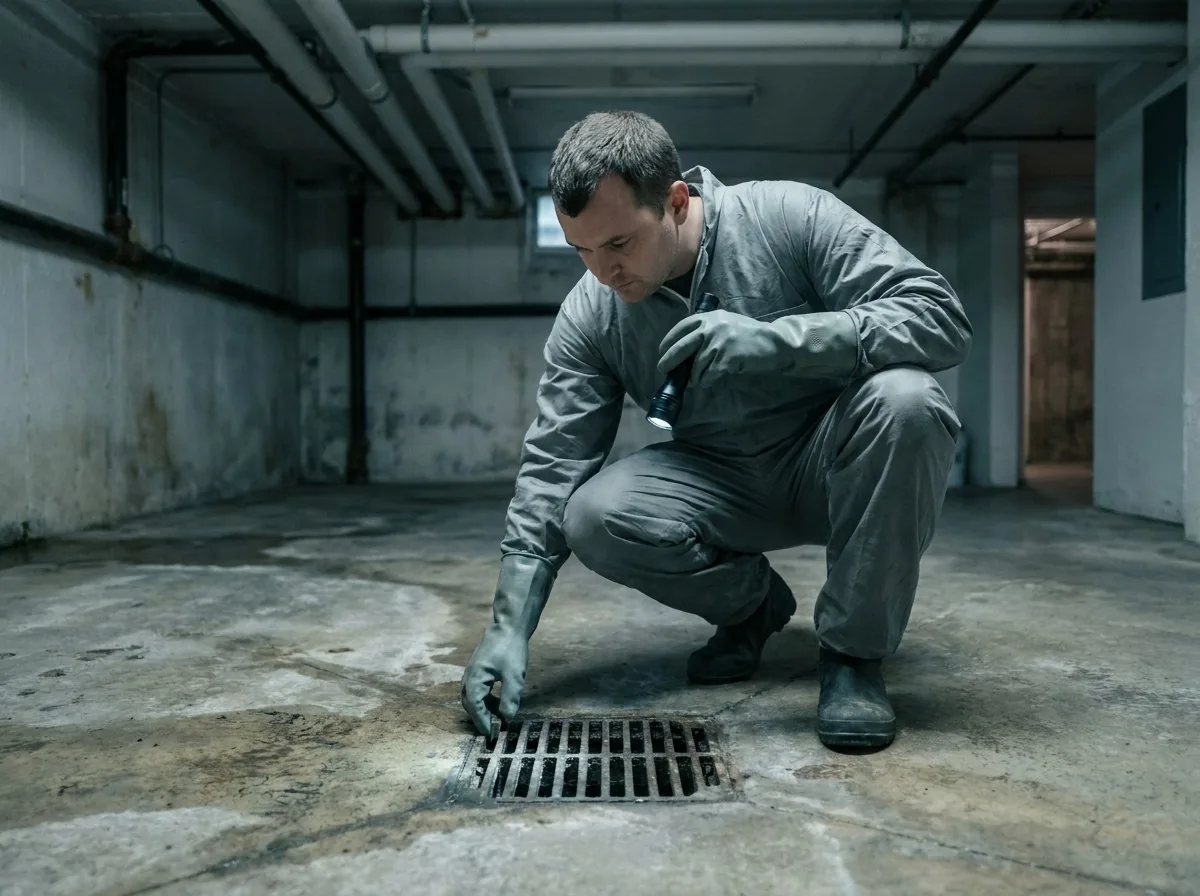
Keep pets out of standing or contaminated water, wet electrical areas, and rooms with drying equipment until a qualified person confirms the space is safe.
Why this problem is easy to underestimate
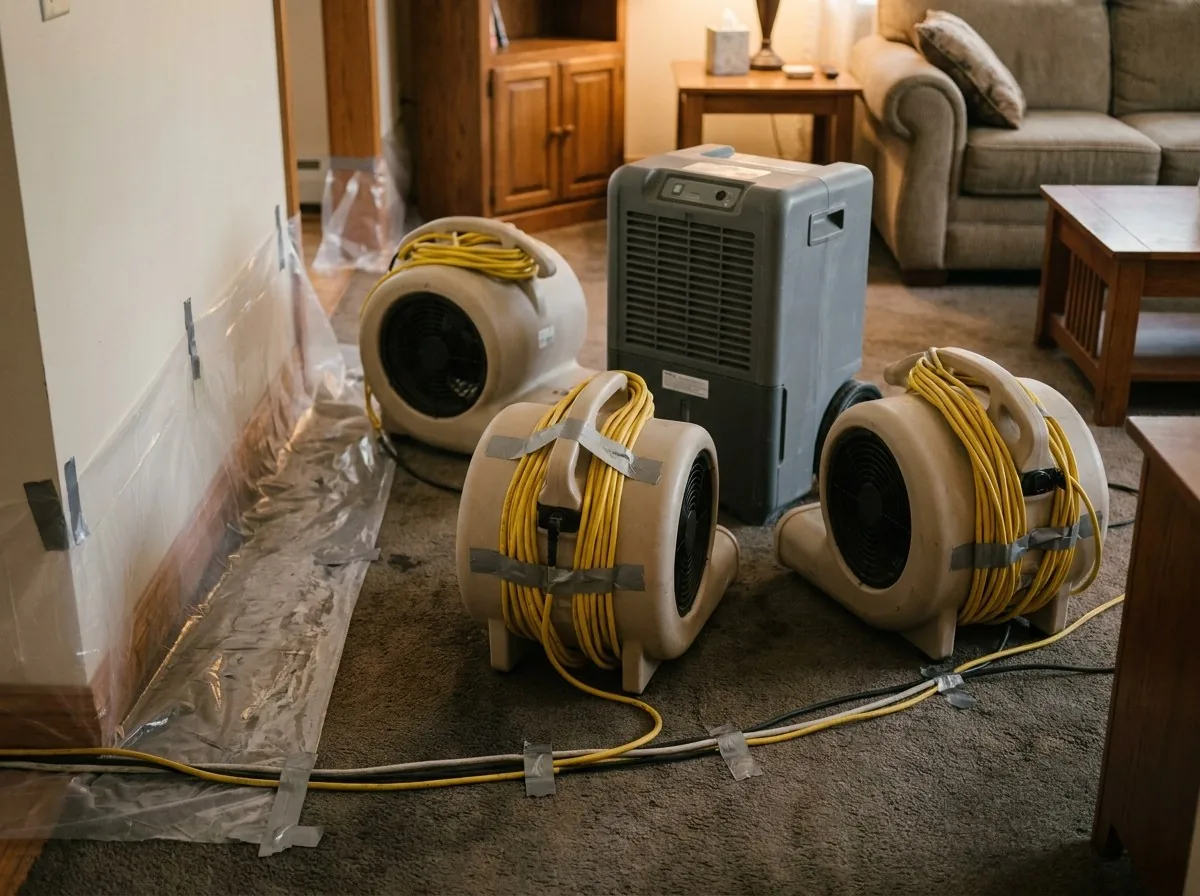
Pets can walk through contaminated water, chew cords, or become stressed by equipment. Create a separate dry area before cleanup begins.
Water quality, electrical hazards, sharp debris, and noise all matter during a response.
What to check first
- Whether water may contain sewage or chemicals.
- Electrical equipment and extension cords.
- Rooms with fans, dehumidifiers, or demolition.
What to do next
Move pets to a dry, safe room or off-site location.
Do not let pets drink or play in standing water.
Keep food and medications away from the wet area.
Tell the responder about pets and access needs.
When a professional assessment makes sense
Ask when the space can be safely used again.
Children, pets, and vulnerable occupants should not take part in contaminated cleanup.
Frequently Asked Questions
It is still safer to keep them out of active work areas and wet flooring.
Clean paws and contact a veterinarian if exposure or symptoms concern you.
It depends on the equipment, odor, containment, and room safety.
Independent guidance
This page is general education, not insurance, legal, electrical, or medical advice. For safety and moisture-control background, see EPA mold and moisture guidance, EPA flood cleanup guidance, and CDC floodwater safety guidance.
Water is already affecting the property?
Use the emergency guide or call so the situation can be assessed before a small loss becomes a larger repair.