Water Damage Categories Explained: Clean, Gray, and Black Water
Restoration professionals classify water by contamination level, not just source — and it changes everything about how a job is handled.
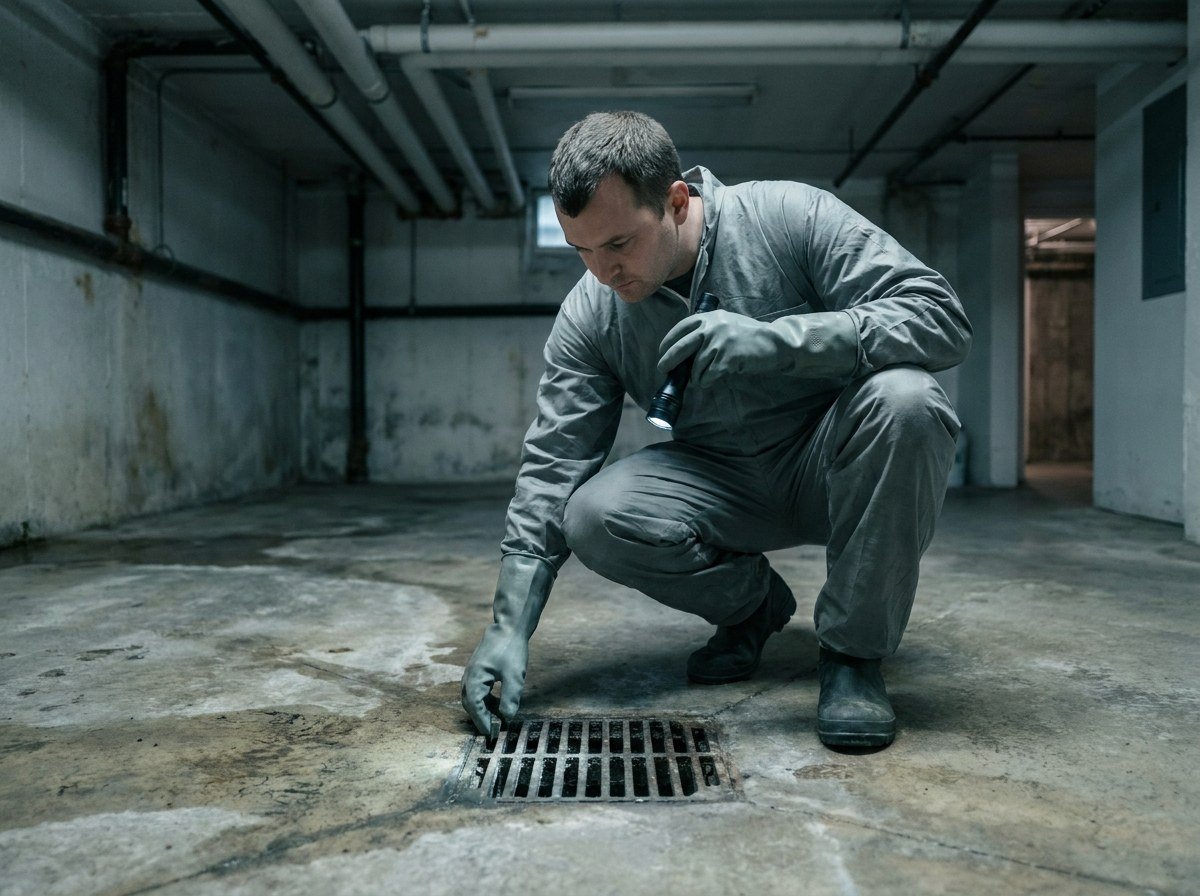
Restoration professionals sort water damage into three categories based on contamination level, following industry-standard classification used across the field. Understanding which category applies to your situation explains a lot about why one leak gets treated very differently from another that looks similar on the surface.
Category 1: Clean Water
Water from a sanitary source with no contamination risk — a supply line break, a malfunctioning appliance fill valve, or rainwater entering through a roof leak. This category poses the lowest health risk and generally allows the most materials to be dried in place rather than replaced, provided extraction happens quickly.
Category 2: Gray Water
Water that contains a significant degree of contamination and could cause discomfort or illness if consumed — think dishwasher or washing machine discharge, or a toilet overflow with urine but no solid waste. This category requires more careful handling than clean water and often means more materials need replacement rather than drying, particularly porous ones.
Category 3: Black Water
Grossly contaminated water containing pathogens — sewage backup, water from outside that's picked up ground contaminants (like floodwater), or water that's been standing long enough to grow bacteria. This category requires the most stringent handling: protective equipment, disposal of affected porous materials rather than attempting to dry or clean them, and thorough disinfection of anything salvageable.
Category 1 clean water that sits for more than 24-48 hours can degrade into Category 2 as it picks up contaminants from building materials, which is another reason speed matters beyond just preventing structural damage. See our guide on how drying time works.
Why This Classification Matters to You
The category determines what protective equipment is used, what can realistically be saved versus needs to be discarded, and how thorough the disinfection process needs to be. It's a useful thing to understand when a restoration professional explains your specific job and why certain materials are being treated the way they are.
Frequently Asked Questions
Source matters most: a clean supply line break is Category 1, appliance discharge or an ambiguous fixture overflow is often Category 2, and anything involving sewage or outside floodwater is Category 3. When in doubt, treat it more cautiously rather than less.
Not sure what category your water damage falls into?
A professional assessment will classify it correctly and handle it accordingly.