Compare the work included in each estimate before comparing the total. Ask which rooms and materials were inspected, what equipment and monitoring are included, whether demolition and rebuilding are separate, and how extra work is approved. A restoration estimate is a proposed scope, not an insurer’s coverage decision.
Separate emergency authorization from the repair estimate
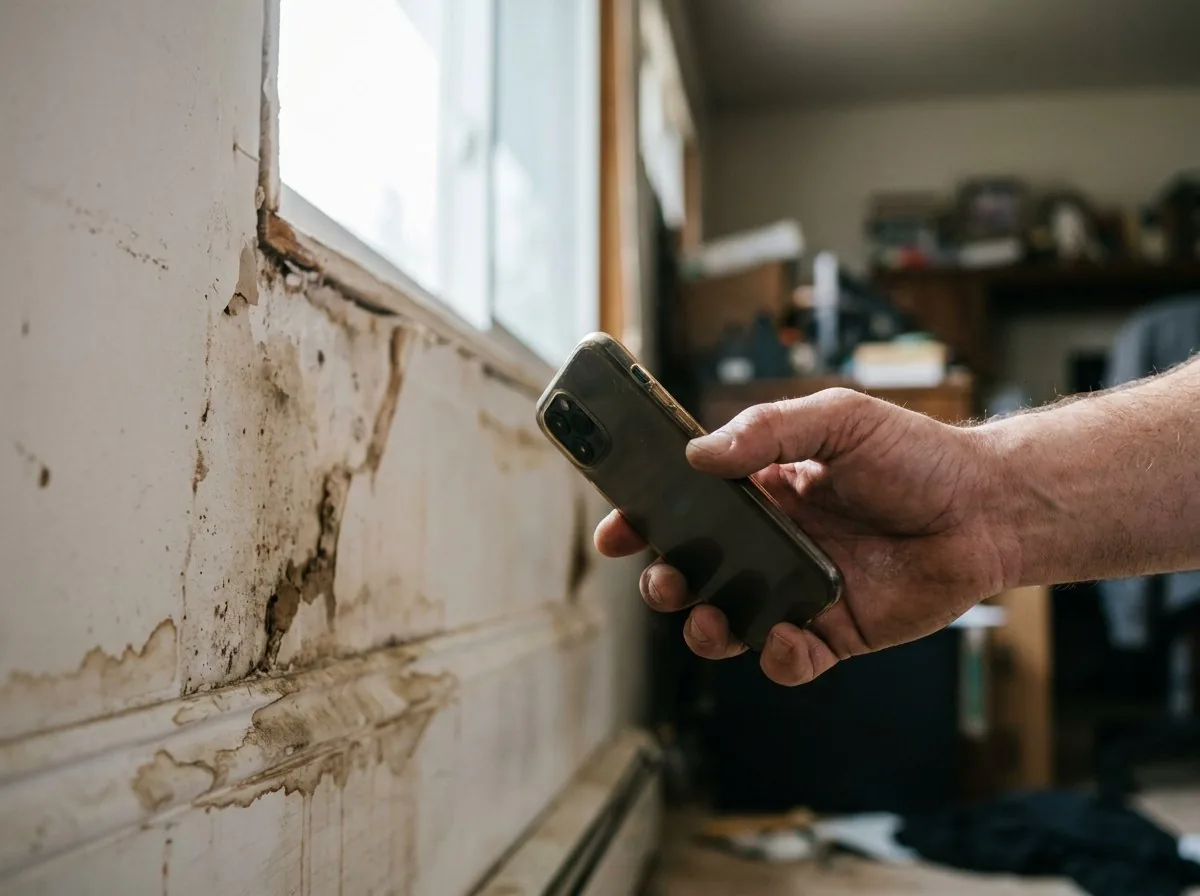
When water is still spreading, the first agreement may cover extraction, protective measures, or an initial assessment. Rebuilding may come later. Ask the provider to identify the work you are authorizing now and what requires another decision. You should be able to point to the rooms, tasks, and charge basis in the paperwork.
The Indiana Attorney General’s contractor guidance recommends written bids and detailed contracts that identify the work, price, payment schedule, and contractor contact information. Ask your local building department about requirements for the actual work. A restoration credential and permission to perform regulated trade work are different things.
What belongs in a useful water damage scope?
The estimate should connect proposed work to observed damage. “Water cleanup” alone tells you little. Ask for a room-by-room description showing what is being extracted, dried, removed, cleaned, or repaired, with quantities where they are used to calculate charges.
| Line or section | Question to ask |
|---|---|
| Assessment | Which rooms and concealed areas were checked, and what remains uncertain? |
| Extraction | Which surfaces and contents are included? |
| Equipment | Which units, how many, and how are equipment days billed? |
| Monitoring | Are repeat visits and moisture records included? |
| Removal | Which materials are proposed for removal and why? |
| Contents | Is moving, storage, cleaning, and return of belongings included? |
| Reconstruction | Are drywall, paint, flooring, and trim part of this agreement? |
| Exclusions | Are plumbing, electrical work, permits, disposal, and other trades separate? |
Equipment days need a monitoring plan
Ask whether the proposed duration is an estimate or a fixed charge, how extensions are approved, and how the provider decides equipment can be removed. Request an explanation of the readings that will be recorded and who receives them. “Three fans for three days” is a billing description; it is not a drying completion record.
If another estimate includes fewer machines, ask why. The providers may be assessing different rooms or using different methods. Do not assume that more equipment means better work, or that fewer units mean the scope is adequate. Our structural drying guide explains why inspection and monitored drying belong together.
Ask what can change after work starts
Hidden damage may become clearer after access is opened. Before authorization, ask how the provider will report findings, document the change, price additional tasks, and obtain approval. Identify who can approve changes if you are a tenant, property manager, or representative rather than the owner.
Keep a written record of changes. If you receive a phone update, ask for the revised scope by email before treating it as the new agreement. For immediate safety work, clarify the provider’s emergency authorization terms rather than assuming an informal conversation settled every charge.
Do not compare totals from different scopes
Suppose one proposal includes extracting the living room and daily monitoring, while another also includes removing wet insulation and replacing drywall. This is an illustrative comparison, not a local price example. Ask both providers to identify which work is optional, required by their assessment, or deferred. Put the scopes beside each other before choosing by total alone.
Ask for a named contact, written warranty terms where offered, insurance information, and any credentials being claimed. Verify those claims with the issuing body or appropriate local authority. An advertisement or referral does not replace your own review of the agreement.
Keep the estimate and insurance decision separate
Your provider proposes the work. Your insurer interprets the policy and claim facts. Ask the insurer which photos, source-repair notes, estimates, and drying records are needed. Do not treat “we work with insurance” as approval of the claim, the full invoice, or the deductible.
Keep copies of signed agreements, revised scopes, invoices, equipment records, and communications in one folder. Our insurance documentation guide helps organize that record; our restoration cost guide explains factors that can change the work required.
If you still need an assessment, request a local restoration referral. Ask the responding provider about availability, inspection charges, and written scope before authorizing work.
Sources and editorial limits
This guide combines the cited guidance with practical questions and record templates. It is not a site inspection, a contractor credential claim, or a determination of coverage or legal responsibility. IndyWaterHelp is an independent information and referral resource.