Winterizing Pipes in Indiana: A Homeowner's Checklist
Indiana's freeze-thaw winters are the leading cause of burst pipes in the region — a handful of steps meaningfully reduce that risk.
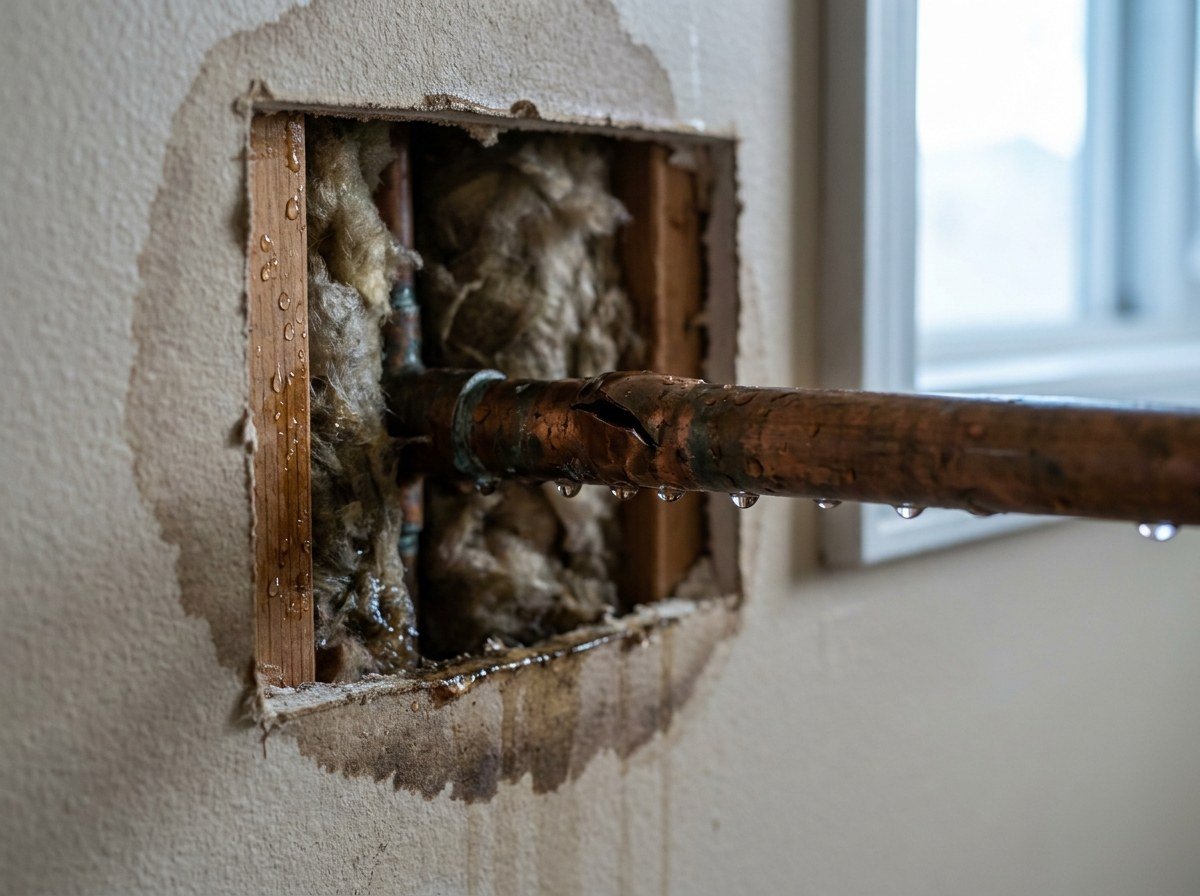
Pipes freeze when temperatures drop low enough for long enough, and the risk is highest for lines that run through unheated or poorly insulated spaces — attics, crawl spaces, garages, and exterior walls. In Indiana, the real danger isn't usually a single hard freeze; it's a stretch of consistently cold days combined with wind that pulls heat out of marginally insulated spaces faster than expected.
Before the First Hard Freeze
- Disconnect and drain garden hoses, and shut off any interior valve feeding exterior spigots if your home has one.
- Insulate exposed pipes in crawl spaces, attics, and garages with foam pipe sleeves — inexpensive and widely available.
- Seal drafts near where pipes run through exterior walls, since cold air infiltration is often the real driver of a freeze, not just outdoor temperature.
- Locate your main water shutoff valve now, before you need it in an emergency at 2 a.m.
During Extended Cold Snaps
- Keep cabinet doors open under sinks on exterior walls to let warm room air reach the pipes.
- Let faucets fed by exposed or vulnerable lines drip slightly — moving water is much less likely to freeze than standing water.
- Keep the thermostat at a consistent temperature, even overnight or while away, rather than letting the house get too cold to save on heating.
If You'll Be Away
Never turn the heat off entirely in winter, even for a short trip. If you'll be gone for an extended period, consider having someone check the house periodically, or see our vacation shutoff checklist for a more complete approach.
Frequently Asked Questions
Most plumbers recommend not going below 55°F, even in unoccupied spaces, to keep interior wall cavities warm enough to prevent freezing.
Often, yes — older homes are more likely to have less insulation around plumbing runs and more drafty wall cavities, which is part of why burst pipes are common in Indianapolis's older neighborhoods specifically.
Pipe already burst despite your best efforts?
See our full burst pipe guide, or get help routed to your property now.