Water-Damaged Hardwood Floors: When Drying Can Save Them
Hardwood can sometimes be dried and stabilized, but speed, water source, installation method, finish, and the amount of movement all matter. A quick replacement decision can be just as costly as waiting too long.
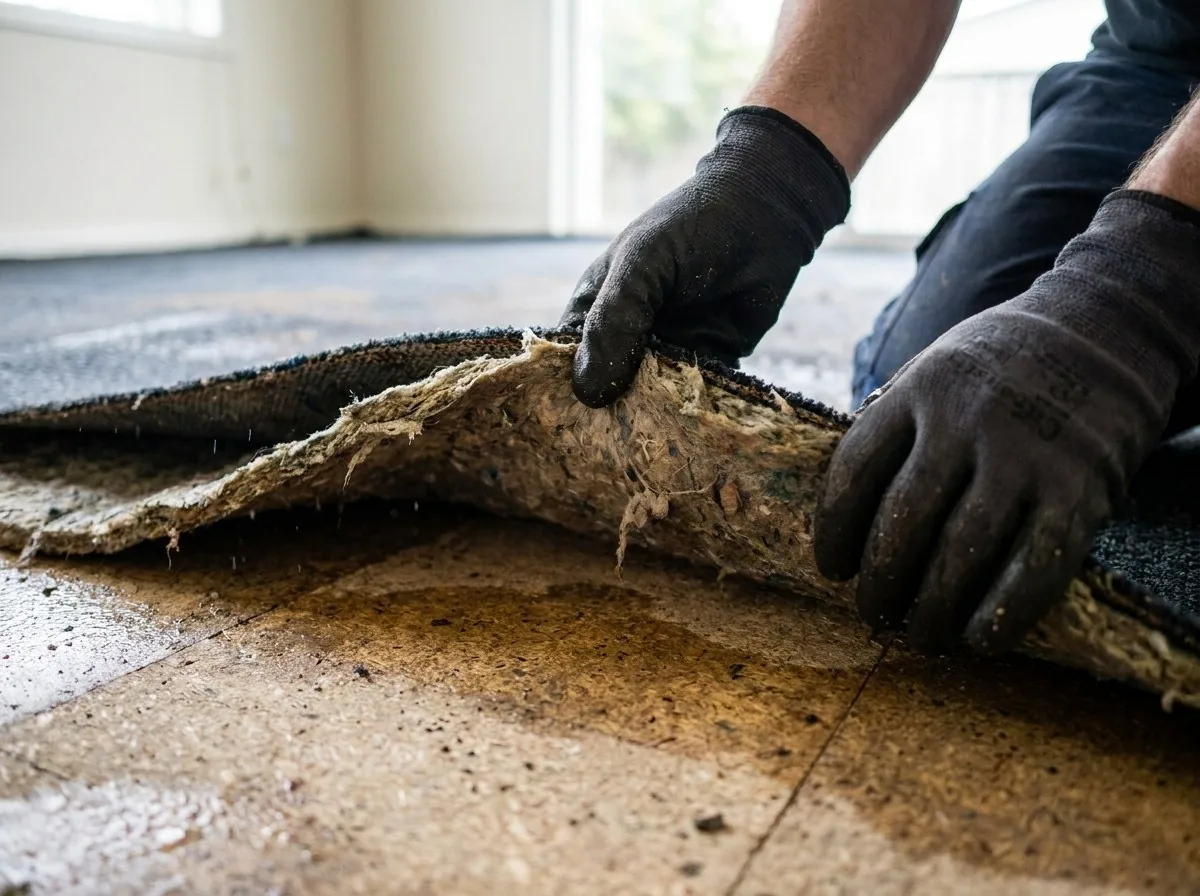
What to do when hardwood is cupping, crowning, buckling, staining, or feels damp after a water loss
Stop the source, keep traffic light, and document the floor before sanding or removing boards. Moisture below the finish can be more important than the visible appearance on top.
Do not sand or aggressively heat cupped hardwood while it is still wet. Heat and rapid drying can create additional movement or finish damage.
What a responder will look for
The assessment compares affected and unaffected boards, checks moisture in the floor system, and identifies whether water reached the subfloor.
Type of water
Clean supply-line water is handled differently from sewage or floodwater.
Movement pattern
Cupping, crowning, buckling, and finish changes suggest different moisture paths and timing.
Subfloor
A dry-looking hardwood surface can cover a wet underlayment or subfloor.
Steps that protect people and property
- Stop the source and limit foot traffic.
- Use towels for surface water but avoid household vacuums around electrical risks.
- Photograph board movement, staining, and the room perimeter.
- Keep samples or removed pieces labeled if flooring is taken up.
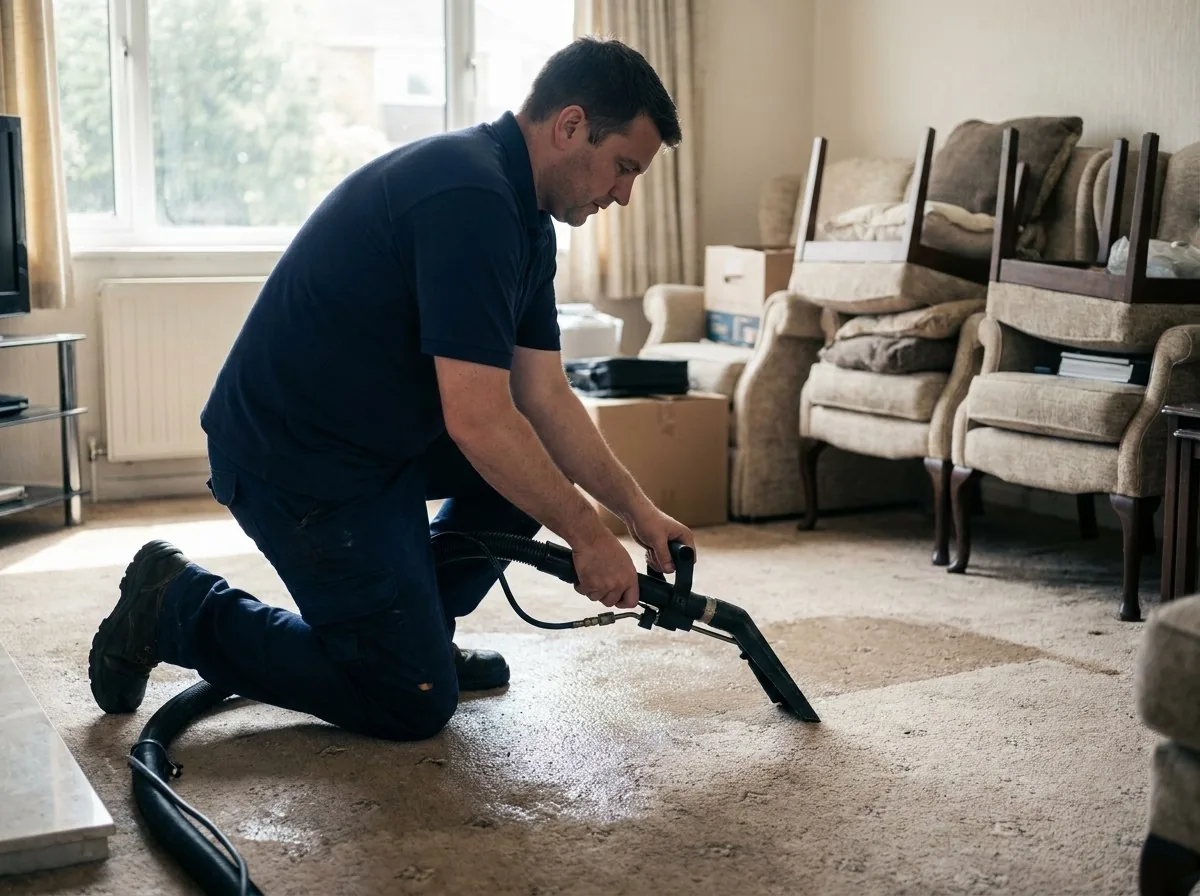
Older homes in Indianapolis and surrounding suburbs may have multiple flooring layers. Knowing what is below the hardwood can change the repair plan.
From first call to a dry, documented property
Measure
Readings are taken in hardwood, subfloor, and nearby walls.
Choose a pace
Drying is controlled to reduce additional movement and protect the assembly.
Recheck
The floor is evaluated after moisture levels change, not only at the first visit.
Repair
Refinishing or replacement decisions follow the drying assessment.
Frequently Asked Questions
Sometimes. The likelihood depends on the water source, how quickly drying starts, the floor construction, and the severity of movement.
Not automatically. Document it and have the floor and subfloor assessed before making a replacement decision.
Coverage depends on the sudden cause, policy language, exclusions, and whether the damage was maintained or documented promptly.
Independent guidance
This page is general education, not insurance, legal, electrical, or medical advice. For safety and moisture-control background, see EPA mold and moisture guidance, EPA flood cleanup guidance, and CDC floodwater safety guidance.
Need a clear next step?
Tell us what happened and we'll route your request to a local restoration professional who can assess the damage.