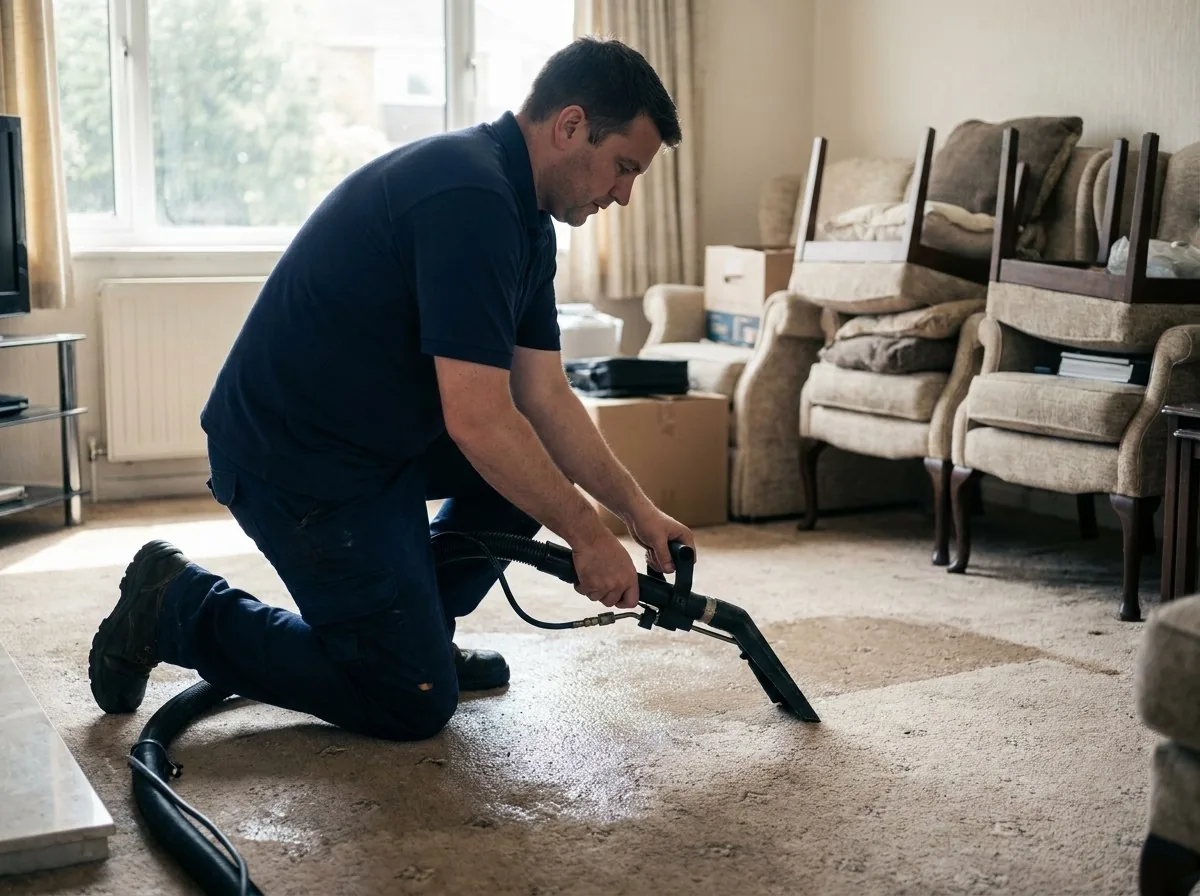
Water Damage Assessment in Indianapolis: Get the Damage Mapped Before You Repair
A useful assessment answers four questions: where the water came from, how far it traveled, what is still wet, and what needs to happen first for people and property to be safe.
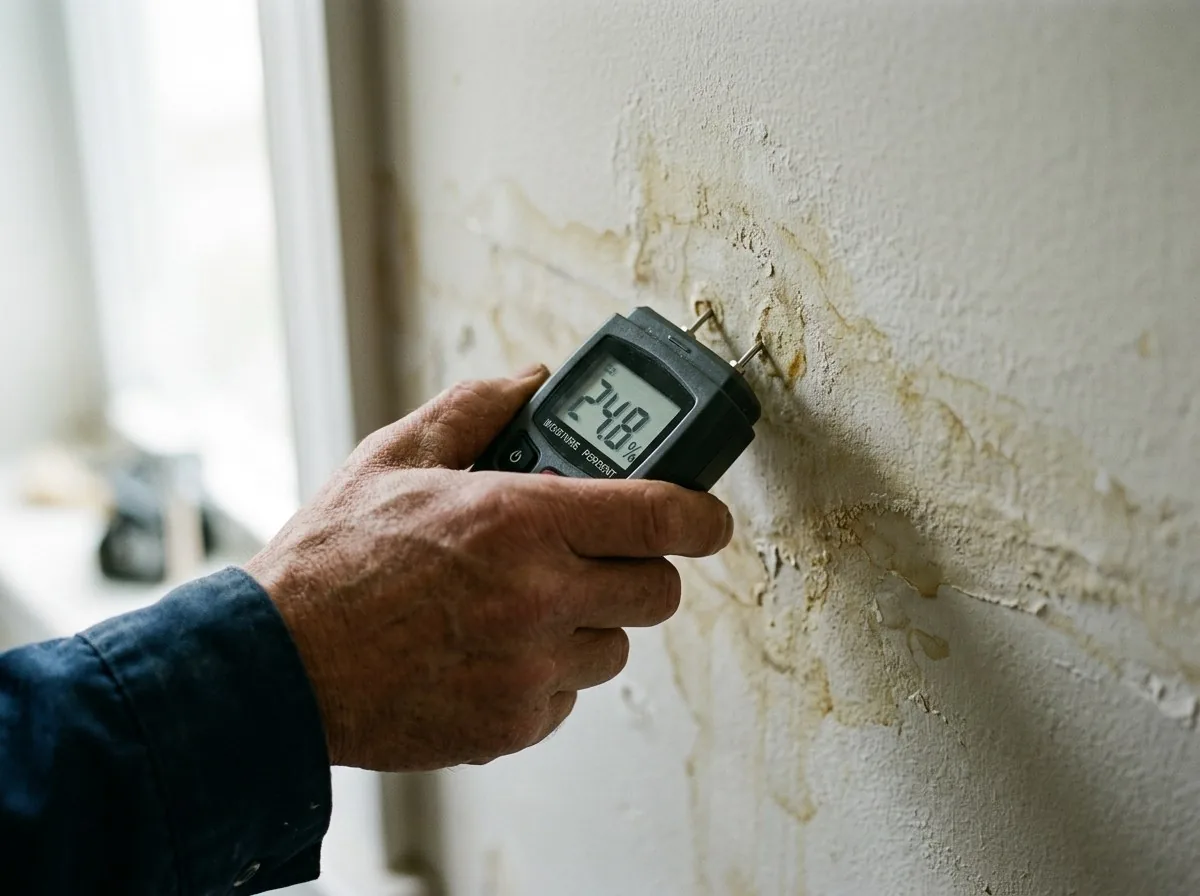
What to do when you are unsure how far water traveled or what should be removed
Do not make a demolition or replacement decision from a single visible stain. An assessment can identify hidden moisture, affected materials, and priorities for source repair, extraction, drying, and documentation.
If water may be contaminated or electricity may be involved, keep people out and wait for qualified help.
What a responder will look for
A good assessment creates a shared map of the loss that can be used by the property owner, restoration responder, insurer, and repair trades.
Source
The cause and water type drive safety and cleanup decisions.
Extent
Moisture is mapped across rooms, walls, floors, ceilings, and contents.
Plan
The first actions are prioritized so urgent work does not create avoidable damage.
Steps that protect people and property
- Write down when the problem was discovered and what changed.
- Take wide and close-up photos before moving things.
- List rooms, materials, and equipment that may be affected.
- Ask which parts of the assessment are confirmed and which are still assumptions.
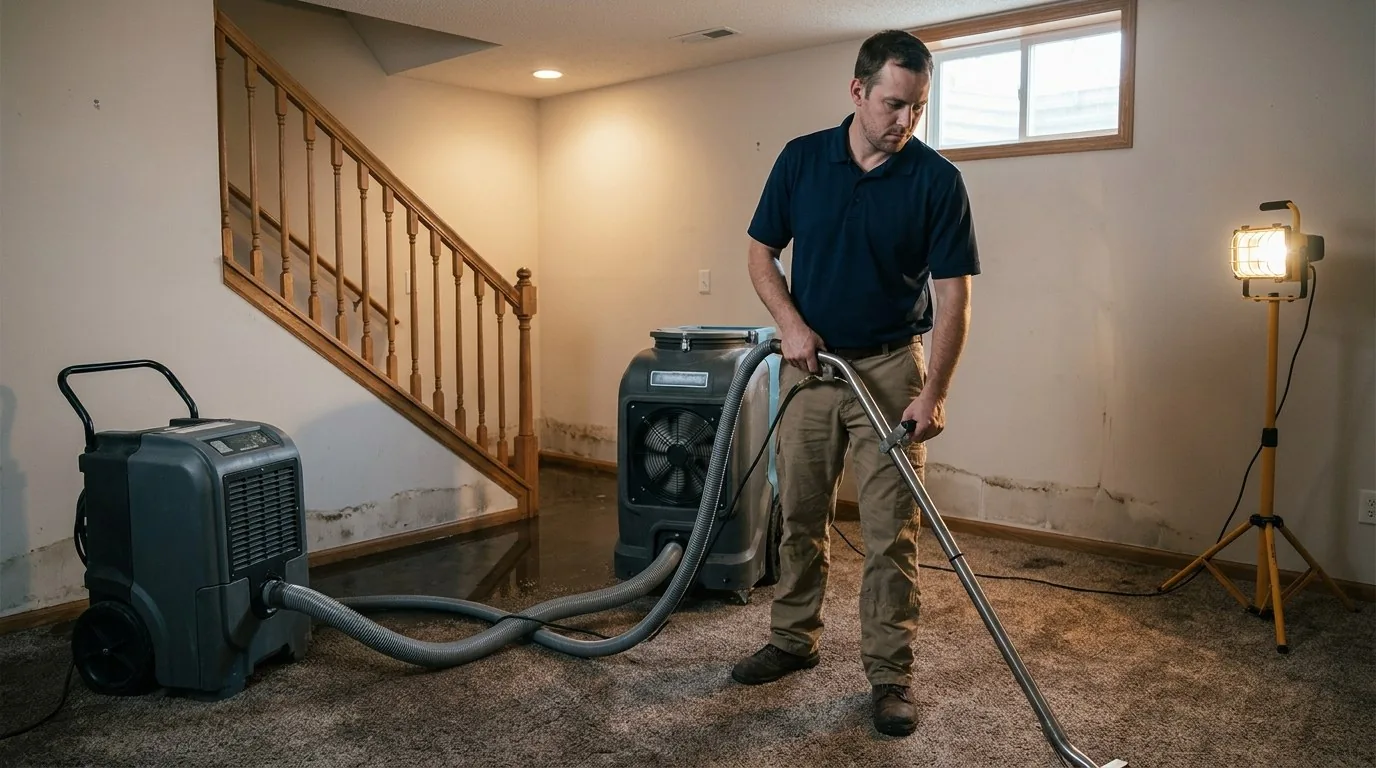
Because Central Indiana properties vary from older urban homes to newer suburban construction, material assemblies can differ room to room. A written assessment helps prevent one-size-fits-all decisions.
From first call to a dry, documented property
Interview
The responder learns what happened, when, and what has already been done.
Map
Readings and visual inspection show the affected footprint.
Prioritize
Safety, source control, extraction, drying, and contents decisions are sequenced.
Document
The property owner receives a clear record of observations and next steps.
Frequently Asked Questions
Ask what caused the loss, what is wet, what is unsafe, what can be dried, what may need removal, and how progress will be documented.
Not necessarily. IndyWaterHelp is an independent referral resource; ask any provider about scope, pricing, and authorization before work begins.
A small visible leak may be simple, but an assessment is useful when water reached flooring, walls, cabinets, insulation, or a concealed cavity.
Independent guidance
This page is general education, not insurance, legal, electrical, or medical advice. For safety and moisture-control background, see EPA mold and moisture guidance, EPA flood cleanup guidance, and CDC floodwater safety guidance.
Need a clear next step?
Tell us what happened and we'll route your request to a local restoration professional who can assess the damage.