Apartment Water Damage Reporting Checklist for Tenants
Report active water immediately, state the location and safety concern clearly, and keep copies of all messages, photos, and work orders.
Published August 25, 2026 · Updated October 6, 2026 · General education for Indianapolis-area property owners
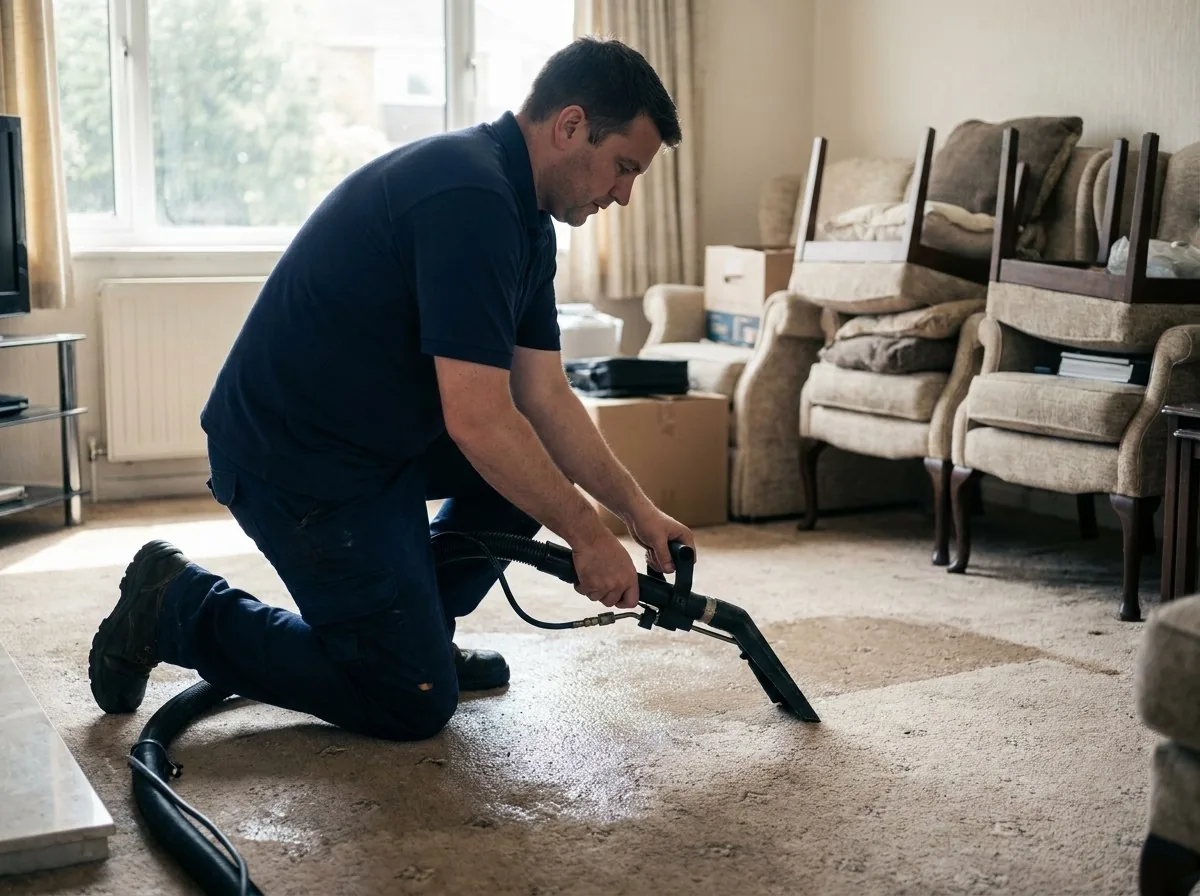
Report active water immediately, state the location and safety concern clearly, and keep copies of all messages, photos, and work orders.
Why this problem is easy to underestimate
Tenants often lose time by reporting only that “there is water.” A useful report says where it is, whether it is active, what may be unsafe, and which rooms or belongings are affected.
Fast notice gives management a chance to stop the source before it moves into another unit or floor.
What to check first
- Exact room and fixture.
- Active drip, standing water, ceiling stain, or sewage odor.
- Whether electrical equipment or belongings are affected.
What to do next
Call the emergency maintenance number.
Send photos and a short written description.
Keep the ticket number and response time.
Move people and pets away from unsafe areas.
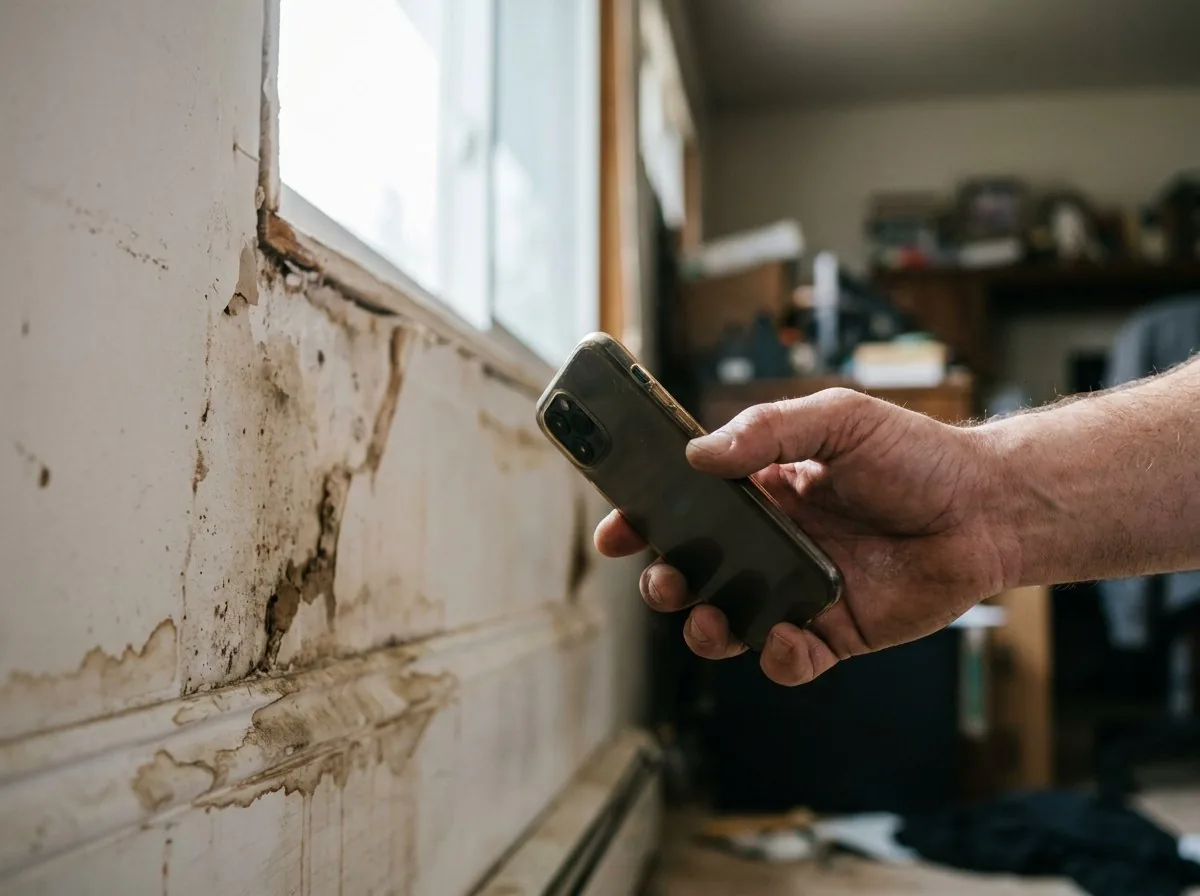
When a professional assessment makes sense
Request a written update if the issue affects habitability or access.
Multi-unit buildings can spread water through walls and floor assemblies.
Frequently Asked Questions
Location, source if known, whether water is active, safety concerns, and photos.
Follow the property's emergency process and notify management; emergency help may also be appropriate for active unsafe water.
That depends on the lease, cause, and insurance policies.
Independent guidance
This page is general education, not insurance, legal, electrical, or medical advice. For safety and moisture-control background, see EPA mold and moisture guidance, EPA flood cleanup guidance, and CDC floodwater safety guidance.
Water is already affecting the property?
Use the emergency guide or call so the situation can be assessed before a small loss becomes a larger repair.