Apartment water damage: who makes which decision?
Report the leak through the building’s emergency maintenance process first. A tenant’s report, a plumbing repair, and a restoration assessment serve different purposes. Give management the unit number, affected room, whether water is still entering, and any ceiling or electrical hazard. Ask who has authority to approve restoration work before signing a contract for the building.
| Person or provider | Question to resolve |
|---|---|
| Tenant | What changed, when was it noticed, and which belongings are affected? |
| Property manager | Who will stop the source, arrange access, and approve building work? |
| Plumber | What failed, and is the water source repaired? |
| Restoration provider | Where is moisture present, what can be dried, and what is the documented scope? |
| Insurer | What does the actual policy cover, and which records are needed? |
A message you can send to management
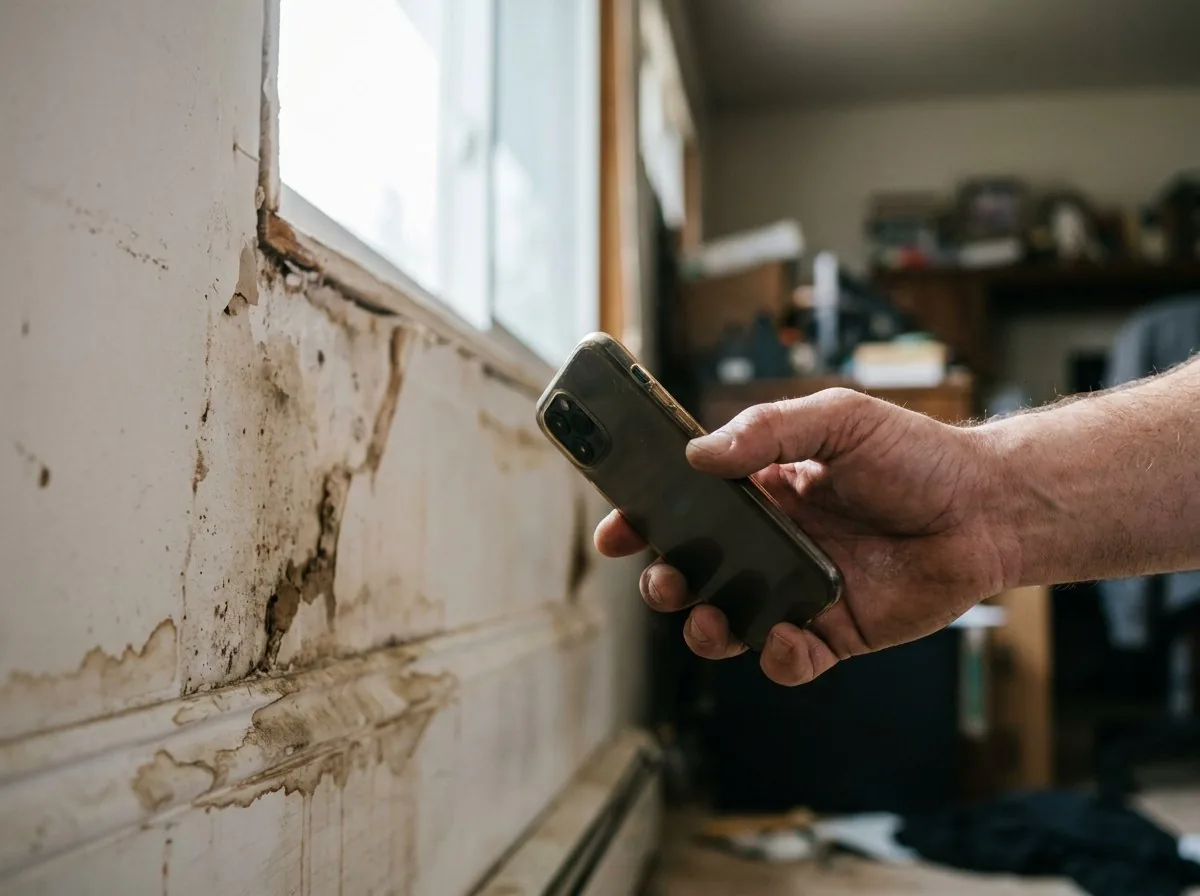
Water is entering [room] in unit [number]. I noticed it at [time]. It is [still active / stopped / unknown]. [Describe any electrical, ceiling, or contamination concern.] Please confirm who will respond, how access will be arranged, and whether the room can be used. I have photos taken from a safe location.
This is a reporting template, not a finding about fault, insurance coverage, or the right to end a lease. Keep the response with your photos and maintenance ticket.
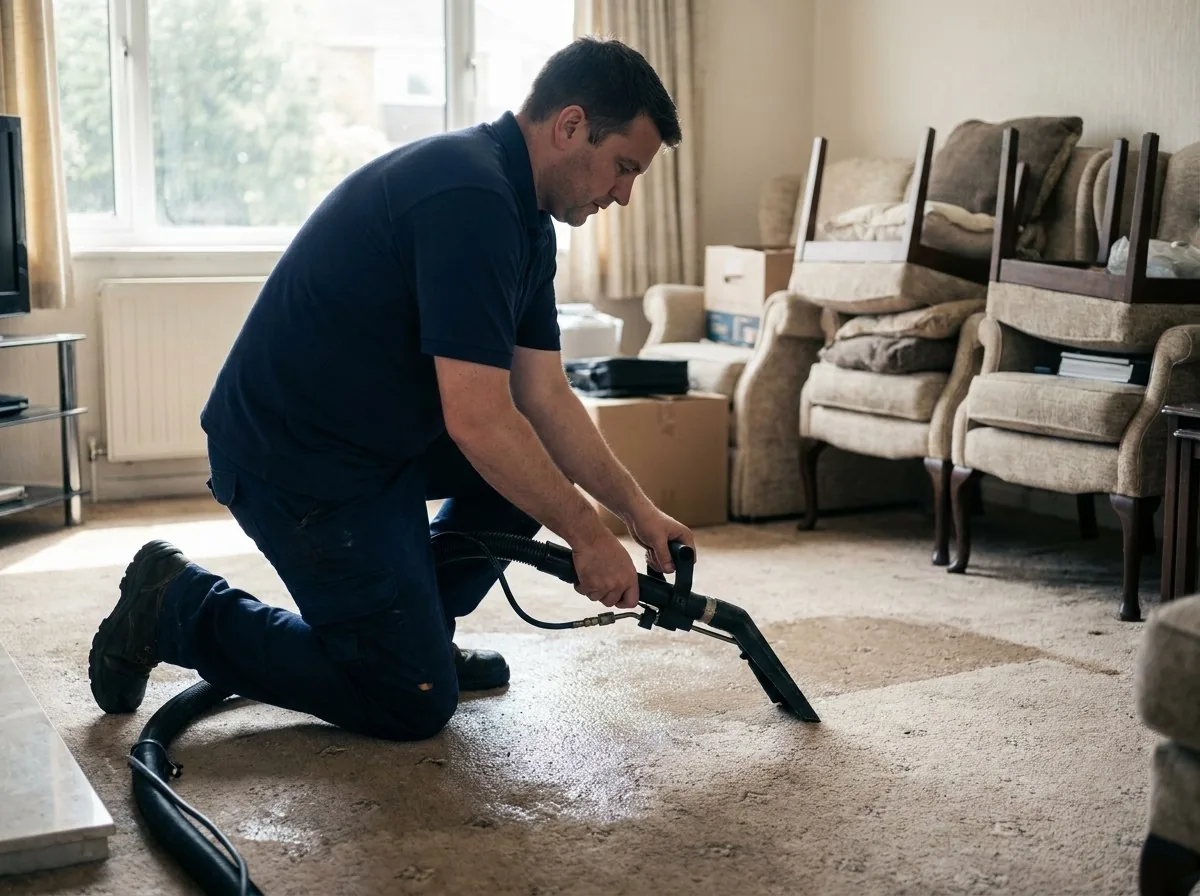
If you manage the property and need extraction or drying, request a restoration referral. If you rent, ask management to coordinate building work and use your insurer for questions about belongings and temporary accommodation.