Basement Floor Drain Backing Up: What It Means and What to Do
How to respond when a basement floor drain backs up, including sewage safety, documentation, and cleanup priorities.
Published and updated August 25, 2026 · General education for Indianapolis-area property owners
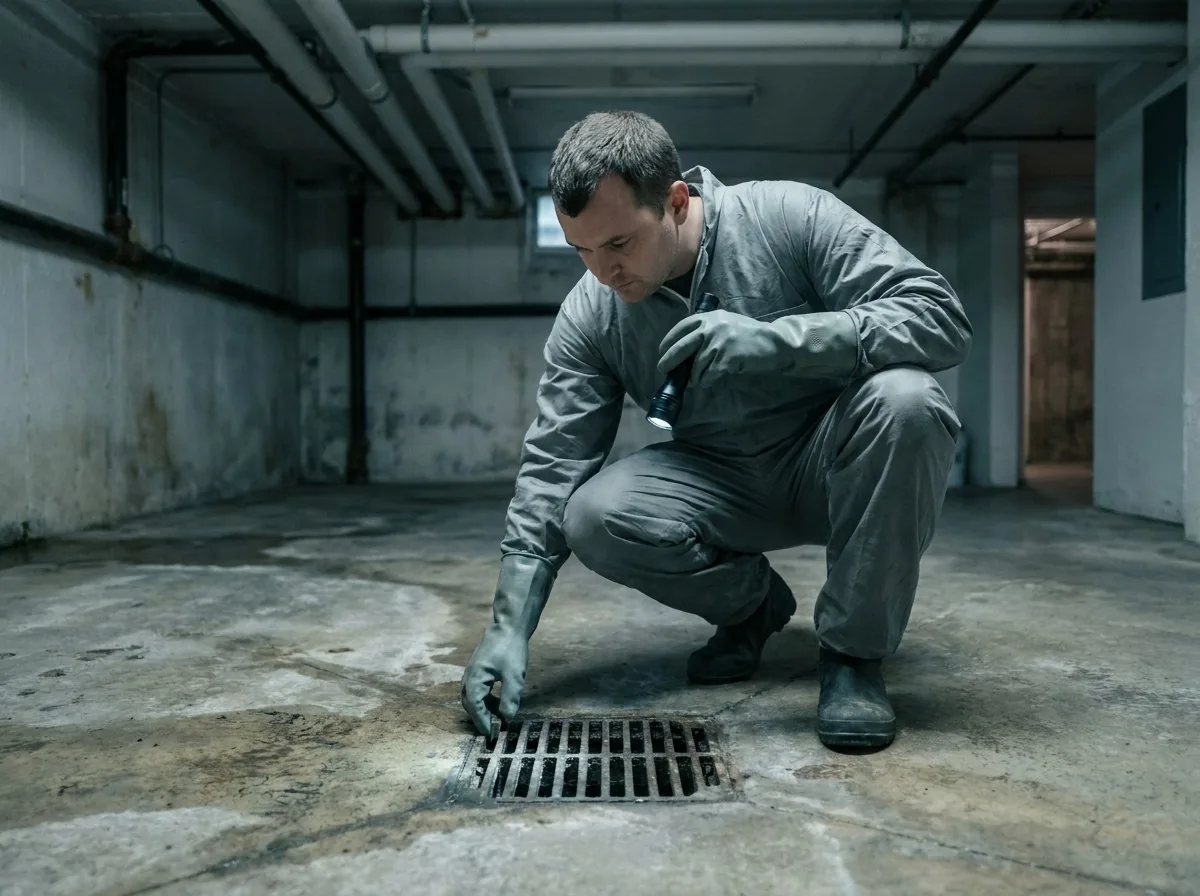
A floor drain backup can indicate a blocked building drain, municipal surcharge, sump issue, or sewer problem. Treat the water as potentially contaminated until its source is confirmed, keep people out, and avoid spreading it through the basement.
Why this problem is easy to underestimate
Floor drains are low points, so the first visible water may represent a larger issue in the building drain or sewer connection. A backup also affects finishes and belongings at floor level before walls show damage.
The key question is not just how much water appeared. It is whether the water contacted sewage, chemicals, stored materials, or electrical equipment.
What to check first
- Color, odor, solids, and whether toilets or sinks are also slow or backing up.
- Whether water is near a furnace, panel, outlet, or stored chemicals.
- The water line and every porous item that contacted the water.
What to do next
Keep children, pets, and unprotected people out of the basement.
Do not use a household vacuum or floor fan on suspected contaminated water.
Photograph the drain, water line, affected contents, and any plumbing symptoms.
Call for qualified sewage or contaminated-water cleanup and a plumbing assessment.
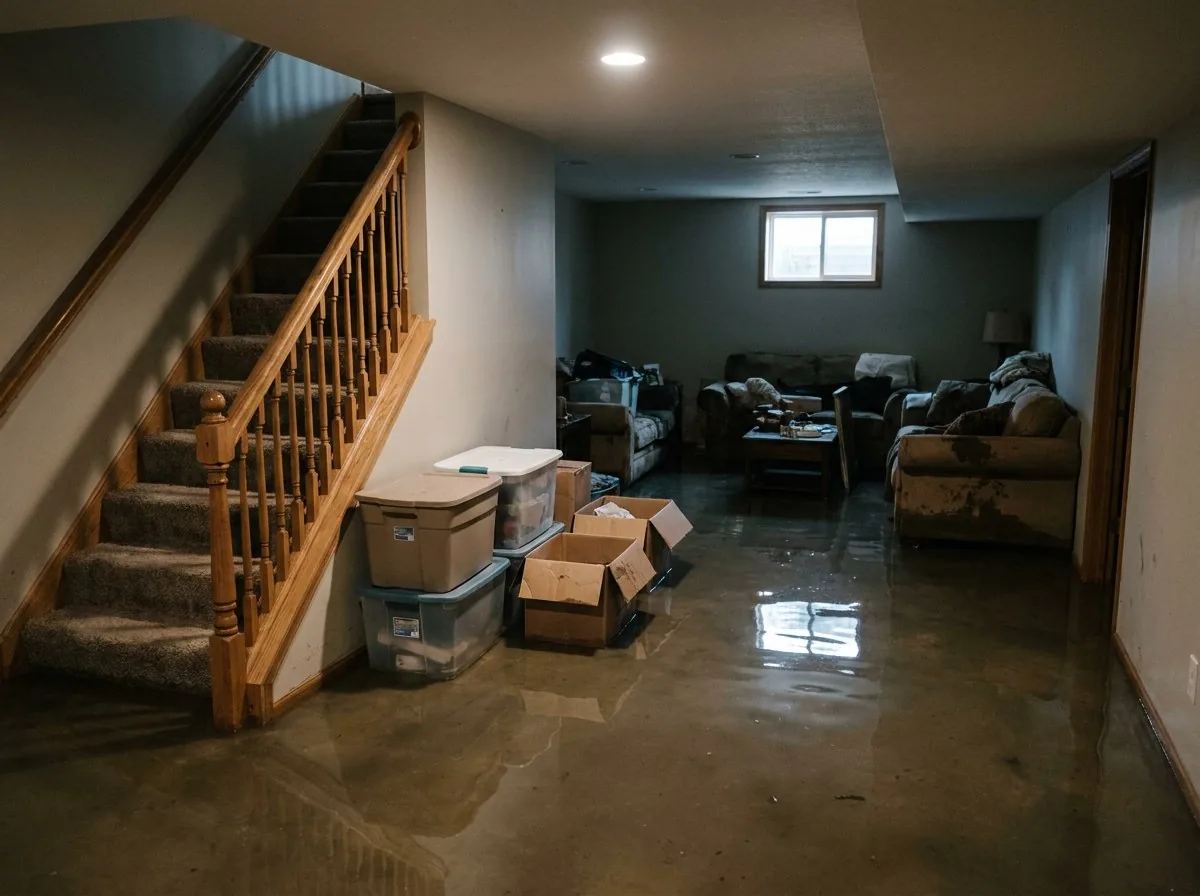
When a professional assessment makes sense
When sewage or gray water is involved, professional handling is usually the safer choice because porous materials and hidden cavities may be contaminated. The cleanup plan should address source repair, removal, cleaning, drying, and odor—not only the visible puddle.
Indianapolis-area context
Heavy rain can increase the chance of drain and sewer problems in Central Indiana. Do not assume a backup is caused by the sump pump alone; the building drain and municipal conditions may need separate evaluation.
Frequently Asked Questions
Only a small, confirmed clean-water event in a safe area may be suitable for limited homeowner cleanup. Suspected sewage, electrical risk, or extensive water calls for qualified help.
Limit water use until the source is understood; additional flushing can worsen a blockage or backup.
Not always, but porous flooring, drywall, insulation, and stored contents may need different handling depending on contamination and exposure time.
Independent guidance
This page is general education, not insurance, legal, electrical, or medical advice. For safety and moisture-control background, see EPA mold and moisture guidance, EPA flood cleanup guidance, and CDC floodwater safety guidance.
Water is already affecting the property?
Use the emergency guide or call so the situation can be assessed before a small loss becomes a larger repair.