Sewer Backup vs. Storm Water: Why the Difference Matters
How to tell apart sewer backup, storm runoff, groundwater, and clean plumbing water for safer cleanup and documentation.
Published and updated August 25, 2026 · General education for Indianapolis-area property owners
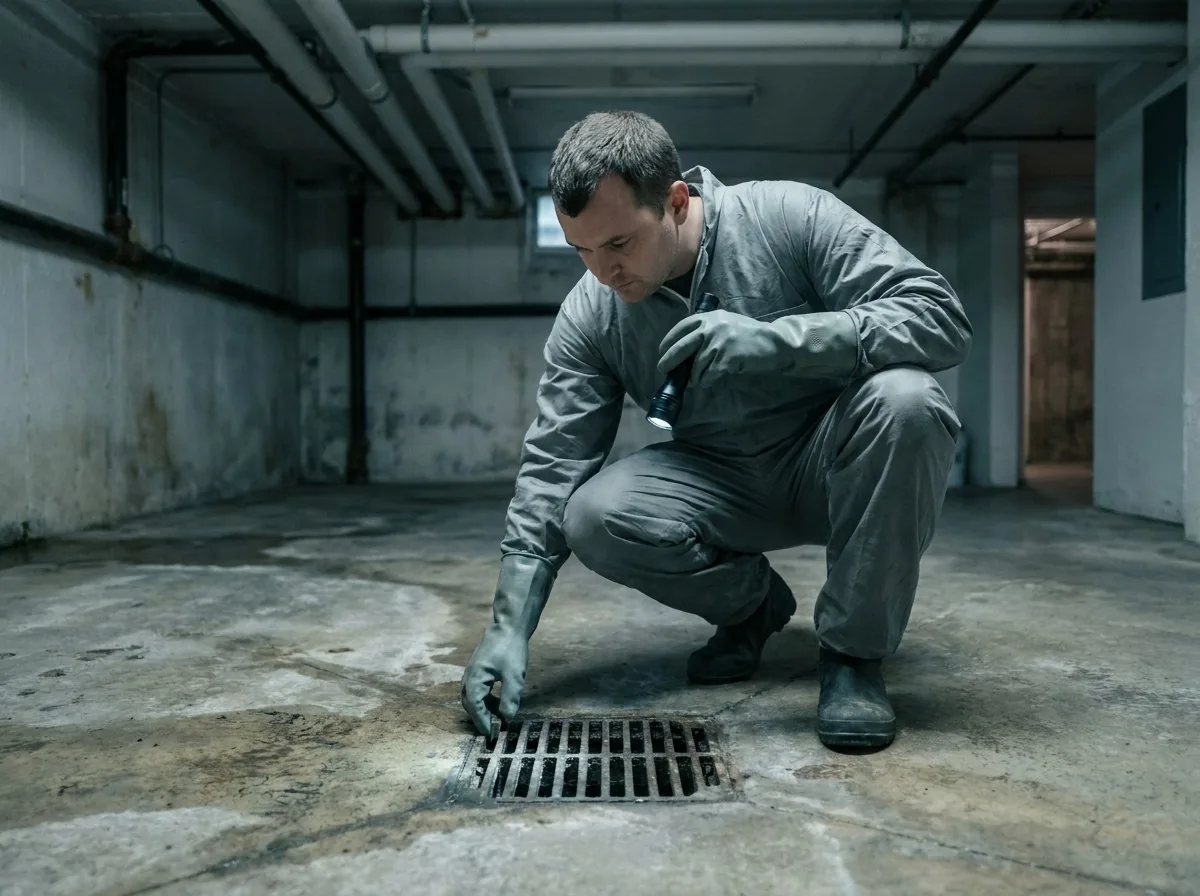
The source matters because sewer water and floodwater may be contaminated, while clean supply water follows a different cleanup path. When the source is uncertain, keep out and treat the water cautiously until assessed.
Why this problem is easy to underestimate
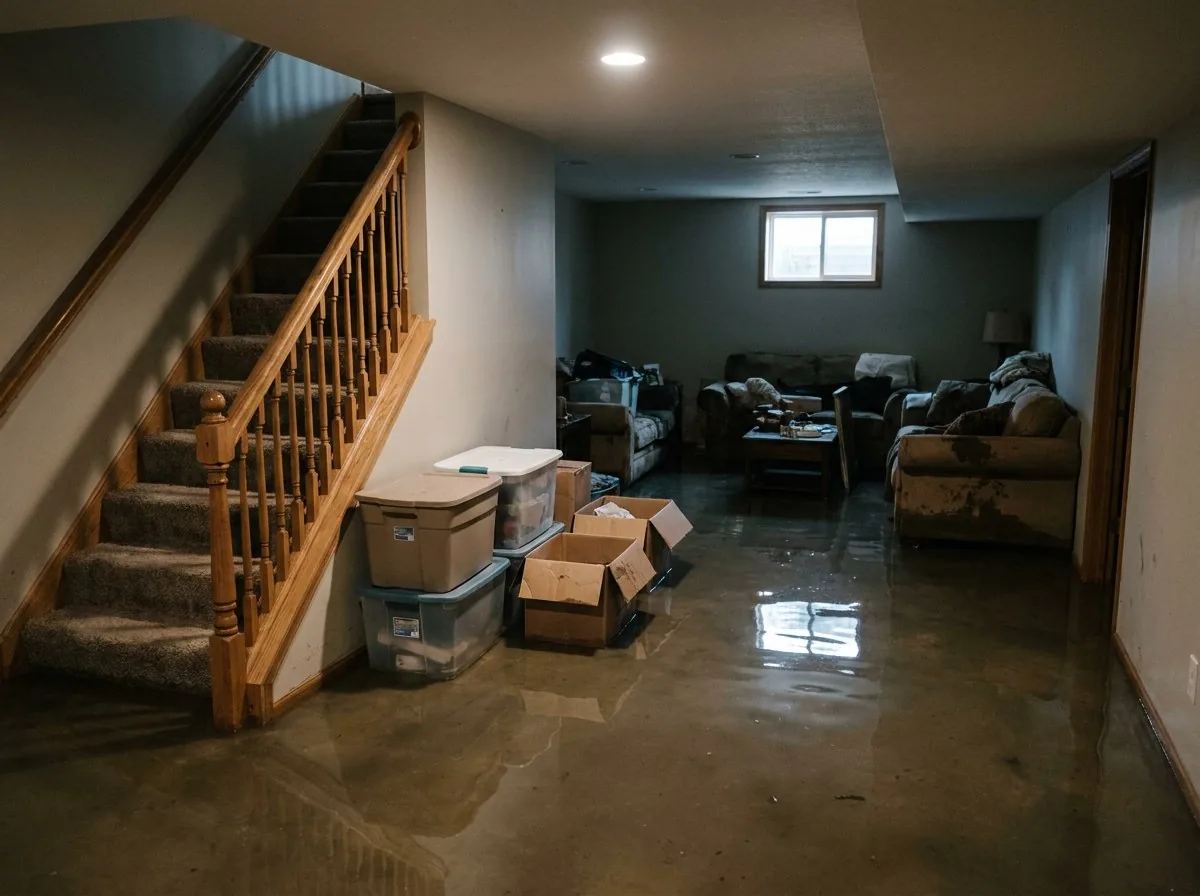
A basement may flood during a storm because of a sewer surcharge, surface runoff, groundwater, sump failure, or a plumbing issue. The water can look similar even though the safety and insurance questions differ.
The most useful evidence is the timing, route of entry, drain behavior, odor, solids, weather, and whether plumbing fixtures were also affected.
What to check first
- Whether toilets, sinks, or floor drains backed up.
- Whether water entered from outside, through a wall, or from a pipe or appliance.
- Whether there was heavy rain, a power failure, or a recent plumbing event.
What to do next
Keep children, pets, and unprotected people out.
Do not run fans or use a household vacuum on suspected contaminated water.
Photograph drains, water lines, entry points, and debris.
Call qualified help and report the source facts without guessing at coverage.
When a professional assessment makes sense
Professional cleanup is the safer choice for sewage, gray water, floodwater, or any event that reached porous materials. Source repair and building cleanup may involve different providers.
Indianapolis-area context
EPA and CDC guidance emphasize caution with floodwater and contaminated materials. Keep the event date, rainfall information, and plumbing symptoms together in your records.
Frequently Asked Questions
No. Storm and floodwater can pick up sewage, chemicals, debris, and other contaminants.
Yes. Heavy rain can overload drainage systems, but a plumber or qualified responder should identify the actual source.
Not necessarily. Coverage depends on the source, endorsements, exclusions, and policy language.
Independent guidance
This page is general education, not insurance, legal, electrical, or medical advice. For safety and moisture-control background, see EPA mold and moisture guidance, EPA flood cleanup guidance, and CDC floodwater safety guidance.
Water is already affecting the property?
Use the emergency guide or call so the situation can be assessed before a small loss becomes a larger repair.