Restaurant Water Damage Response: Food, Staff, and Reopening
Close the affected zone, isolate questionable food and packaging, document the event, and coordinate building cleanup with food-safety and reopening requirements.
Published August 25, 2026 · Updated October 6, 2026 · General education for Indianapolis-area property owners
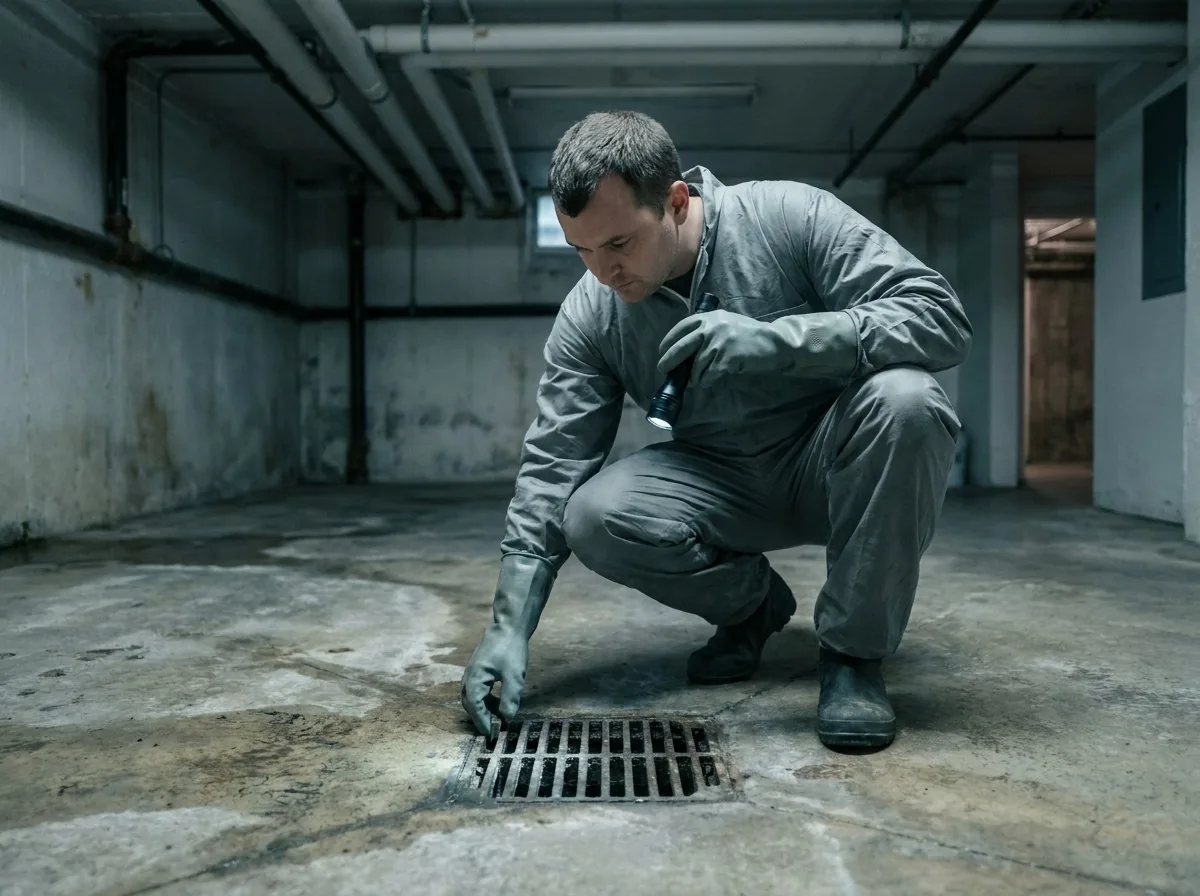
Close the affected zone, isolate questionable food and packaging, document the event, and coordinate building cleanup with food-safety and reopening requirements.
Why this problem is easy to underestimate
The response must protect people and food operations while the source and building damage are addressed.
A leak in a kitchen, restroom, ice machine, or drain can reach food-contact surfaces and equipment quickly.
What to check first
- Water source and possible contamination.
- Food, packaging, and equipment that contacted water.
- Areas required for safe operation.
What to do next
Keep customers and staff out of the affected area.
Do not distribute questionable food.
Photograph inventory and equipment.
Coordinate qualified cleanup and source repair.
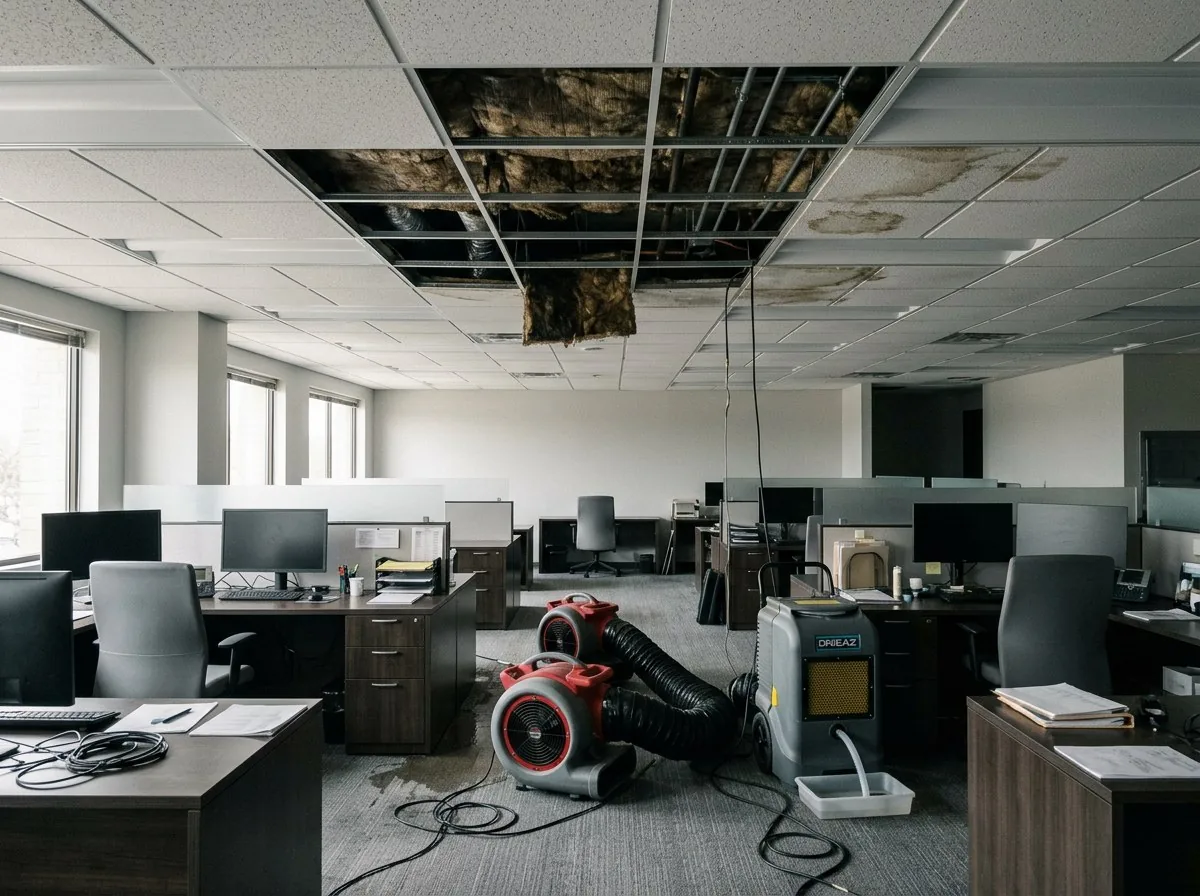
When a professional assessment makes sense
Reopening should follow applicable health and safety requirements, not appearance alone.
Restaurants often have tight back-of-house layouts where water travels under equipment and into adjacent rooms.
Frequently Asked Questions
Possibly, if unaffected areas remain safe and requirements are met.
Isolate, document, and follow food-safety guidance.
Plumbing, HVAC, roofing, and restoration providers may each have a role.
Independent guidance
This page is general education, not insurance, legal, electrical, or medical advice. For safety and moisture-control background, see EPA mold and moisture guidance, EPA flood cleanup guidance, and CDC floodwater safety guidance.
Water is already affecting the property?
Use the emergency guide or call so the situation can be assessed before a small loss becomes a larger repair.