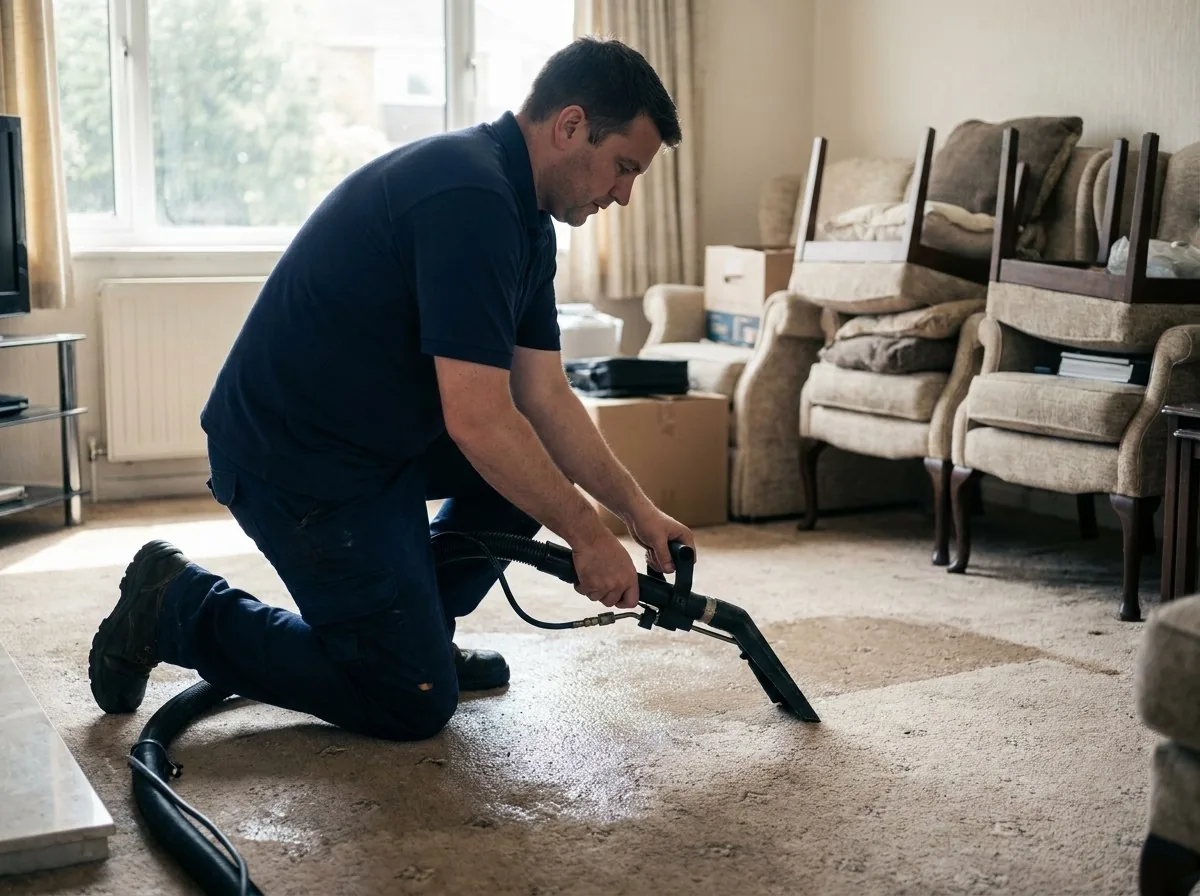
Restaurant Water Damage Restoration: Protect the Business, Staff, and Food-Safety Workflow
A restaurant loss can involve plumbing, grease-area drains, ice machines, dishwashers, restrooms, roofs, or sprinkler systems. The response must address building materials and operational safety together.
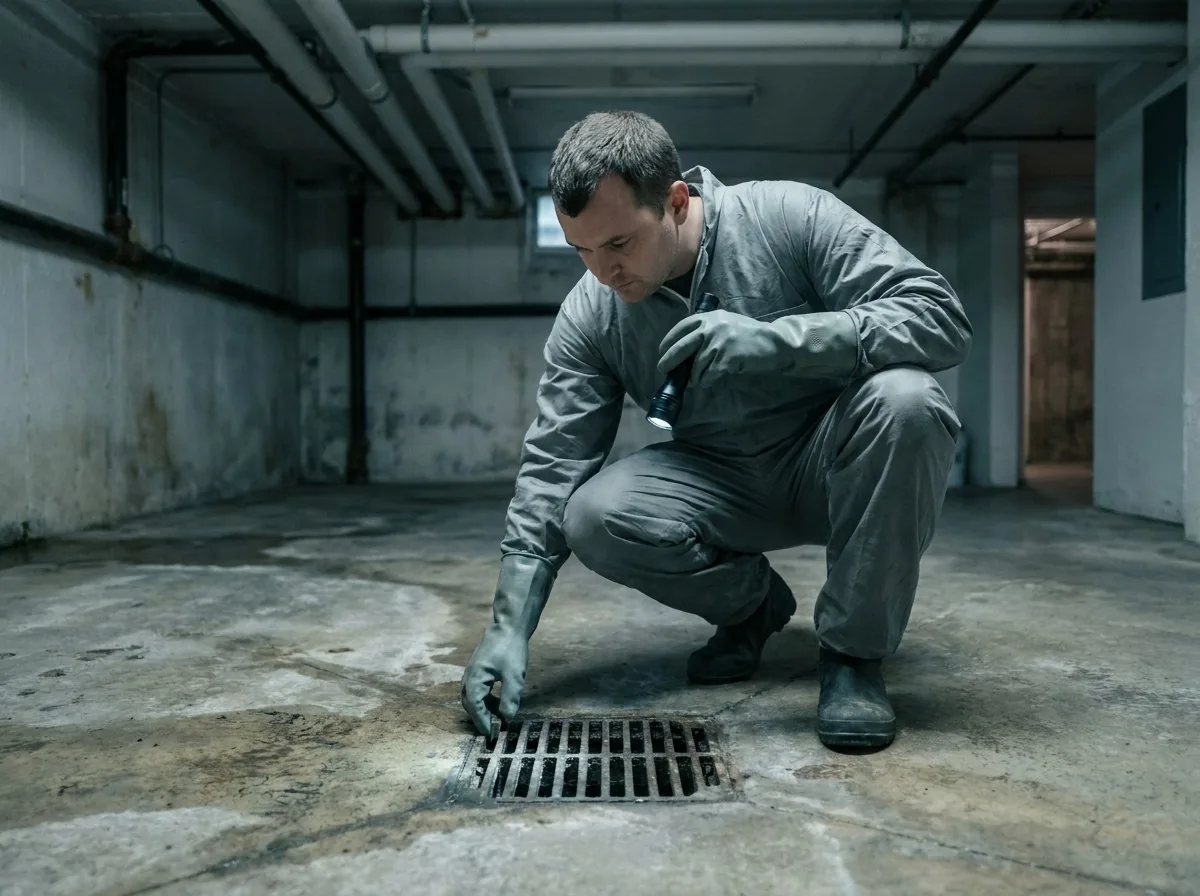
What to do when a restaurant kitchen, dining room, restroom, or storage area has water damage
Close the affected area, involve the manager, and separate potentially contaminated food or packaging from unaffected inventory. Document the source and preserve records of what was isolated or discarded.
Do not reopen an affected food-service area based only on appearance. Follow applicable health and safety requirements and get qualified advice.
What a responder will look for
The assessment considers water source, food-contact surfaces, electrical equipment, refrigeration, occupied areas, odors, and the path to reopening.
Water source
A clean supply leak and a drain or sewage overflow require different containment.
Food and inventory
Packaging, ingredients, and equipment need documented separation and handling.
Reopening
The business needs a practical sequence for cleaning, drying, inspection, and return to service.
Steps that protect people and property
- Keep staff and customers away from the affected area.
- Isolate food and packaging that may have contacted contaminated water.
- Do not power wet equipment or walk through unsafe standing water.
- Photograph the source, affected zones, inventory, and operational impact.
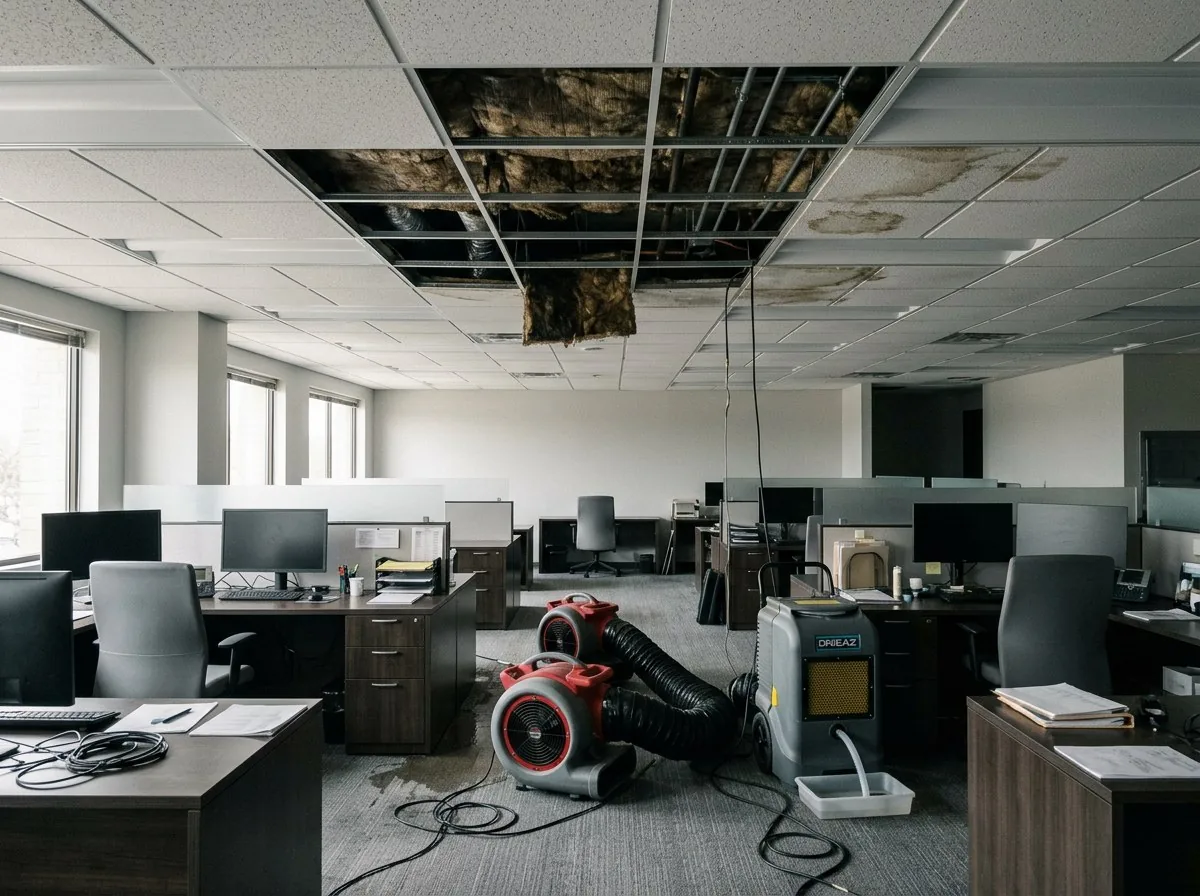
Restaurants around Indianapolis often have tight back-of-house spaces where a small appliance or drain leak can affect multiple workstations. Clear photos and a written inventory record are valuable from the first hour.
From first call to a dry, documented property
Contain
The affected area and food-service workflow are separated.
Assess
Water type, equipment, materials, and occupancy are documented.
Dry and clean
The plan addresses structure and surfaces without spreading contamination.
Reopen
The owner confirms the required inspections and cleaning steps are complete.
Frequently Asked Questions
Sometimes, but it depends on the affected area, contamination, electrical safety, and local requirements. Separate the operational decision from the repair decision.
Isolate it, document it, and follow food-safety guidance for the situation. Do not distribute questionable product.
A plumber or other trade stops the source; a restoration professional addresses water in building materials and contents.
Independent guidance
This page is general education, not insurance, legal, electrical, or medical advice. For safety and moisture-control background, see EPA mold and moisture guidance, EPA flood cleanup guidance, and CDC floodwater safety guidance.
Need a clear next step?
Tell us what happened and we'll route your request to a local restoration professional who can assess the damage.