Sump Pump Battery Backup: What It Prevents and What It Cannot
How a backup sump pump can reduce basement flooding risk and what to inspect after a pump failure.
Published and updated August 25, 2026 · General education for Indianapolis-area property owners
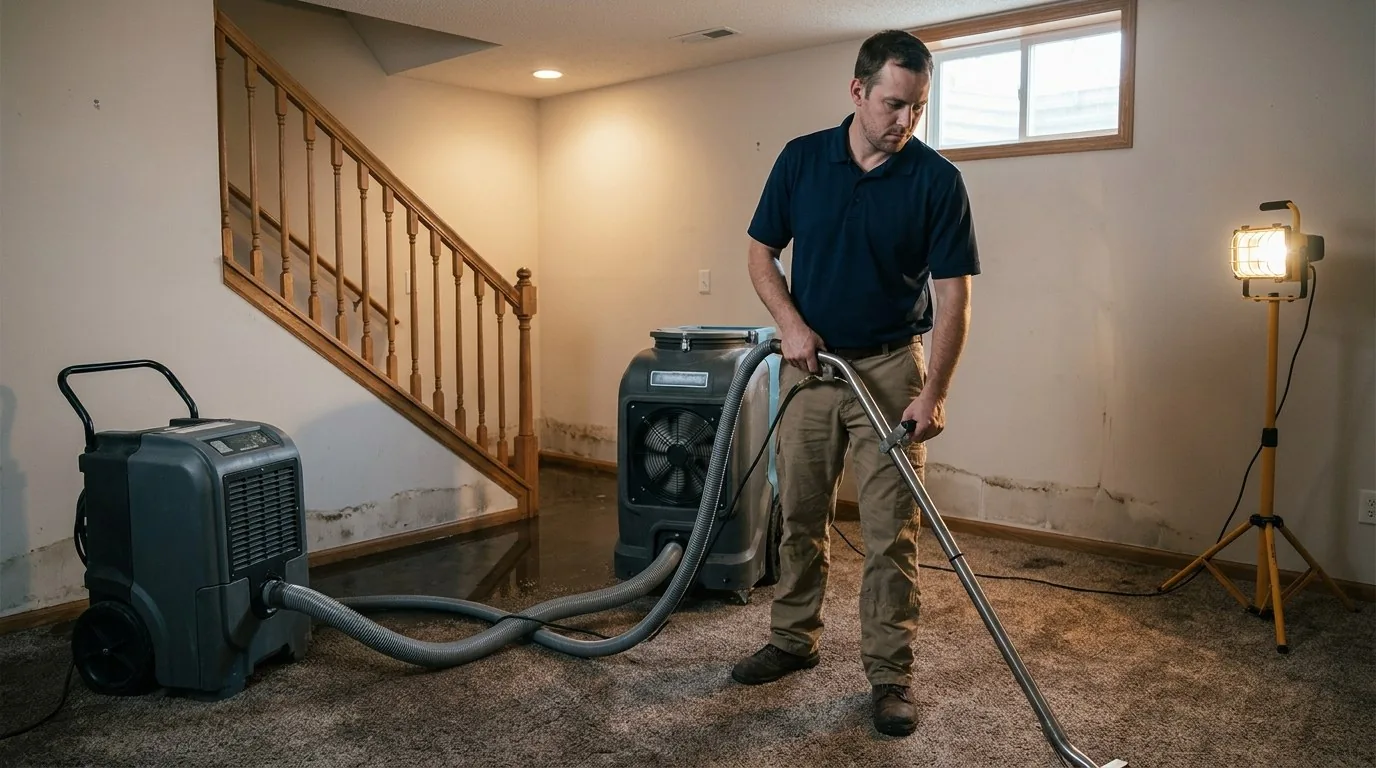
A backup sump pump can provide another pumping path during a primary pump failure or power outage, but it does not fix a blocked discharge, overwhelmed drainage system, or foundation water problem by itself.
Why this problem is easy to underestimate
Sump systems fail for different reasons: loss of power, float problems, blocked discharge, pump failure, or water volume beyond the system's capacity. A backup addresses some failure modes, not all of them.
After a flood, the useful question is what failed and whether the same condition will recur—not simply whether a second pump is installed.
What to check first
- Primary pump operation, float movement, and discharge path.
- Battery age, backup alarm, and whether the backup actually starts.
- Gutters, grading, floor drains, and signs of groundwater or sewer entry.
What to do next
Do not enter a flooded area near electrical equipment.
If safe, photograph the pump basin, discharge, water line, and damaged contents.
Test the backup according to the manufacturer's instructions before the next storm.
Ask a qualified plumber or basement-water professional to evaluate recurring flooding.
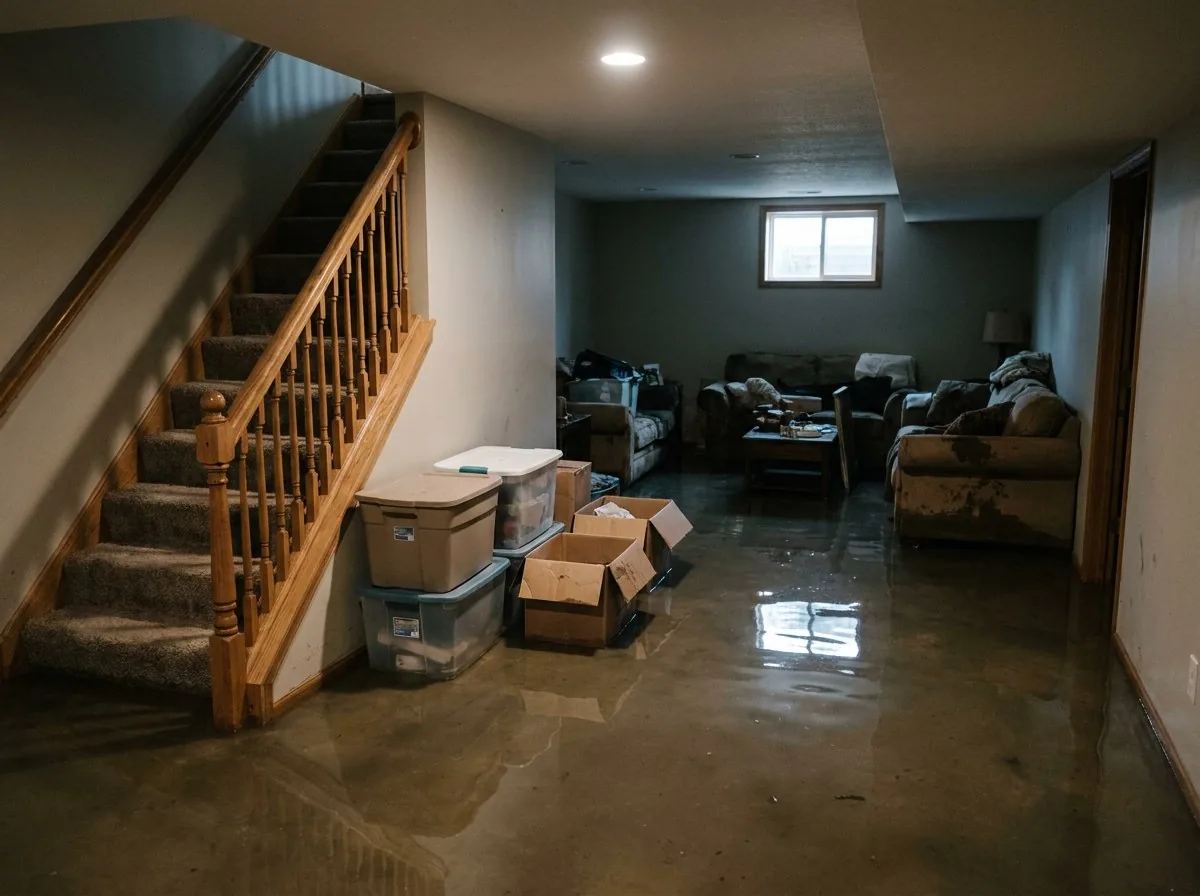
When a professional assessment makes sense
Professional help is warranted when a basement has repeated water, the pump cannot keep up, the discharge freezes or clogs, or water enters through drains and walls. A backup pump is one layer of a larger plan.
Indianapolis-area context
Heavy rain and power outages can arrive together during Central Indiana storms. Keep the pump area clear, check the discharge route seasonally, and store the battery date with your home maintenance records.
Frequently Asked Questions
No. It can help during some pump or power failures, but it does not fix drainage, sewer backup, foundation seepage, or an undersized system.
Follow the manufacturer's instructions and test after installation, before storm season, and after any flood event.
Document the failure and have the basement and contents assessed before focusing only on replacement equipment.
Independent guidance
This page is general education, not insurance, legal, electrical, or medical advice. For safety and moisture-control background, see EPA mold and moisture guidance, EPA flood cleanup guidance, and CDC floodwater safety guidance.
Water is already affecting the property?
Use the emergency guide or call so the situation can be assessed before a small loss becomes a larger repair.