Thermal Imaging in Water Damage Detection
Infrared cameras can see temperature differences that often reveal moisture hiding behind walls and ceilings — without cutting into anything.
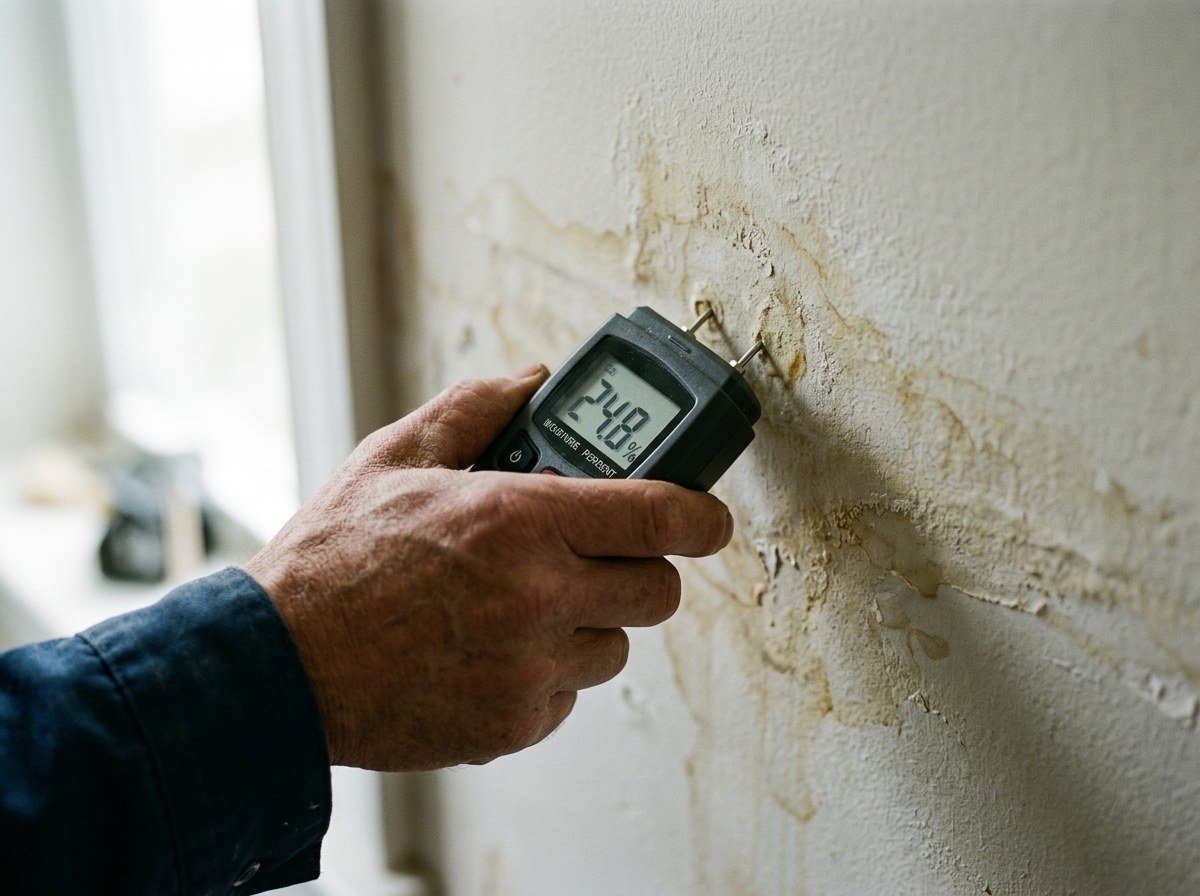
Thermal imaging cameras detect infrared radiation and display it as a visual heat map, showing temperature variations across a surface. Wet materials tend to be cooler than dry surrounding material, due to evaporative cooling — which is why a thermal camera pointed at a wall can often reveal a moisture pattern invisible to the naked eye.
What It Can Show
- A cooler patch on a wall or ceiling that suggests moisture behind the surface, even with no visible staining yet.
- The approximate extent of a moisture-affected area, helping determine how far demolition or drying setup needs to extend.
- Temperature anomalies that might indicate an active leak versus an old, already-dry stain.
What It Can't Tell You on Its Own
A thermal camera shows temperature difference, not moisture directly — a cool spot could be moisture, but it could also be a draft, a missing section of insulation, or simply a different material with different thermal properties. This is why thermal imaging is used to identify suspicious areas, then confirmed with an actual moisture meter reading, rather than relied on alone.
Why It's Useful Before Any Demolition
Instead of guessing where to cut into drywall to check for hidden moisture, thermal imaging lets a professional identify the likely extent of an affected area first — reducing unnecessary demolition and giving a clearer picture of the scope of a job before work begins.
Think of thermal imaging as a map that points to where to look closer, with a moisture meter providing the actual confirmation and measurement.
Frequently Asked Questions
It's a valuable screening tool but not infallible — temperature differences can have causes other than moisture, which is why readings are always confirmed with direct moisture measurement rather than acted on alone.
Suspect hidden moisture but don't want to cut into walls blindly?
A professional assessment can locate it before any demolition.