Water Damage After a Power Outage: Sump Pumps, Appliances, and Safety
Treat water near electrical equipment as unsafe, check for sump and appliance failures, and document what happened before restoring power to wet equipment.
Published August 25, 2026 · Updated October 6, 2026 · General education for Indianapolis-area property owners
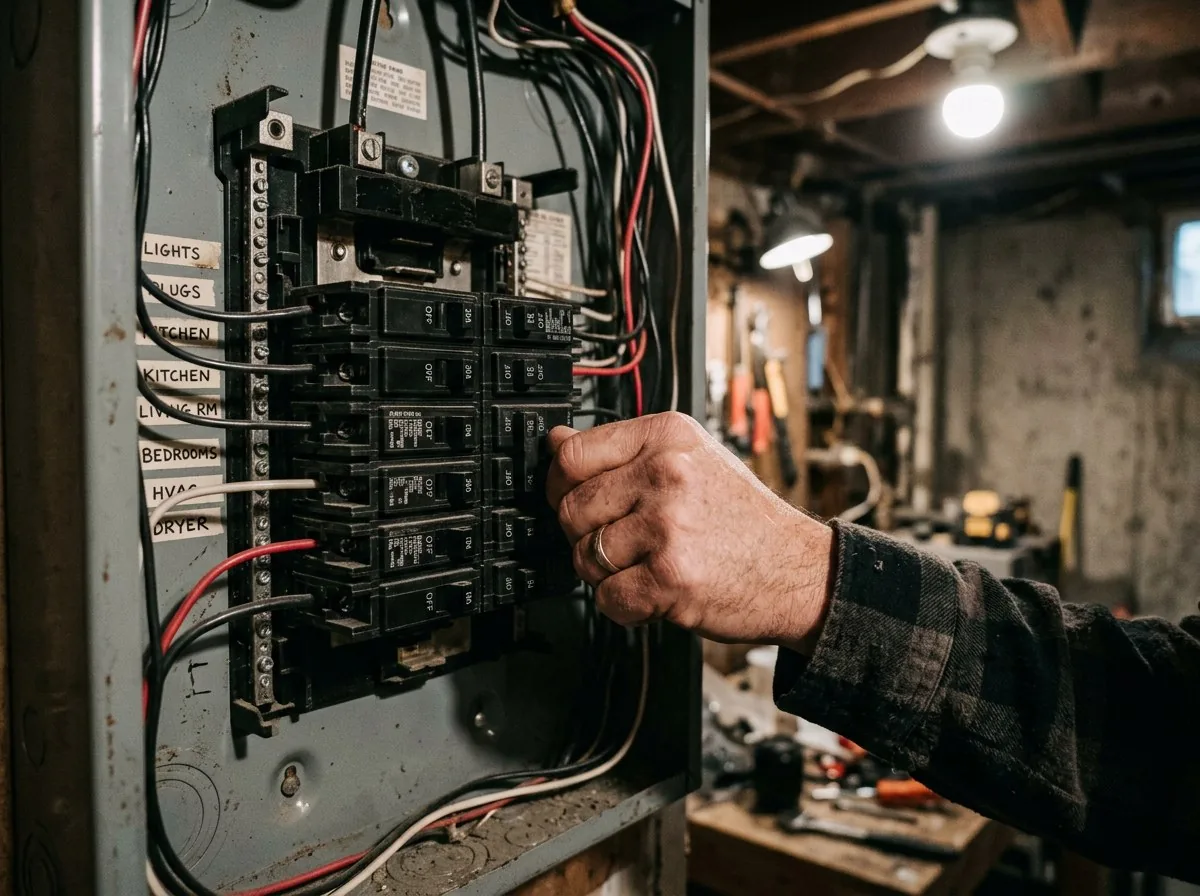
Treat water near electrical equipment as unsafe, check for sump and appliance failures, and document what happened before restoring power to wet equipment.
Why this problem is easy to underestimate
A power outage can stop sump pumps, cause refrigerators to leak, and leave mechanical equipment in unsafe conditions. Do not assume the outage itself explains every water path.
When power returns, pumps and appliances may restart or fail in ways that change the damage.
What to check first
- Sump pump and discharge.
- Refrigerator, ice maker, and appliance lines.
- Panels, outlets, furnaces, and standing water.
What to do next
Stay away from wet electrical equipment.
Use flashlights rather than candles in wet areas.
Photograph the pump, appliances, and water line.
Call qualified help before powering wet equipment.
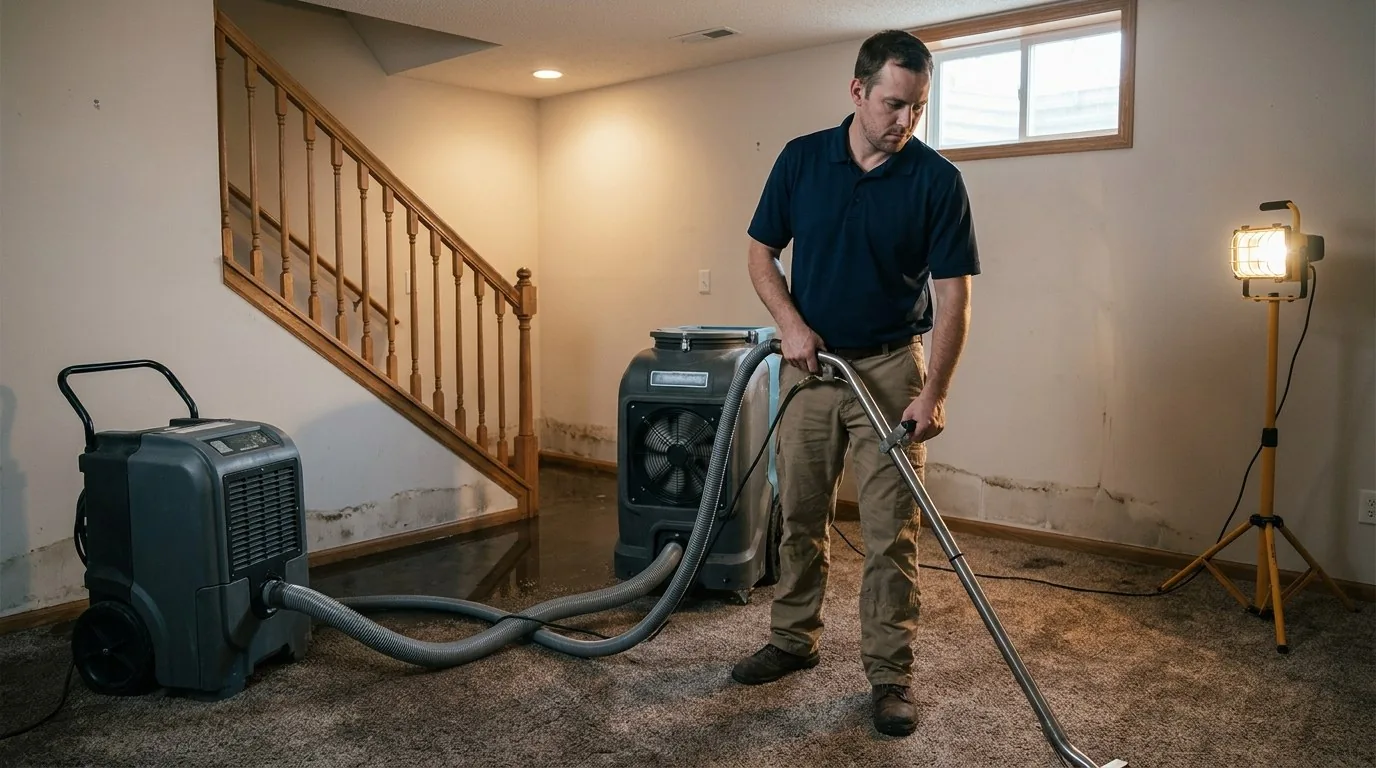
When a professional assessment makes sense
A drying assessment helps separate the initial water source from later spread.
Storm-related outages are common triggers for basement and appliance losses around Indiana.
Frequently Asked Questions
Not if equipment or outlets are wet; qualified evaluation comes first.
Yes, unless a backup or alternate power source is available.
Close the supply if safe, keep wet equipment disconnected, and check flooring and cabinets.
Independent guidance
This page is general education, not insurance, legal, electrical, or medical advice. For safety and moisture-control background, see EPA mold and moisture guidance, EPA flood cleanup guidance, and CDC floodwater safety guidance.
Water is already affecting the property?
Use the emergency guide or call so the situation can be assessed before a small loss becomes a larger repair.