Water Damage and Mold Testing: When It Helps and When It Does Not
Testing is not a substitute for fixing moisture. It may help answer a focused question, but source control, drying, and material assessment come first.
Published August 25, 2026 · Updated October 6, 2026 · General education for Indianapolis-area property owners
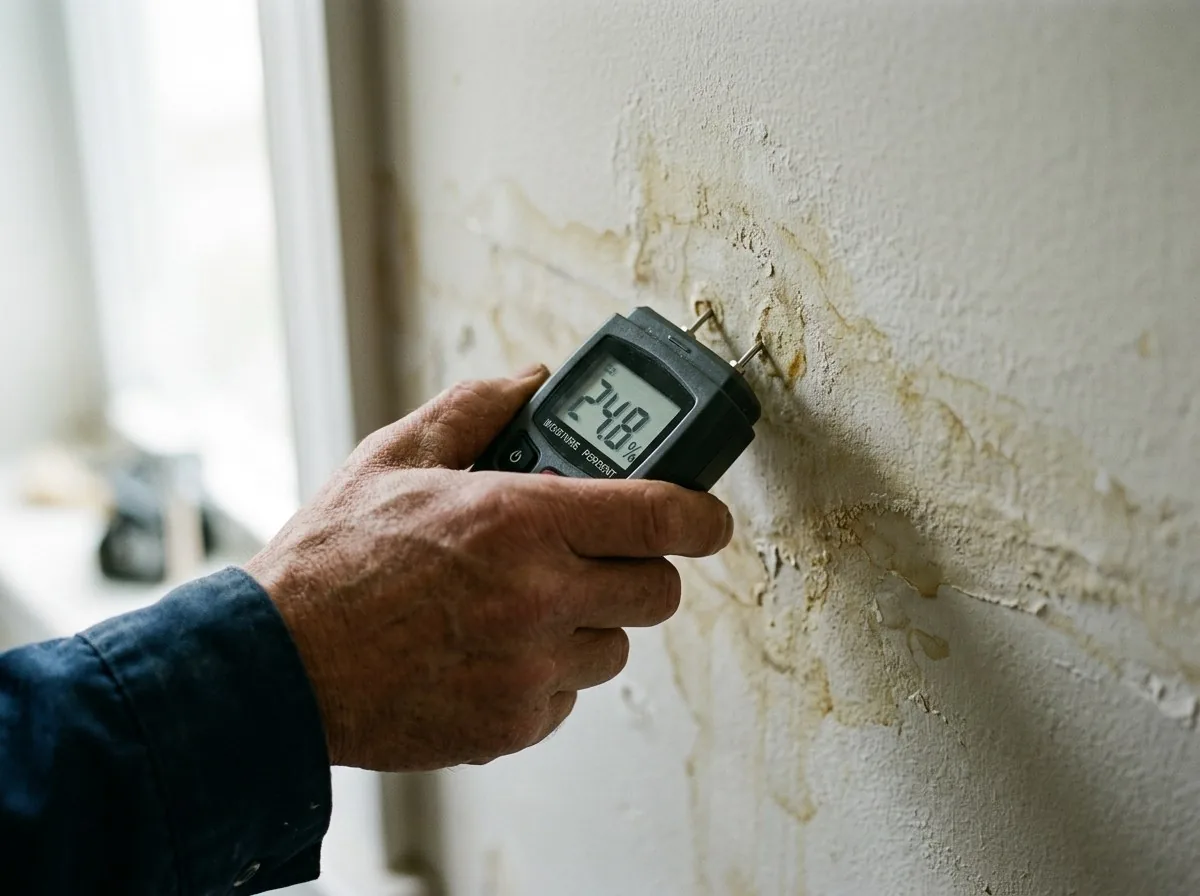
Testing is not a substitute for fixing moisture. It may help answer a focused question, but source control, drying, and material assessment come first.
Why this problem is easy to underestimate
Mold concerns are usually best addressed by finding the moisture source and determining what materials are affected. A test alone does not clean or dry a building.
A negative sample does not prove a space is dry, and a positive sample does not identify every repair step.
What to check first
- Visible growth, odor, and moisture source.
- Materials and areas affected.
- Whether the purpose is diagnosis, documentation, or reassurance.
What to do next
Fix the source.
Do not disturb visible growth unnecessarily.
Document affected rooms and moisture.
Ask what decision the test is meant to support.
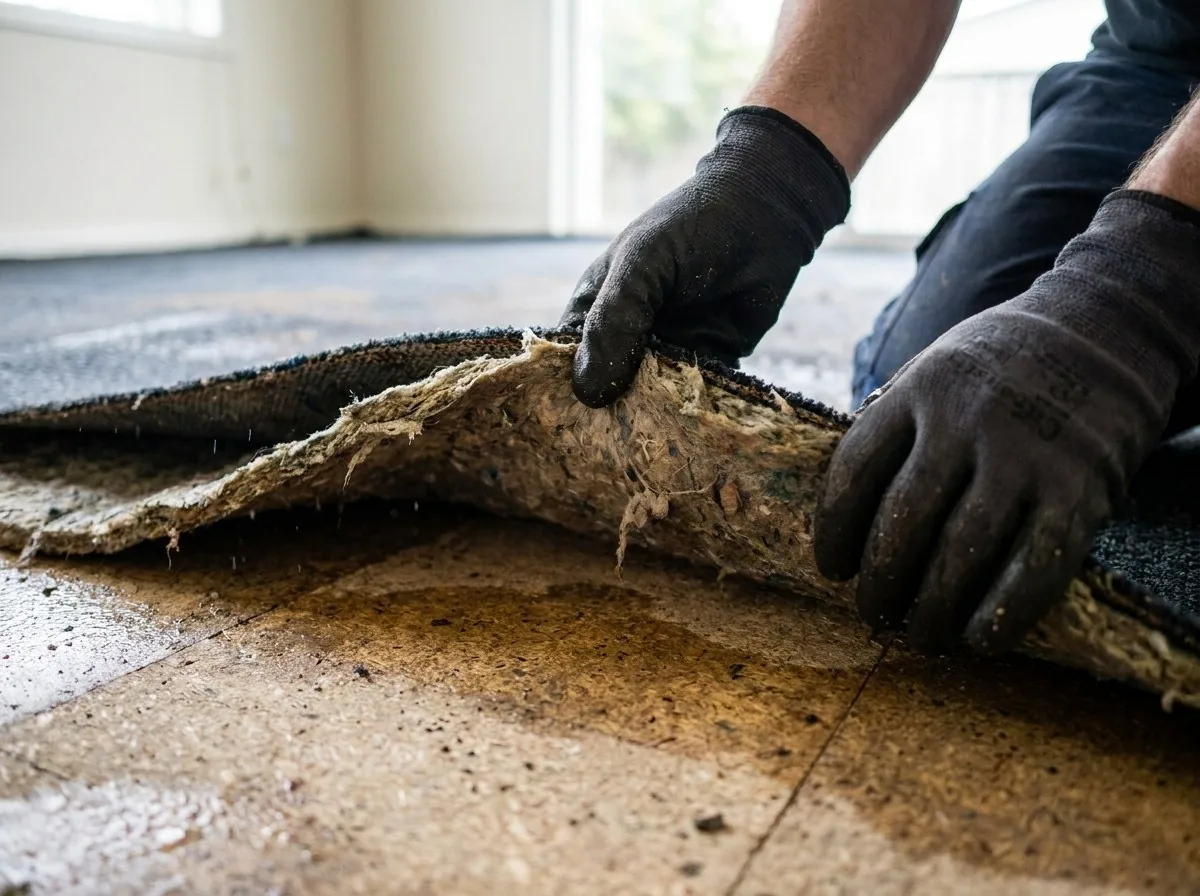
When a professional assessment makes sense
Use qualified remediation when water is extensive or contaminated.
EPA emphasizes moisture control as the foundation of mold prevention.
Frequently Asked Questions
No. The need depends on visible growth, persistent moisture, the scope, and the question you need answered.
No; moisture assessment and material readings address dryness.
Find hidden moisture in cavities, flooring, HVAC, crawl spaces, or contents.
Independent guidance
This page is general education, not insurance, legal, electrical, or medical advice. For safety and moisture-control background, see EPA mold and moisture guidance, EPA flood cleanup guidance, and CDC floodwater safety guidance.
Water is already affecting the property?
Use the emergency guide or call so the situation can be assessed before a small loss becomes a larger repair.