Musty Smell After a Water Leak: Find the Moisture, Not Just the Odor
A musty smell after a leak usually means moisture remains in a material, cavity, HVAC area, crawl space, or contents; deodorizing alone does not solve the source.
Published August 25, 2026 · Updated October 6, 2026 · General education for Indianapolis-area property owners
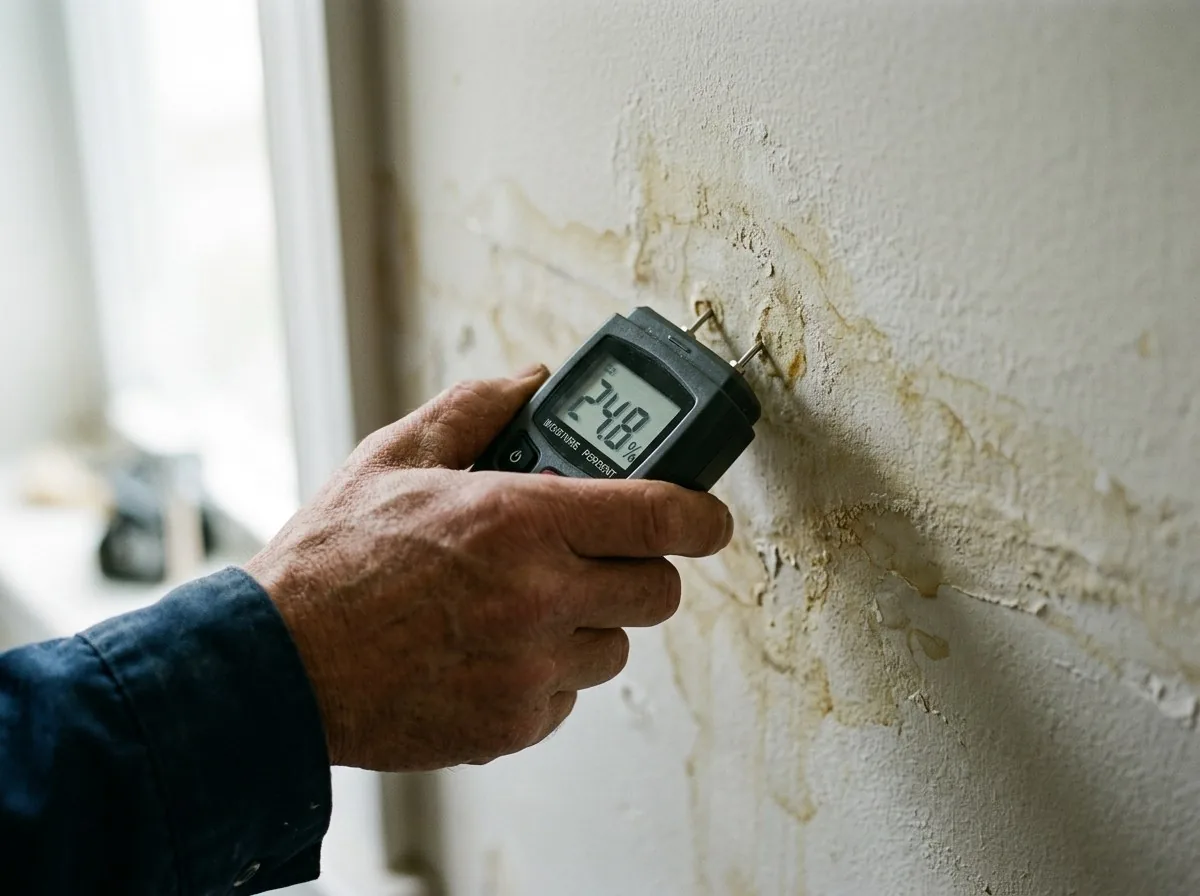
A musty smell after a leak usually means moisture remains in a material, cavity, HVAC area, crawl space, or contents; deodorizing alone does not solve the source.
Why this problem is easy to underestimate
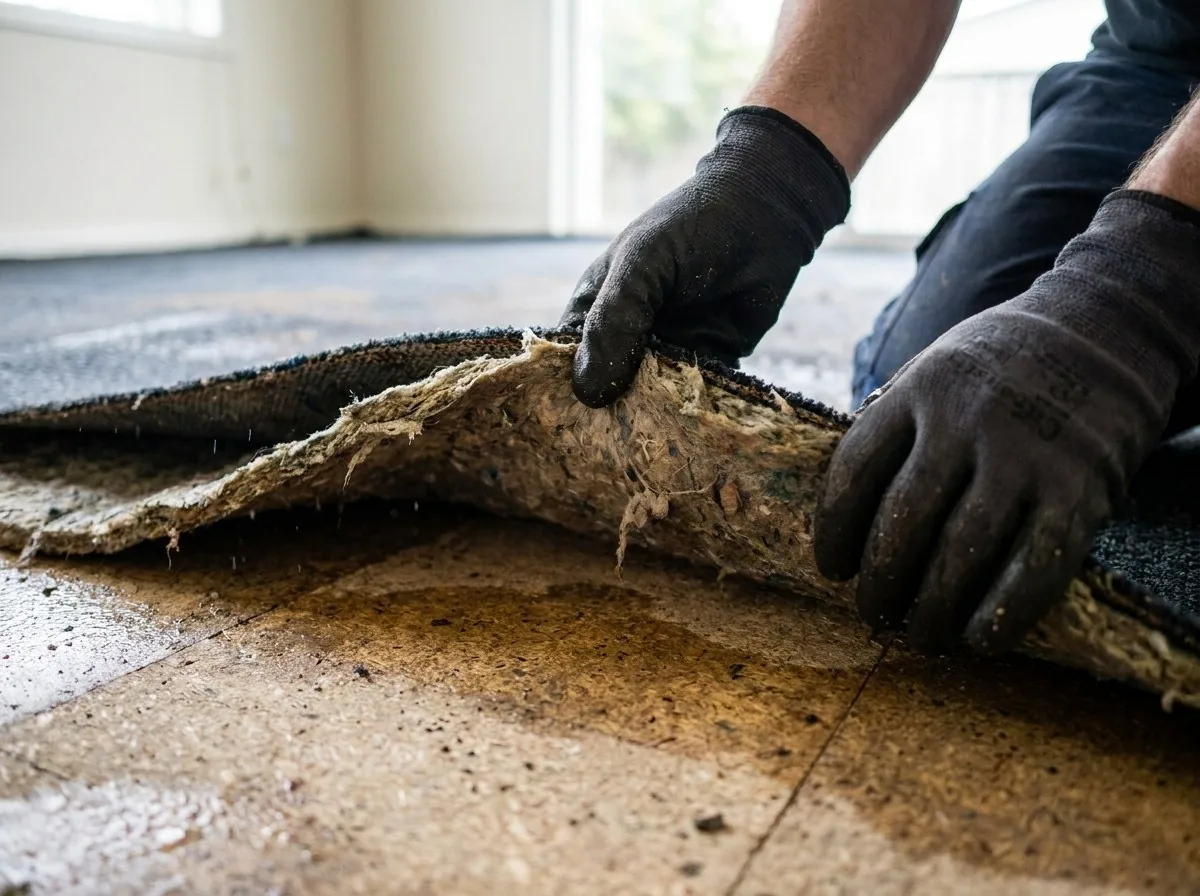
Odor can come from damp drywall, carpet padding, insulation, wood, contents, or a crawl space. Covering it before the source is found can delay the real fix.
Smell travels through air, so the strongest odor may not be exactly where the wet material is.
What to check first
- When the odor began and whether it changes with HVAC use.
- Baseboards, closets, flooring edges, and crawl-space access.
- Any items that were wet but later moved.
What to do next
Look for the source without disturbing unsafe materials.
Check for visible moisture and staining.
Do not use fragrance to mask it.
Request moisture mapping if the source is unclear.
When a professional assessment makes sense
Professional help is useful when odor persists after a leak, especially in closed cavities.
Warm, humid weather can make a small residual moisture problem more noticeable.
Frequently Asked Questions
It may fade while moisture remains; find and dry the source.
It is not a substitute for source control and may not solve porous-material odor.
An assessment can identify residual moisture and affected materials.
Independent guidance
This page is general education, not insurance, legal, electrical, or medical advice. For safety and moisture-control background, see EPA mold and moisture guidance, EPA flood cleanup guidance, and CDC floodwater safety guidance.
Water is already affecting the property?
Use the emergency guide or call so the situation can be assessed before a small loss becomes a larger repair.