Water Damage Classes Explained (Class 1–4)
Separate from contamination category, restoration professionals also classify jobs by how much moisture is actually involved — here's what that means.
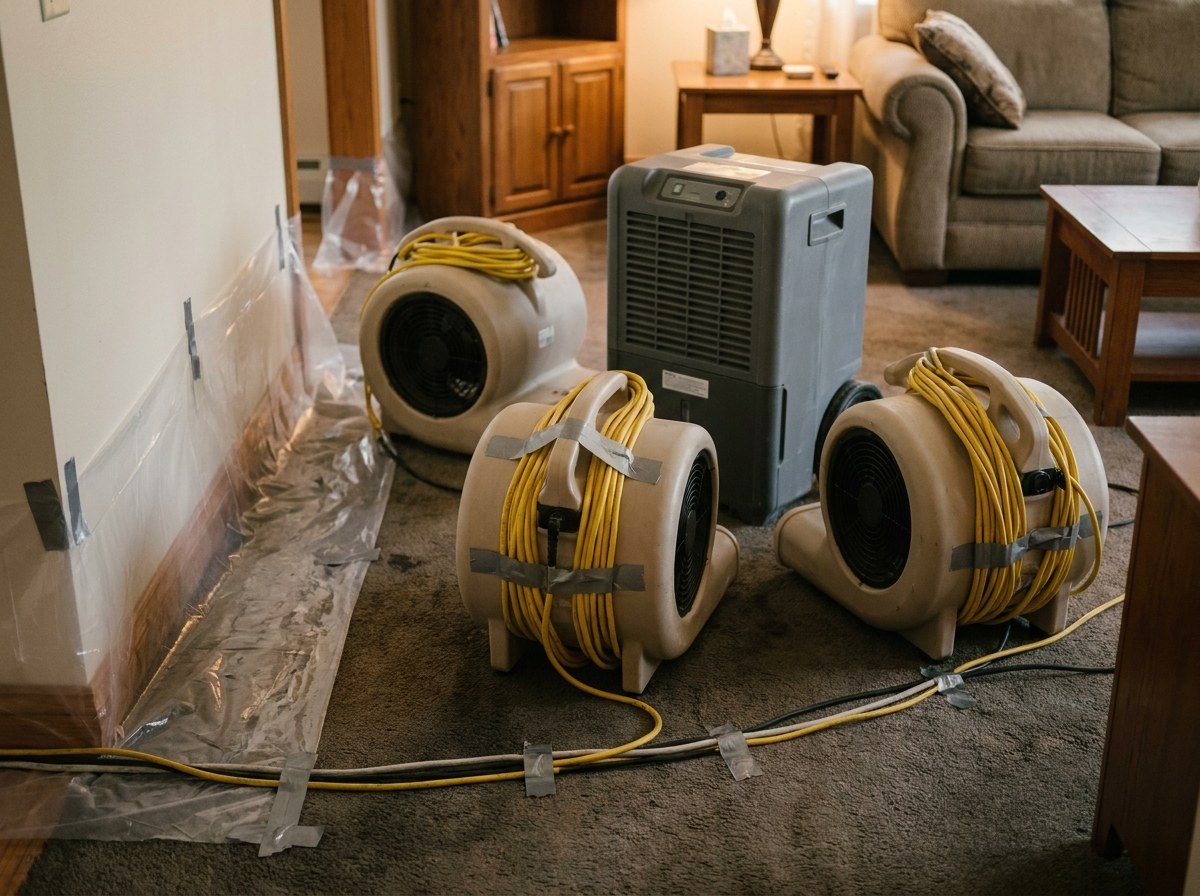
Where water damage category describes contamination level, class describes something different: how much moisture is actually present and how much material has absorbed it, which drives how much equipment and time a job will need. The two systems work together but answer different questions.
Class 1: Least Moisture
Only part of a room is affected, and materials involved have low permeance — minimal water absorbed. A small, contained spill on tile or a limited area of carpet with padding still mostly dry. This class typically dries fastest and needs the least equipment.
Class 2: Large Amount of Moisture
An entire room or more is affected, water has wicked up walls at least a few inches, and moisture has traveled into structural materials like subflooring or wall cavities. This is a common classification for a moderate basement flood or a room where water sat for a period before extraction began.
Class 3: Greatest Amount of Moisture
Water came from overhead — a ceiling or roof failure — and has saturated walls, insulation, carpet, and subfloor throughout the affected area. This class generally requires the most extensive equipment and the longest drying timeline, since moisture has typically penetrated multiple material layers.
Class 4: Specialty Drying Situations
Water has been absorbed into low-permeance materials like hardwood, plaster, concrete, or brick, which release moisture much more slowly than drywall or carpet. These situations often require specialized drying equipment and considerably more time — sometimes weeks rather than days.
Why This Distinction Is Useful to Know
Class explains why two jobs with the exact same category of water can have very different timelines and equipment needs. A Category 1 (clean) Class 3 job — clean water that's saturated an entire ceiling and walls — can take longer to dry than a Category 2 Class 1 job with limited, contained moisture.
Frequently Asked Questions
Generally yes, since higher classes mean more equipment running for longer and more materials that may need removal. See our guide on what drives restoration cost for the full picture.
Want to know the actual class and category of your situation?
A professional assessment gives you real answers, not guesses.