Frozen Pipe Water Damage: What to Do Before Thawing Makes It Worse
If a pipe may be frozen, keep the area safe, know where the water shutoff is, and avoid unsafe heating methods; a burst can release water when the pipe thaws.
Published August 25, 2026 · Updated October 6, 2026 · General education for Indianapolis-area property owners
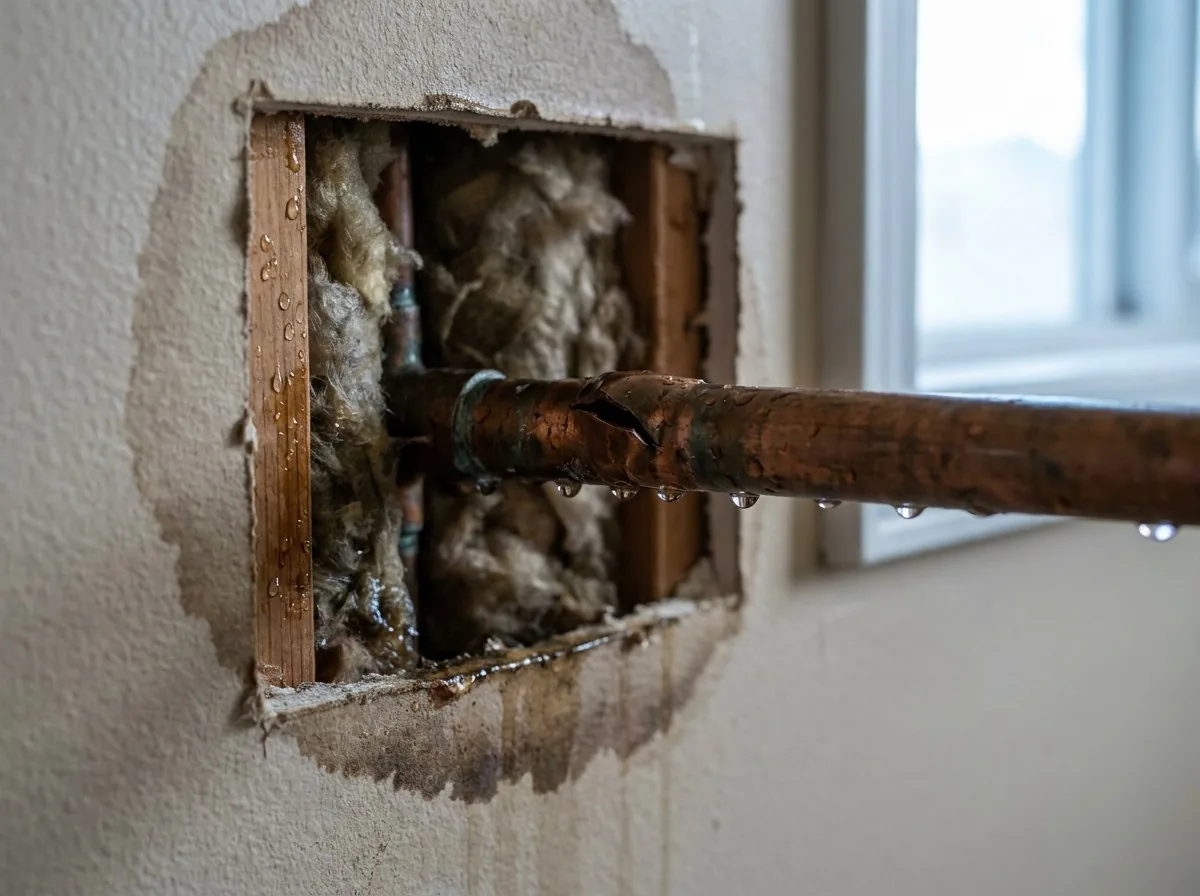
If a pipe may be frozen, keep the area safe, know where the water shutoff is, and avoid unsafe heating methods; a burst can release water when the pipe thaws.
Why this problem is easy to underestimate
A frozen pipe may not leak until pressure or thawing opens the break. The safest response is controlled source management and qualified inspection.
Indiana freeze-thaw cycles can stress exterior walls, crawl spaces, garages, and unheated rooms.
What to check first
- Which pipe or fixture is affected.
- Whether water is active or only pressure is lost.
- Nearby electrical, appliances, and finished materials.
What to do next
Open a faucet only if safe and recommended.
Do not use an open flame.
Know the main shutoff location.
Call a plumber/restoration responder when a pipe breaks or water reaches the structure.
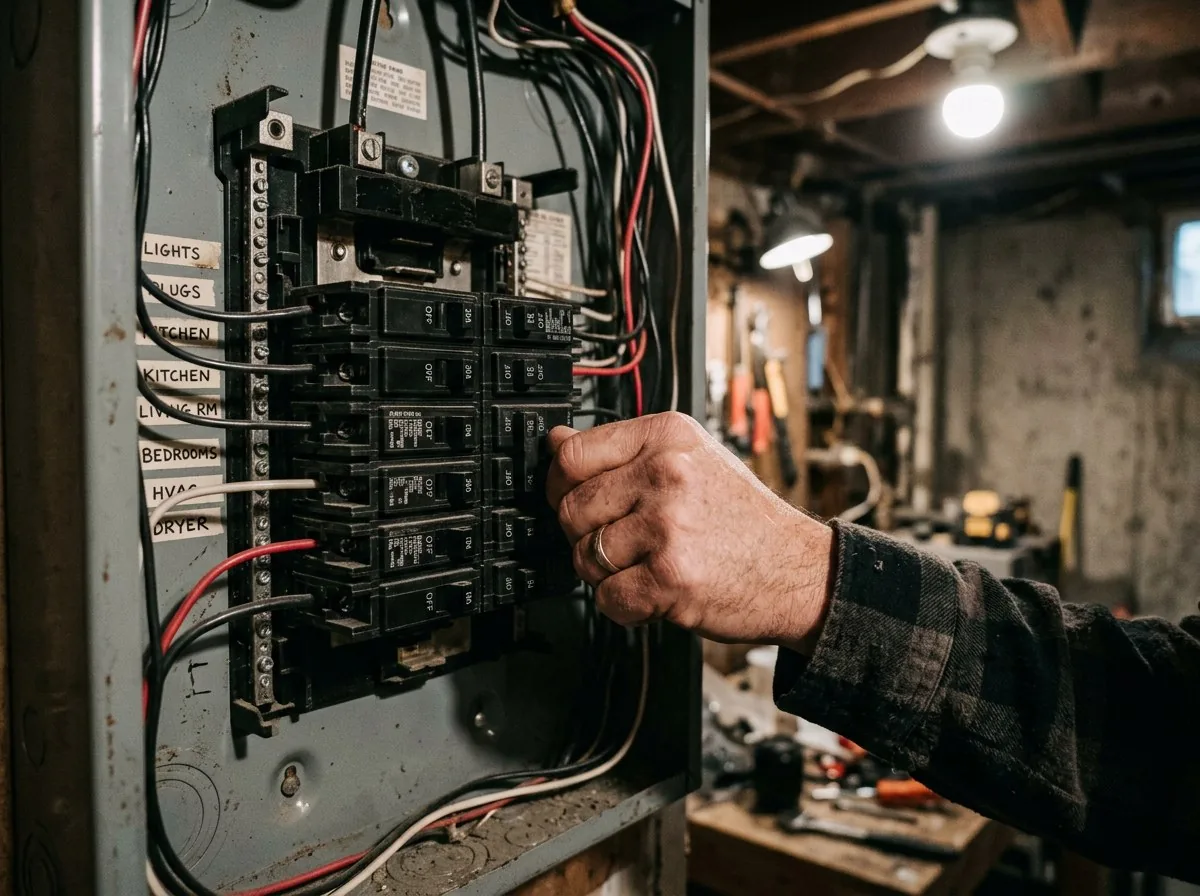
When a professional assessment makes sense
Prompt extraction and drying protect materials after the pipe is repaired.
Winterizing pipes before severe cold is easier than responding to a burst.
Frequently Asked Questions
No. Open flames create a fire risk.
No, but a frozen line can fail as it thaws or pressure changes.
Stop the source if possible and get qualified help rather than opening the wall blindly.
Independent guidance
This page is general education, not insurance, legal, electrical, or medical advice. For safety and moisture-control background, see EPA mold and moisture guidance, EPA flood cleanup guidance, and CDC floodwater safety guidance.
Water is already affecting the property?
Use the emergency guide or call so the situation can be assessed before a small loss becomes a larger repair.