Ice Maker Line Leak: The Small Connection That Can Wet a Kitchen
Shut off the ice maker supply if safe, move the refrigerator only with proper help, and check flooring, cabinets, and the room behind the wall.
Published August 25, 2026 · Updated October 6, 2026 · General education for Indianapolis-area property owners
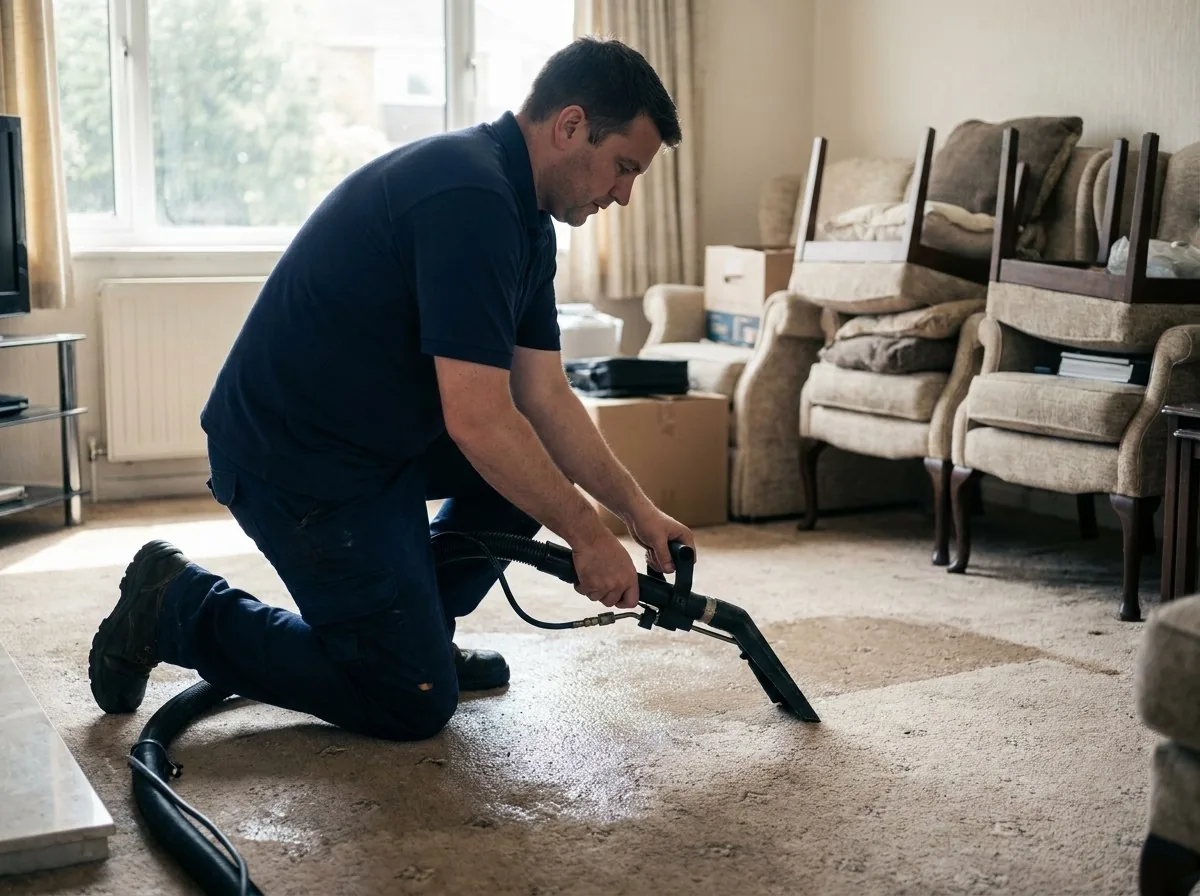
Shut off the ice maker supply if safe, move the refrigerator only with proper help, and check flooring, cabinets, and the room behind the wall.
Why this problem is easy to underestimate
Ice-maker lines can leak slowly for a long time or fail suddenly. Because the refrigerator hides the connection, the first visible sign may be flooring movement or cabinet swelling.
A small line can create a large hidden footprint under a refrigerator and adjacent cabinets.
What to check first
- Connection at the wall and refrigerator.
- Flooring beneath and beside the appliance.
- Cabinet base and wall behind the refrigerator.
What to do next
Stop the supply if safe.
Do not plug in wet equipment.
Photograph the line and flooring.
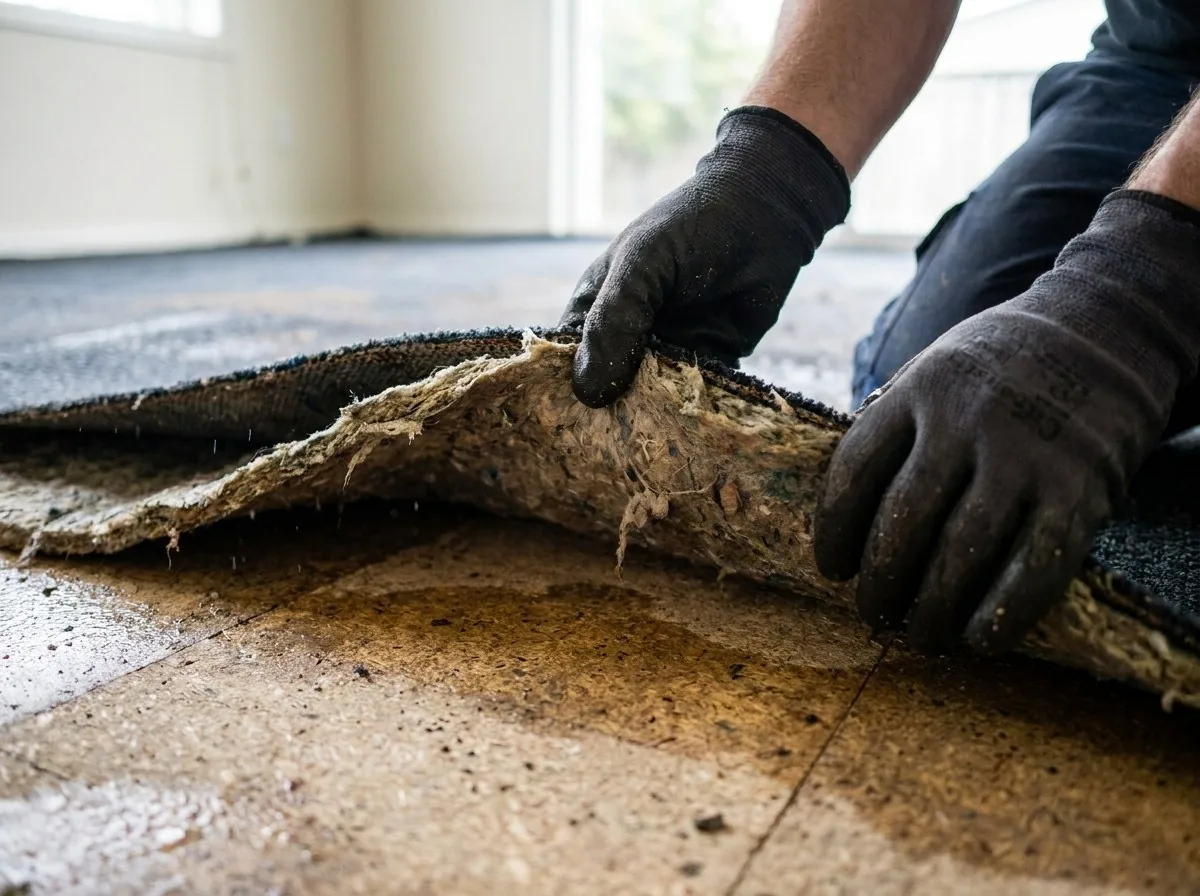
Request moisture checks before replacing finish materials.
When a professional assessment makes sense
A plumber or appliance technician stops the source; restoration help addresses remaining moisture.
Kitchen flooring transitions can carry water into open living areas.
Frequently Asked Questions
Yes. Water can sit beneath the refrigerator and spread under the finish.
Use safe, qualified help; do not drag a heavy appliance across wet flooring.
A technician can assess the connection and routing.
Independent guidance
This page is general education, not insurance, legal, electrical, or medical advice. For safety and moisture-control background, see EPA mold and moisture guidance, EPA flood cleanup guidance, and CDC floodwater safety guidance.
Water is already affecting the property?
Use the emergency guide or call so the situation can be assessed before a small loss becomes a larger repair.