Toilet Supply-Line Leak: Floor Damage, Shutoff, and Cleanup Steps
Close the toilet supply valve if safe, stop using the fixture, and check flooring, baseboards, the room below, and any nearby cabinet or wall cavity.
Published August 25, 2026 · Updated October 6, 2026 · General education for Indianapolis-area property owners
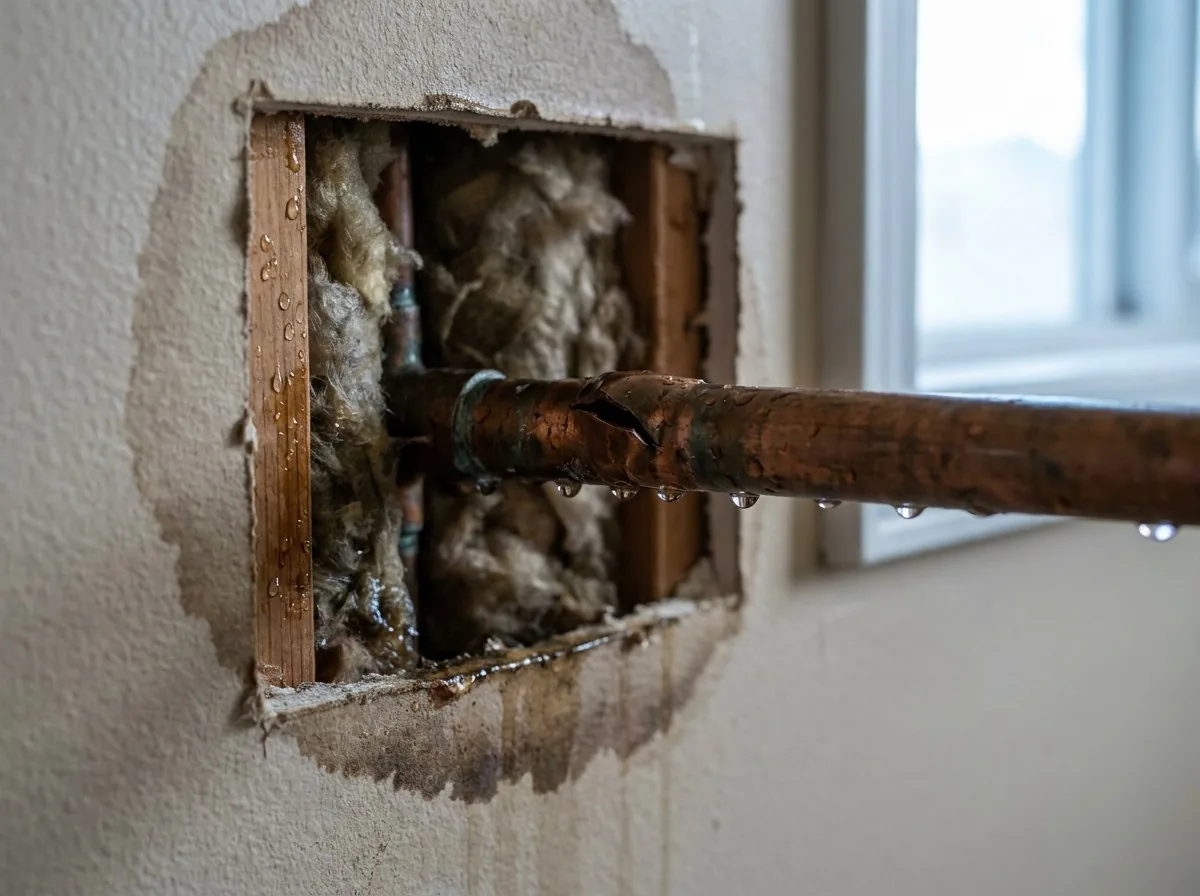
Close the toilet supply valve if safe, stop using the fixture, and check flooring, baseboards, the room below, and any nearby cabinet or wall cavity.
Why this problem is easy to underestimate
A toilet supply-line leak can wet the floor quickly and may run beneath the finish before it is visible. The source is small; the assembly around it may not be.
Bathrooms often have trim and flooring that hide the edge of the water. A leak above a finished room can also affect the ceiling below.
What to check first
- Supply valve and connector.
- Floor around the toilet and baseboard.
- Ceiling or wall below the bathroom.
What to do next
Close the valve if safe.
Do not flush or use the toilet.
Photograph the line and floor.
Request moisture checks when materials remain damp.
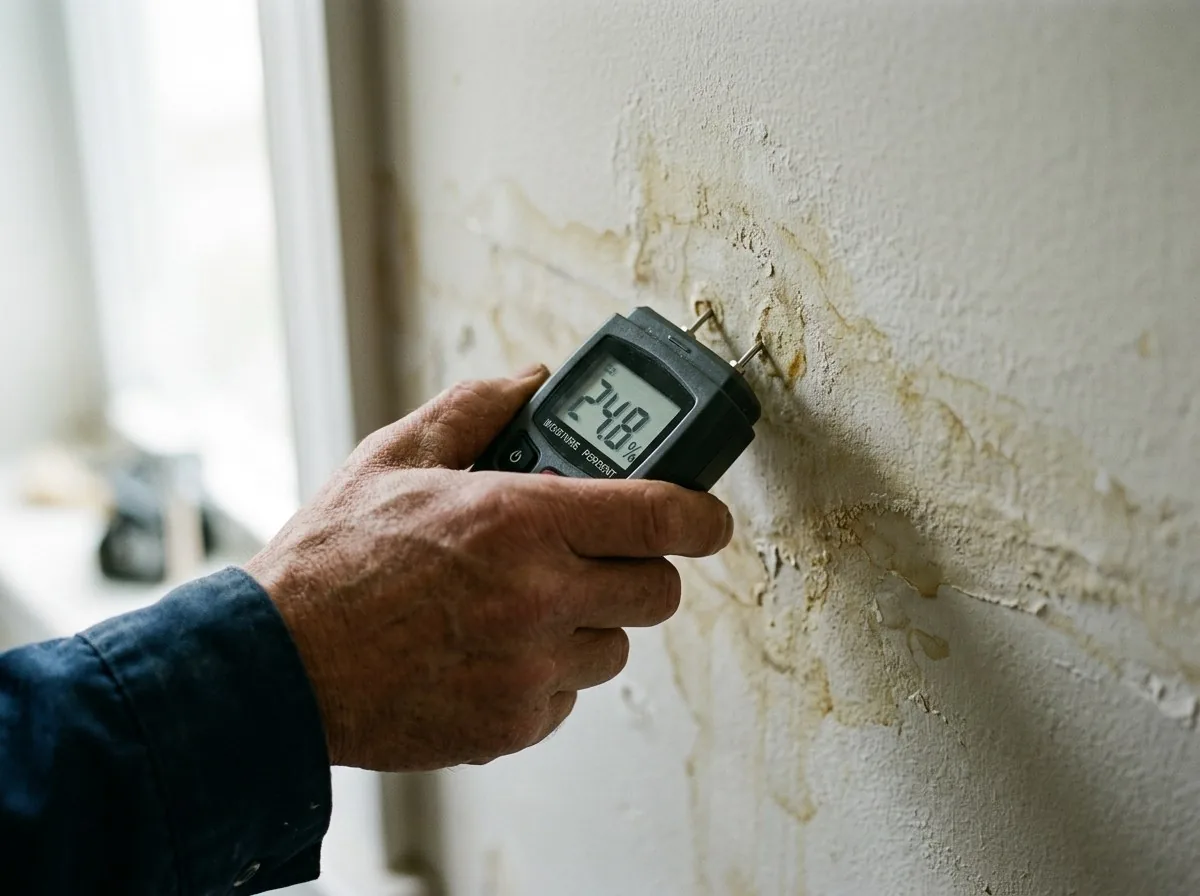
When a professional assessment makes sense
A plumber stops the source; restoration help checks and dries the building.
Older bathrooms may have multiple layers of flooring or repaired subfloors.
Frequently Asked Questions
The supply water may be clean, but the floor and materials can pick up contaminants.
Only with qualified plumbing and repair guidance.
Yes, if water reaches the floor assembly.
Independent guidance
This page is general education, not insurance, legal, electrical, or medical advice. For safety and moisture-control background, see EPA mold and moisture guidance, EPA flood cleanup guidance, and CDC floodwater safety guidance.
Water is already affecting the property?
Use the emergency guide or call so the situation can be assessed before a small loss becomes a larger repair.