Bathtub Overflow Water Damage: What to Check Under the Floor
After a tub overflow, stop the water, photograph the bathroom and ceiling below, and check whether water reached the floor assembly, walls, or insulation.
Published August 25, 2026 · Updated October 6, 2026 · General education for Indianapolis-area property owners
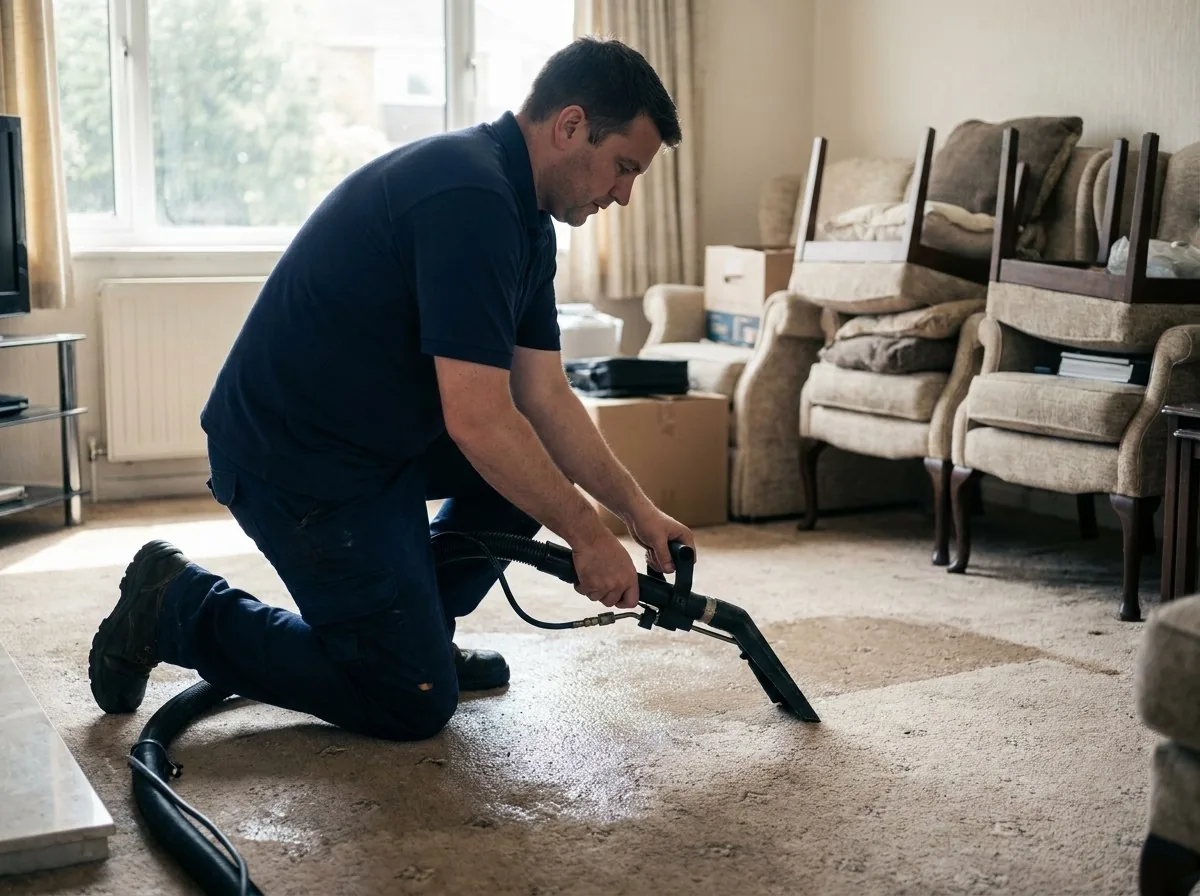
After a tub overflow, stop the water, photograph the bathroom and ceiling below, and check whether water reached the floor assembly, walls, or insulation.
Why this problem is easy to underestimate
An overflow can spread across a bathroom floor and into edges, baseboards, and the room below before the surface is fully dry.
The tub may appear fine while the subfloor or ceiling below holds moisture.
What to check first
- The overflow location and duration.
- Floor edges, baseboards, and cabinets.
- The room and ceiling below.
What to do next
Stop the water and keep the bathroom unused.
Dry surface water only if safe.
Photograph the room and level below.
Request assessment if the floor or ceiling remains damp.
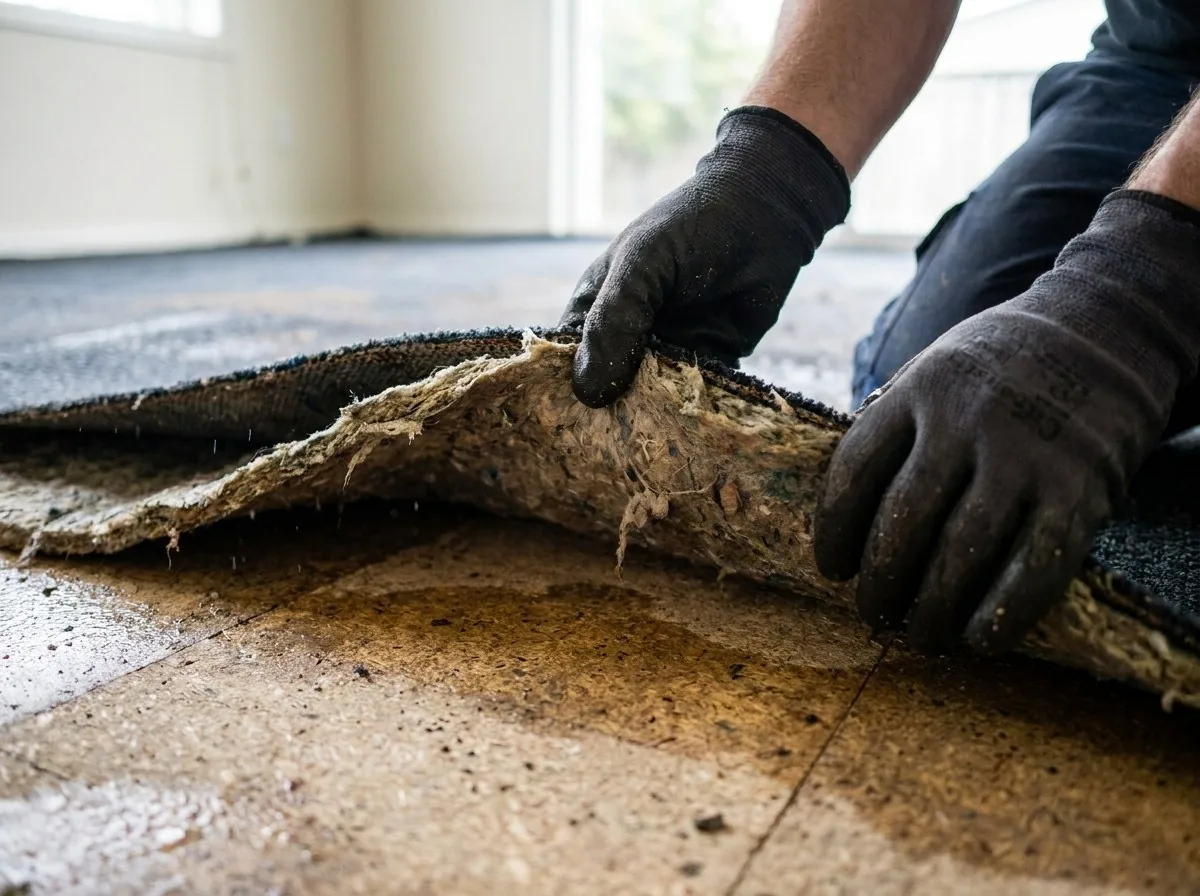
When a professional assessment makes sense
If the overflow reached a ceiling cavity or insulation, professional drying helps avoid closing wet materials.
Multi-level homes need a check below the bathroom even when the ceiling stain is delayed.
Frequently Asked Questions
Yes, water can pass through joints and penetrations.
Usually not; first identify the source and moisture extent.
When water reached flooring, walls, ceilings, or hidden cavities.
Independent guidance
This page is general education, not insurance, legal, electrical, or medical advice. For safety and moisture-control background, see EPA mold and moisture guidance, EPA flood cleanup guidance, and CDC floodwater safety guidance.
Water is already affecting the property?
Use the emergency guide or call so the situation can be assessed before a small loss becomes a larger repair.