Water Softener Leak: Salt, Water, and Basement Cleanup Steps
A water softener leak can release water near a basement wall, floor drain, or electrical equipment. Stop the supply when safe and treat salt-contaminated water as a material-cleanup issue.
Published August 25, 2026 · Updated October 6, 2026 · General education for Indianapolis-area property owners
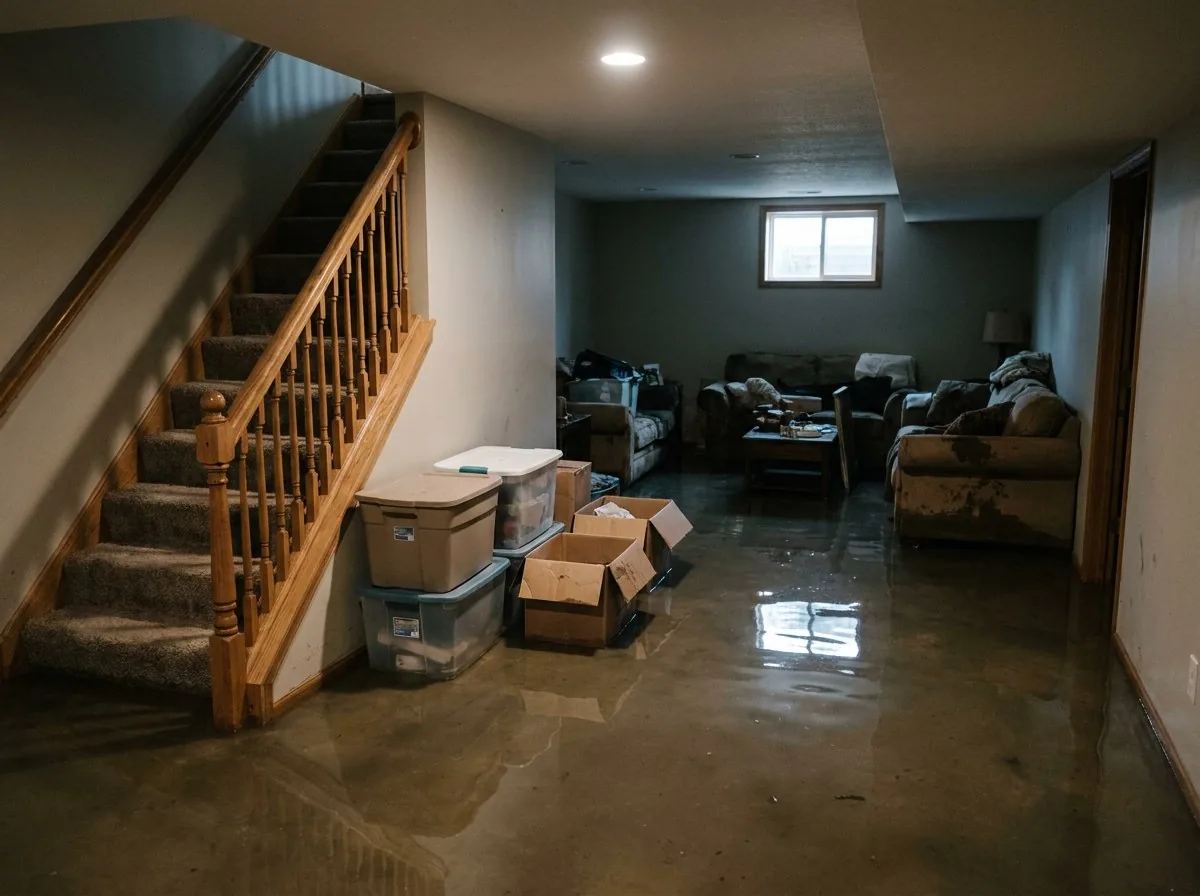
A water softener leak can release water near a basement wall, floor drain, or electrical equipment. Stop the supply when safe and treat salt-contaminated water as a material-cleanup issue.
Why this problem is easy to underestimate
The leak may come from the bypass, drain line, brine tank, or connection. Water and salt can affect flooring, concrete, metal, and stored contents differently.
Basement utility areas often combine appliances, electrical, stored materials, and floor drains.
What to check first
- Leak source and whether water is still active.
- Salt or brine contact with flooring and contents.
- Nearby electrical and mechanical equipment.
What to do next
Stop the source if safe.
Keep away from wet electrical equipment.
Photograph the tank, line, and water path.
Do not spread salt water into clean areas.
When a professional assessment makes sense
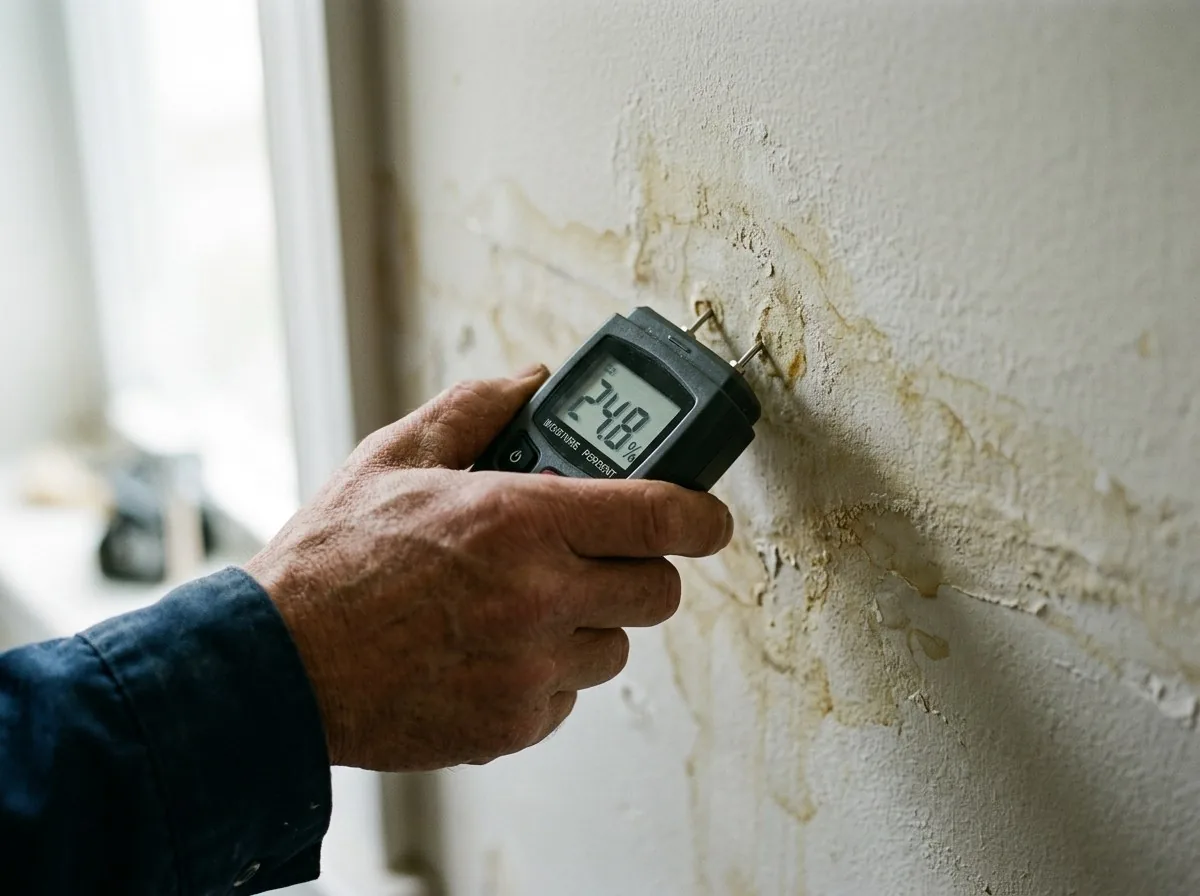
Request an assessment when flooring, walls, or contents are affected.
A restoration responder can address the building materials while a water-treatment professional repairs the unit.
Frequently Asked Questions
It can affect finishes, metal, and contents; document and clean the area appropriately.
Do not move plumbing equipment while it is leaking.
If building materials or contents are wet, assessment is useful.
Independent guidance
This page is general education, not insurance, legal, electrical, or medical advice. For safety and moisture-control background, see EPA mold and moisture guidance, EPA flood cleanup guidance, and CDC floodwater safety guidance.
Water is already affecting the property?
Use the emergency guide or call so the situation can be assessed before a small loss becomes a larger repair.