Water Damage in New Construction: What to Document Before Closing
After a new-construction leak, document the source, affected assemblies, drying, repairs, and communication with the builder before finishes conceal the work.
Published August 25, 2026 · Updated October 6, 2026 · General education for Indianapolis-area property owners
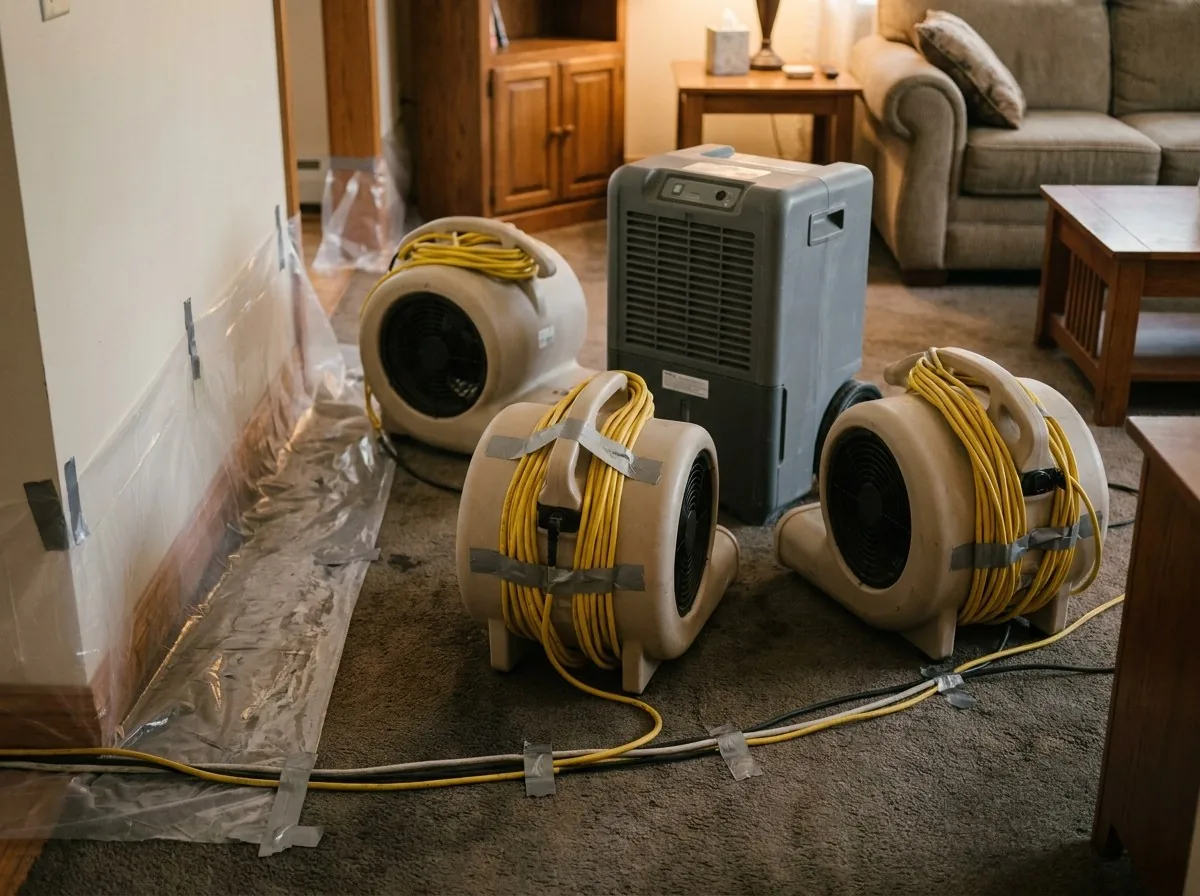
After a new-construction leak, document the source, affected assemblies, drying, repairs, and communication with the builder before finishes conceal the work.
Why this problem is easy to underestimate
New materials can still be damaged by plumbing, roof, HVAC, or weather water. The cleanest record is made before drywall, flooring, and cabinets are repaired.
Construction schedules can create pressure to move quickly, but a hidden wet cavity can create a later warranty dispute.
What to check first
- The source and date discovered.
- Which trades or rooms were affected.
- Moisture readings and materials removed or replaced.
What to do next
Photograph the condition before repairs.
Notify the builder or responsible party in writing.
Ask for drying and repair records.
Do not close cavities before moisture is verified.
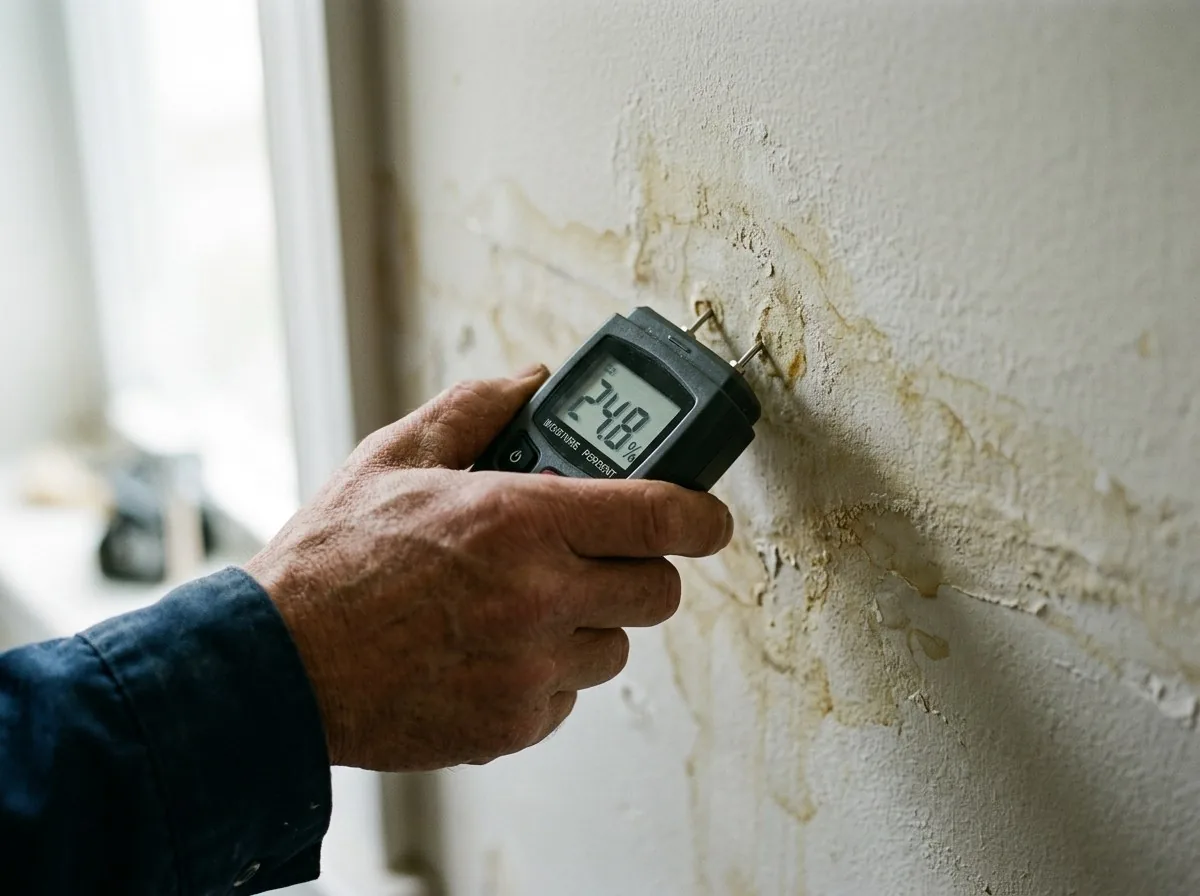
When a professional assessment makes sense
Keep a copy of every work order and inspection.
Newer subdivisions around Central Indiana often have active trades and multiple responsible parties. A room-by-room record reduces confusion.
Frequently Asked Questions
The builder or warranty process may coordinate it, but the property still needs a safe, documented response.
Only after the affected assembly is dry and the source is corrected.
Photos, dates, moisture records, invoices, and written communication.
Independent guidance
This page is general education, not insurance, legal, electrical, or medical advice. For safety and moisture-control background, see EPA mold and moisture guidance, EPA flood cleanup guidance, and CDC floodwater safety guidance.
Water is already affecting the property?
Use the emergency guide or call so the situation can be assessed before a small loss becomes a larger repair.