Water Damage in Older Indianapolis Homes: Hidden Paths to Check
Older Indianapolis homes may have layered flooring, plaster, old plumbing, and tight cavities that change how water travels and dries.
Published August 25, 2026 · Updated October 6, 2026 · General education for Indianapolis-area property owners
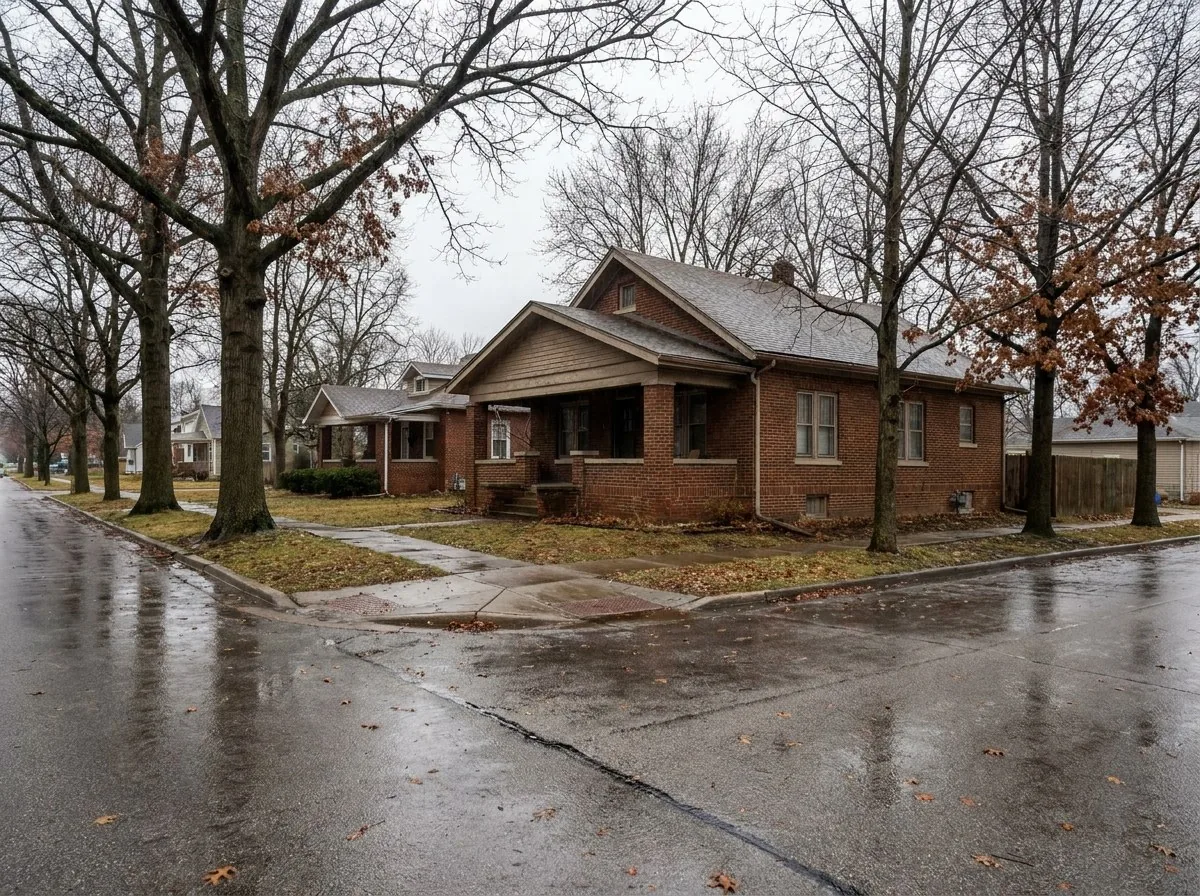
Older Indianapolis homes may have layered flooring, plaster, old plumbing, and tight cavities that change how water travels and dries.
Why this problem is easy to underestimate
The age of a house does not determine the damage, but it changes what may be hidden behind finishes and where a leak can move.
Plaster, hardwood, multiple floor layers, and past repairs can make visual inspection misleading.
What to check first
- Old supply lines, galvanized or repaired plumbing, and attic or crawl spaces.
- Layered floors, plaster, and wood trim.
- Rooms below kitchens, bathrooms, and laundry areas.
What to do next
Document the room and any visible repair history.
Stop the source when safe.
Avoid opening historic finishes before assessment.
Ask what materials are behind the visible surface.
When a professional assessment makes sense
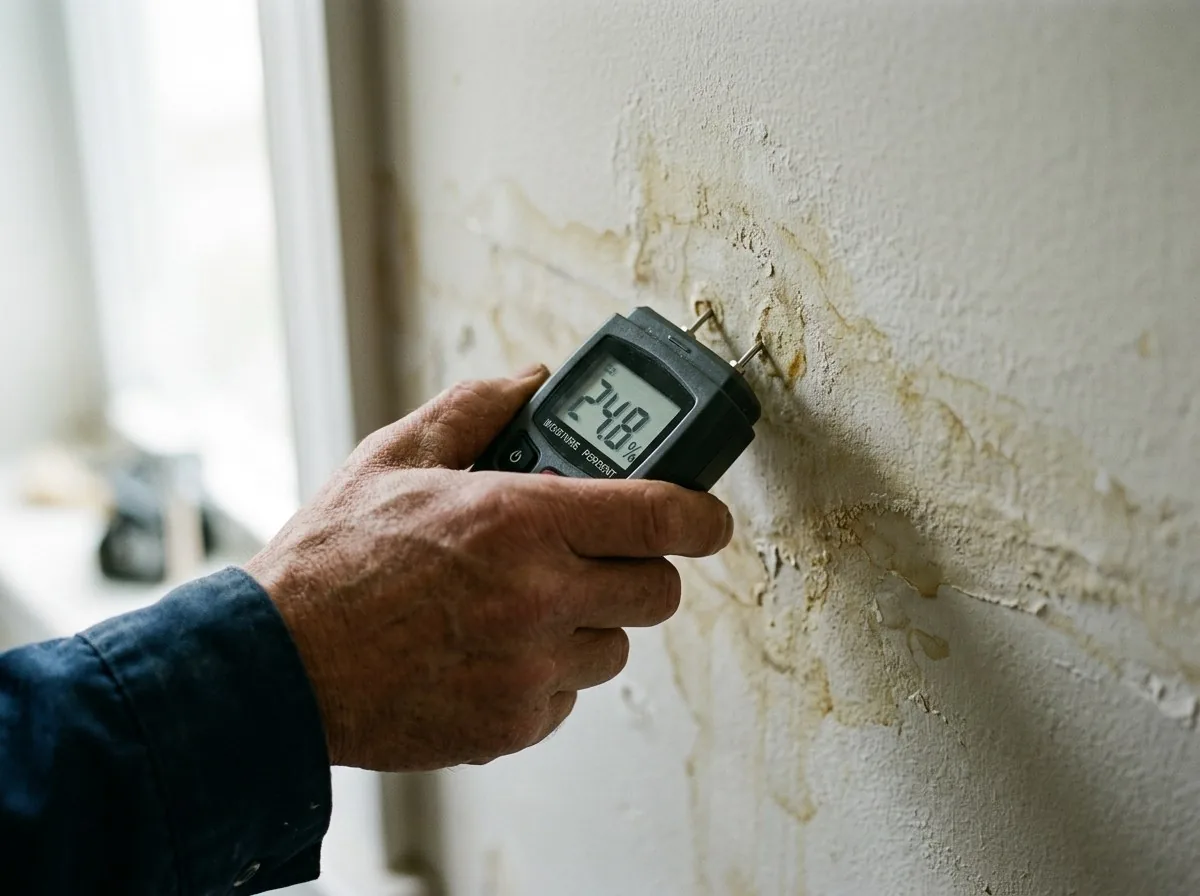
Use moisture mapping before replacing large areas.
Older homes in Indianapolis often need a slower, more careful assessment because the assembly is not obvious.
Frequently Asked Questions
They can be, depending on layers, cavities, and material condition.
Not automatically; assess the source, moisture, and condition.
It can, so source repair and maintenance history matter.
Independent guidance
This page is general education, not insurance, legal, electrical, or medical advice. For safety and moisture-control background, see EPA mold and moisture guidance, EPA flood cleanup guidance, and CDC floodwater safety guidance.
Water is already affecting the property?
Use the emergency guide or call so the situation can be assessed before a small loss becomes a larger repair.