Water Damage Restoration Cost Factors: What Changes the Scope
Restoration scope depends on water volume, source, materials, time, access, contents, contamination, and repair complexity—not just room size.
Published August 25, 2026 · Updated October 6, 2026 · General education for Indianapolis-area property owners
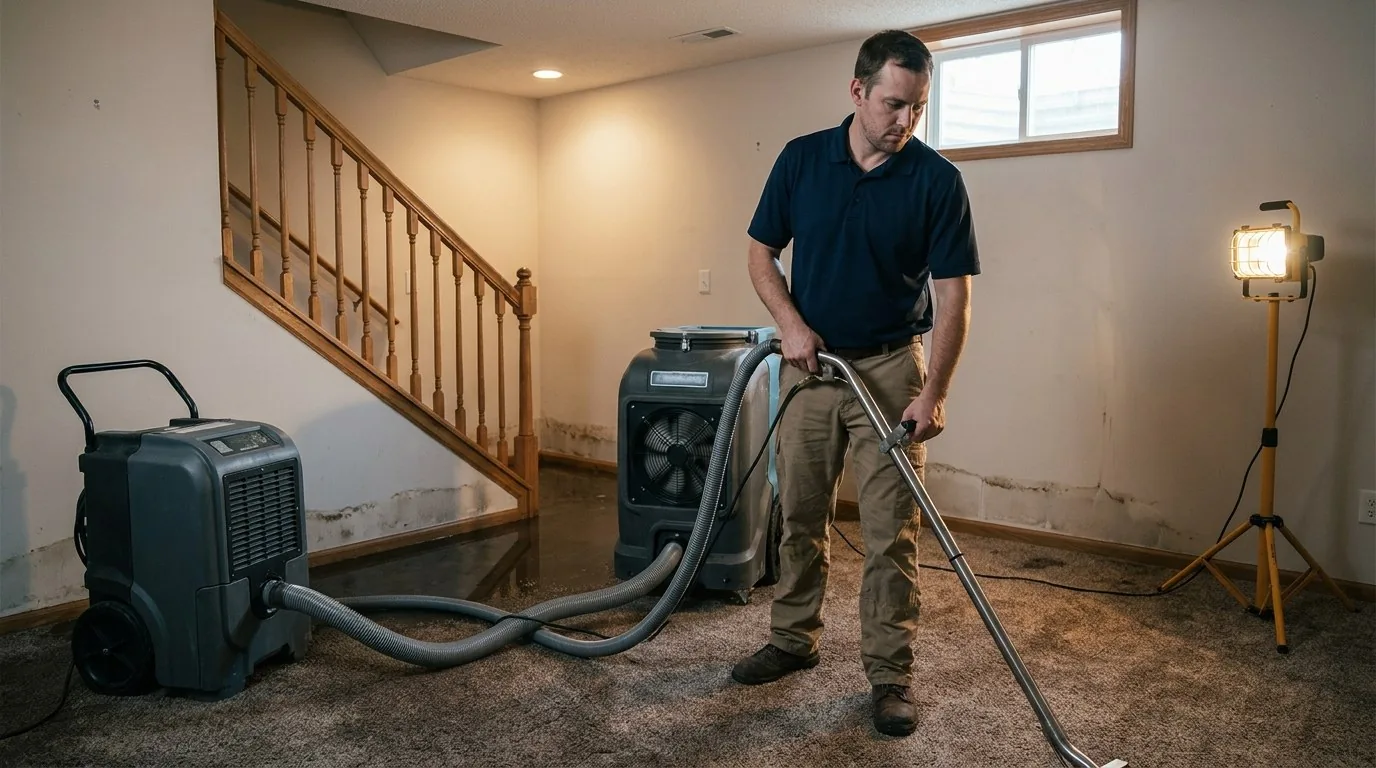
Restoration scope depends on water volume, source, materials, time, access, contents, contamination, and repair complexity—not just room size.
Why this problem is easy to underestimate
A useful estimate explains what is included in emergency work, drying, demolition, cleaning, contents, and reconstruction.
Two rooms of the same size can have very different costs if one has clean supply water and the other has sewage or hidden cavity damage.
What to check first
- Source and water type.
- Materials and affected square footage.
- Contents, access, and repair complexity.
What to do next
Document the condition.
Ask for a written scope.
Separate emergency mitigation from reconstruction.
Review what is included before authorizing work.
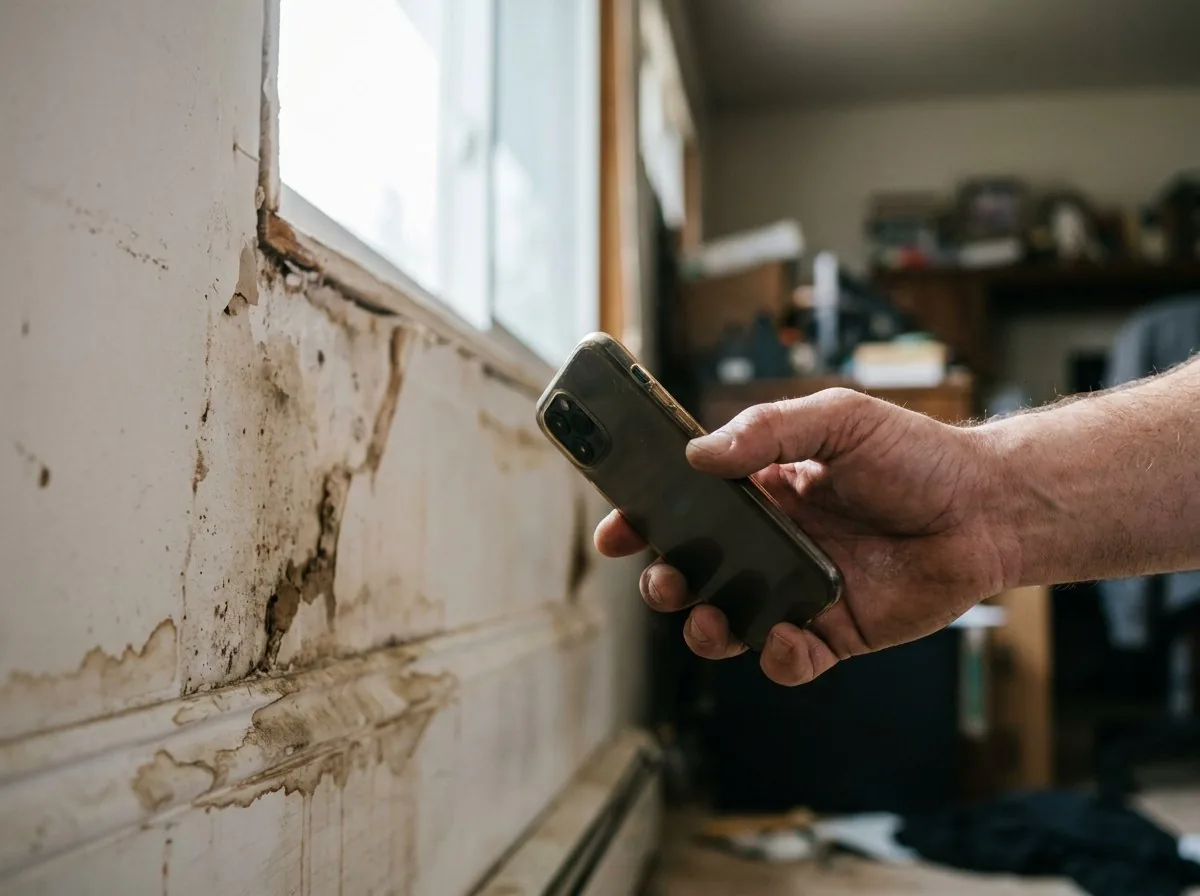
When a professional assessment makes sense
Keep estimates and change explanations.
A local assessment is more useful than a generic online calculator.
Frequently Asked Questions
It varies; hidden materials, contamination, contents, and reconstruction can change scope.
Usually emergency mitigation and reconstruction are separate scopes, but ask the provider.
Compare scope, exclusions, drying documentation, and who is responsible for each trade.
Independent guidance
This page is general education, not insurance, legal, electrical, or medical advice. For safety and moisture-control background, see EPA mold and moisture guidance, EPA flood cleanup guidance, and CDC floodwater safety guidance.
Water is already affecting the property?
Use the emergency guide or call so the situation can be assessed before a small loss becomes a larger repair.