Water Damage Under a Bathroom Vanity: A Practical Inspection Guide
How to find leaks under a bathroom sink, protect the cabinet and floor, and know when hidden damage needs assessment.
Published and updated August 25, 2026 · General education for Indianapolis-area property owners
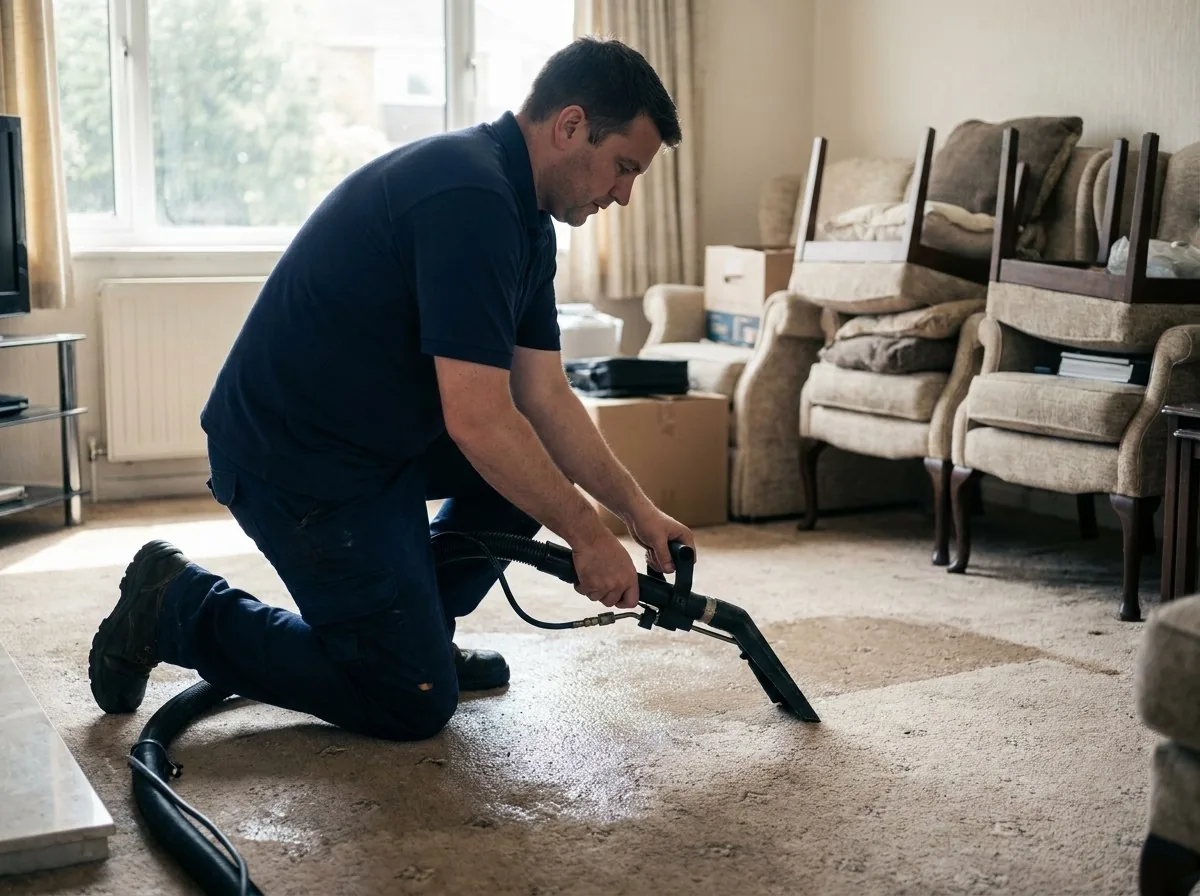
Check the shutoff valves, supply lines, drain trap, cabinet floor, baseboard, and flooring around the vanity. If water reached the wall or floor assembly, the visible cabinet damage may not be the whole problem.
Why this problem is easy to underestimate
Vanity cabinets are dark, enclosed, and often built over finished flooring. A small supply-line drip can swell the cabinet base and wick into drywall before it is noticed.
A slow drain leak may create a different pattern from a pressurized supply-line failure, but both deserve a close look if the cabinet or floor has changed.
What to check first
- The supply connections and shutoff valves.
- The drain trap, cabinet bottom, and back wall.
- Baseboards, flooring transitions, and the room on the other side of the wall.
What to do next
Stop using the sink and close the supply valve if safe.
Empty the cabinet carefully and photograph items before discarding anything.
Use a flashlight to look for swelling, staining, and dampness.
Call for an assessment if flooring or drywall remains damp or soft.
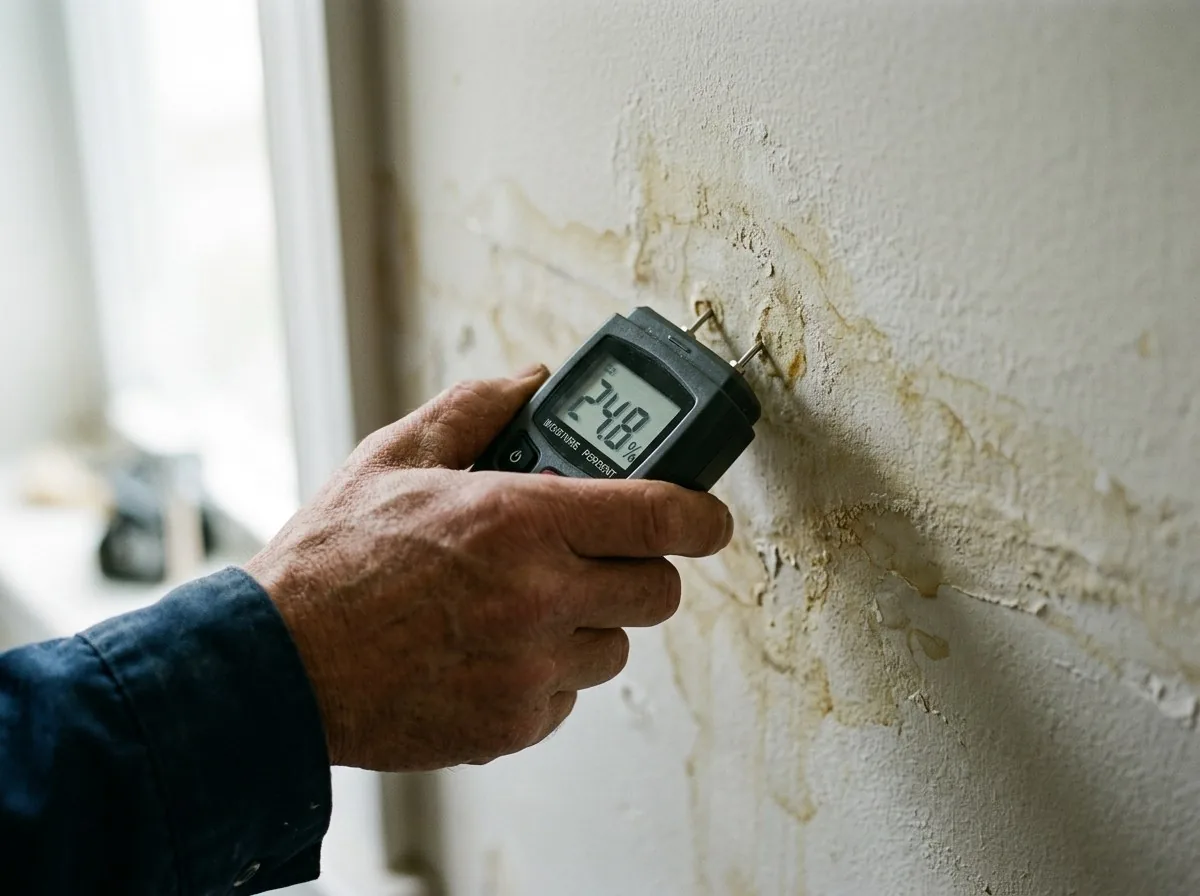
When a professional assessment makes sense
A professional assessment makes sense when the leak continued overnight, the vanity is built into a larger cabinet run, or the wall and floor materials show changes. Drying a cabinet without checking the structure can leave moisture behind.
Indianapolis-area context
Older Indianapolis homes may have multiple plumbing repairs hidden in a small vanity cabinet. If the source is unclear, share photos of the valves, trap, wall, and floor with the responder.
Frequently Asked Questions
Sometimes, but swollen particleboard may not return to shape. The floor and wall below also need to be checked.
Document it first and identify the source. Replacement before drying can hide damage and complicate the claim.
Treat it as a pressurized plumbing loss, stop the source safely, and inspect the adjacent floor and baseboard.
Independent guidance
This page is general education, not insurance, legal, electrical, or medical advice. For safety and moisture-control background, see EPA mold and moisture guidance, EPA flood cleanup guidance, and CDC floodwater safety guidance.
Water is already affecting the property?
Use the emergency guide or call so the situation can be assessed before a small loss becomes a larger repair.