Water-Damaged Drywall: Repair or Replace?
Drywall's response to water depends heavily on how high the water reached and how long it stayed wet.
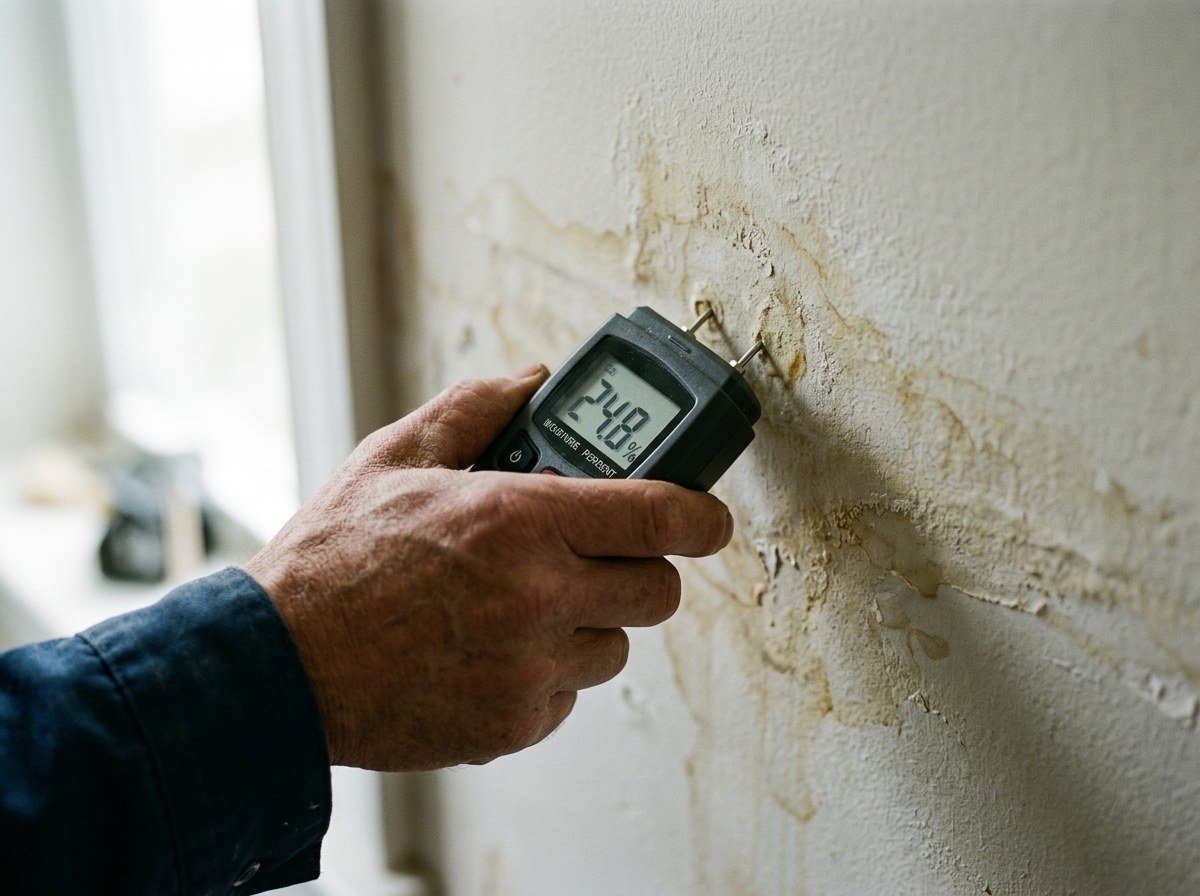
Drywall is made of gypsum sandwiched between paper facing, and its ability to survive water exposure depends heavily on degree and duration. Brief, limited exposure often allows drying in place; saturation or extended exposure usually means removal, because gypsum itself can lose structural integrity once thoroughly wet, and the paper facing is an ideal surface for mold growth.
Generally Salvageable
- Minor exposure at the bottom few inches, caught and dried quickly.
- No visible swelling, sagging, or crumbling.
- Clean water source (Category 1).
Generally Requires Replacement
- Saturation — drywall that was submerged or had standing water against it for an extended period.
- Visible swelling, sagging, or a soft/spongy feel.
- Contaminated water exposure (Category 2 or 3), where cleaning porous drywall to a safe standard isn't reliably achievable.
- Any visible mold growth.
The "Flood Cut" Approach
When drywall needs partial removal, professionals often make a clean horizontal cut a foot or more above the visible water line, rather than just removing the obviously wet section. This accounts for wicking — water travels upward inside the wall further than it appears from the outside — and ensures nothing wet is left behind the new patch.
Wet fiberglass insulation loses most of its effectiveness and is typically replaced regardless of whether the drywall itself is salvageable — worth checking once drywall is opened up for any reason.
Why This Decision Shouldn't Be Rushed Either Way
Removing drywall unnecessarily adds cost and repair work. Leaving drywall that should have been removed risks trapped moisture and mold behind a wall that looks fine from the outside. A moisture meter reading — see our moisture meter guide — is the objective way to make this call rather than guessing from appearance alone.
Frequently Asked Questions
A common standard is 12 inches above the highest visible water mark, though the actual extent should be confirmed with moisture readings rather than a fixed rule, since wicking height varies by material and how long water was in contact with the wall.
Not sure if your drywall needs to come out?
A moisture assessment can settle it before you start cutting into walls.