Water Heater Burst: What to Do in the First Hour
A practical first-hour checklist after a water heater bursts, leaks, or floods a utility room or basement.
Published and updated August 25, 2026 · General education for Indianapolis-area property owners
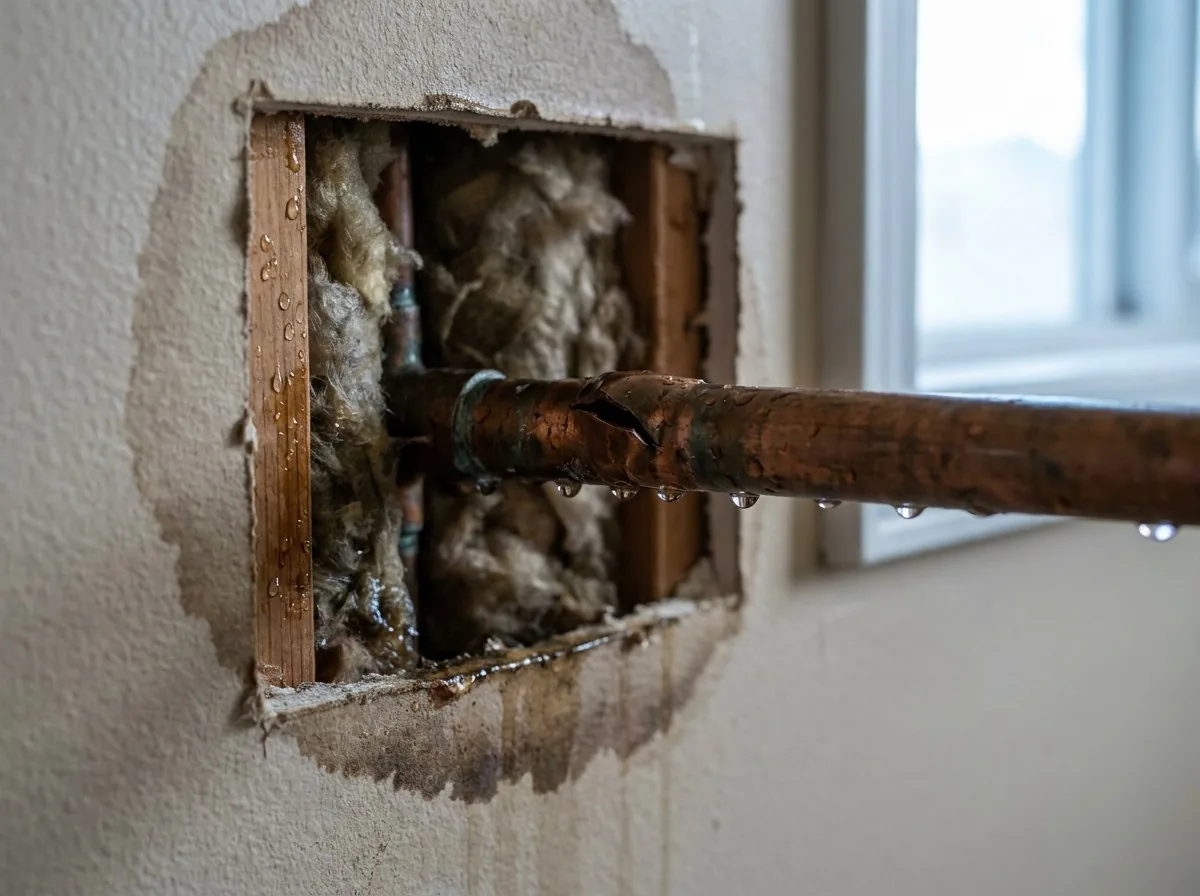
If a water heater bursts, keep people away from wet electrical equipment, stop the water only when it is safe, document the source, and get the building assessed before moving into repair mode.
Why this problem is easy to underestimate
A tank failure can release much more water than the puddle first suggests. Water can run beneath flooring, into baseboards, around the furnace, and into stored belongings.
The first hour is about safety and source control, not deciding whether every wet item should be thrown away. A careful record gives the owner better information for insurance and repair decisions.
What to check first
- Whether water is still active and where the supply shutoff is located.
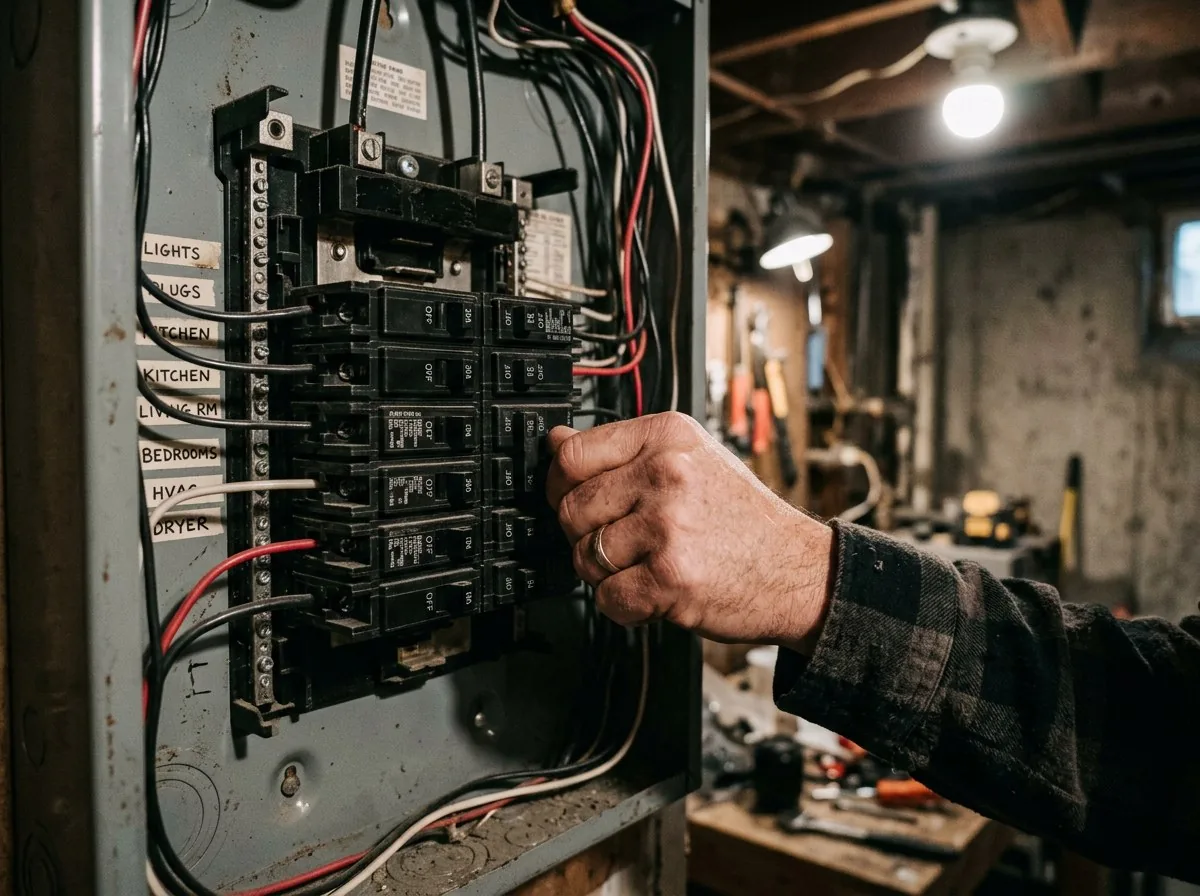
- Whether water reached outlets, panels, appliances, or the furnace.
- Which rooms, floors, cabinets, and belongings show visible or suspected impact.
What to do next
Call emergency maintenance or a qualified plumber/restoration responder if the source is active.
Photograph the tank, fittings, water path, equipment, flooring, and belongings.
Move only lightweight items across a dry, safe path.
Keep wet electronics disconnected and do not touch wet breakers or gas controls.
When a professional assessment makes sense
A professional assessment makes sense when water reached drywall, flooring, insulation, mechanical equipment, or a concealed cavity. It is also useful when the tank is in a finished basement where the visible water is unlikely to show the full footprint.
Ask what will be measured, what will be removed, and how drying progress will be documented.
Indianapolis-area context
Indianapolis basements often combine water heaters, furnaces, storage, and finished flooring in one area. Tell the responder which equipment is nearby and whether the loss happened during freezing weather, a power outage, or a plumbing repair.
Frequently Asked Questions
Only if the equipment is dry and you know the safe shutoff procedure. If it is wet or you are unsure, leave it alone and call qualified help.
Not necessarily, but water may travel farther beneath flooring and into adjacent materials than the visible puddle suggests.
Coverage commonly distinguishes the failed appliance from sudden resulting water damage. Read the policy and document the event.
Independent guidance
This page is general education, not insurance, legal, electrical, or medical advice. For safety and moisture-control background, see EPA mold and moisture guidance, EPA flood cleanup guidance, and CDC floodwater safety guidance.
Water is already affecting the property?
Use the emergency guide or call so the situation can be assessed before a small loss becomes a larger repair.