Wet Carpet: Save It or Replace It?
The carpet itself is often less of a concern than what's underneath it — here's how to think through the decision.
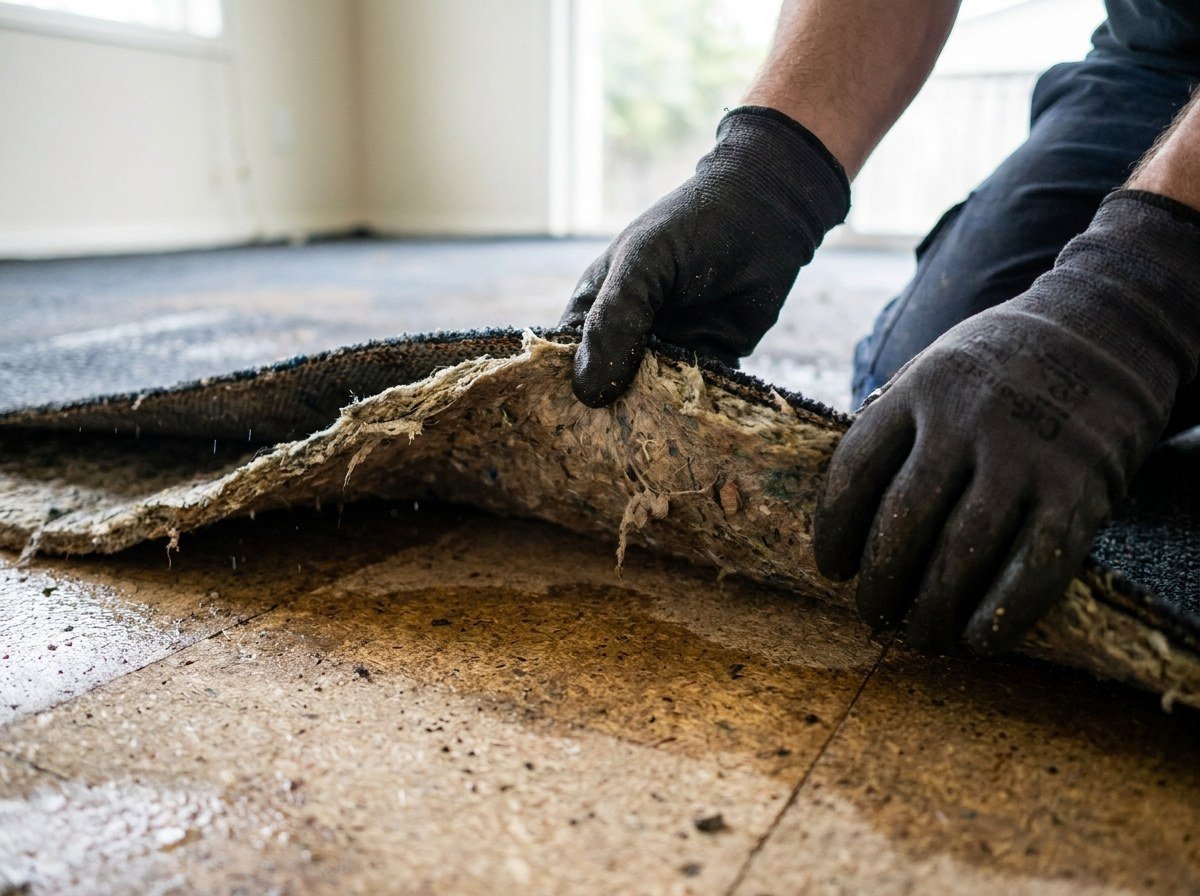
Carpet fibers themselves are actually fairly resilient to water — most synthetic carpet can be cleaned and dried without permanent damage if handled quickly. The real question is almost always about what's underneath: the padding, and by extension, the subfloor beneath that.
Why Padding Is the Real Issue
Carpet padding is essentially a sponge — it absorbs and holds water far more than the carpet itself, and it's much harder to dry in place because airflow can't easily reach it while carpet sits on top. Padding exposed to any significant water is very often removed and replaced rather than dried, even when the carpet above it is salvageable.
When Carpet Can Likely Be Saved
- Clean water exposure (Category 1), caught and extracted within the first 24-48 hours.
- Limited area affected, not a full-room or whole-basement event.
- No visible mold, odor, or delamination of the carpet backing.
When Replacement Is More Likely
- Contaminated water exposure (Category 2 or 3) — see our water damage categories guide.
- Extended exposure time, especially more than 48-72 hours.
- Visible mold growth or a persistent musty odor after drying.
- Carpet backing has separated or delaminated.
The Practical Process
In many cases, carpet is pulled back (not removed entirely) so the padding can be assessed and typically replaced, then the carpet is reinstalled once the subfloor and new padding are confirmed dry. This is often more cost-effective than full carpet replacement when the carpet itself is in good condition.
Frequently Asked Questions
It's technically possible for very minor, quickly-addressed situations, but in practice padding is inexpensive enough relative to the risk of trapped moisture that replacement is the more common and more reliable choice.
Not sure if your carpet is salvageable?
A professional assessment can make that call accurately.