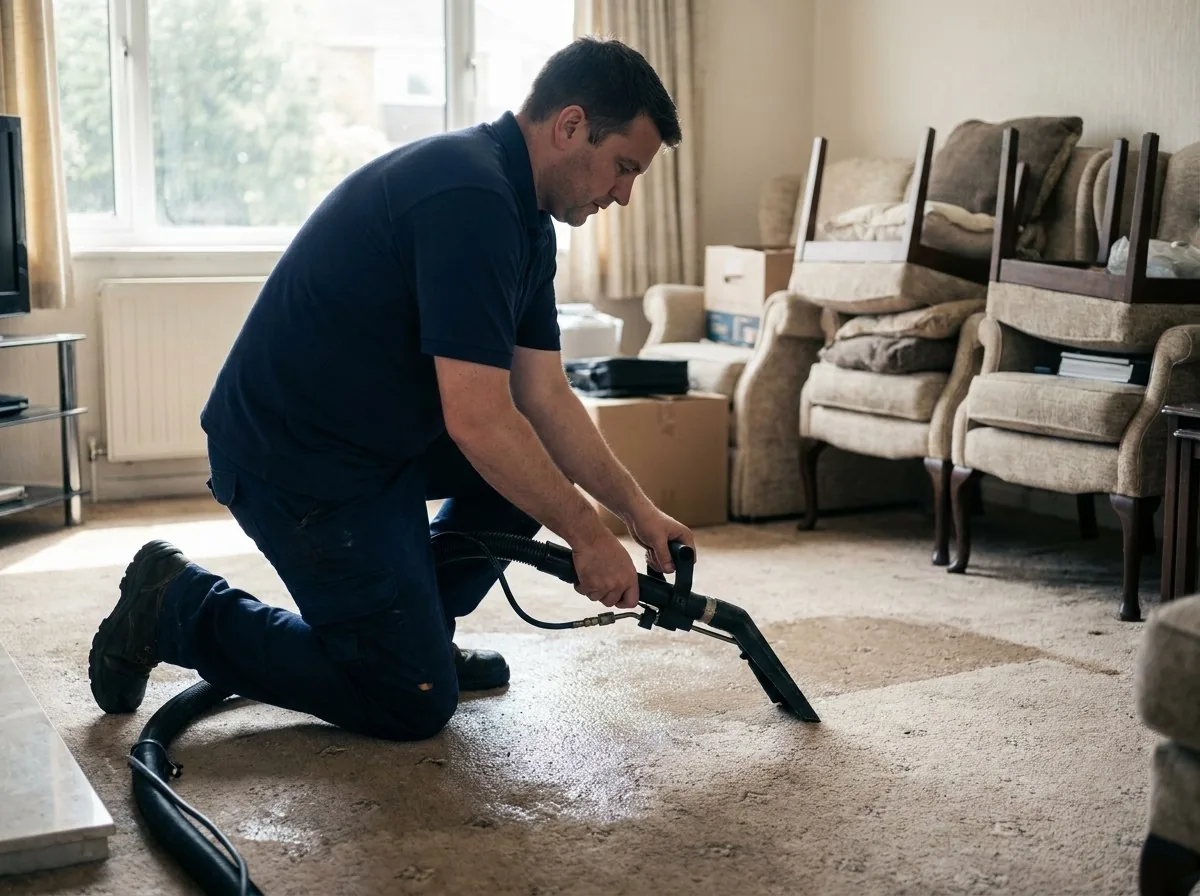
Contents Cleaning and Pack-Out After Water Damage
Belongings are not all handled the same way. Some items can be dried in place, some need controlled cleaning or storage, and others are unsafe or unlikely to recover after contaminated water.
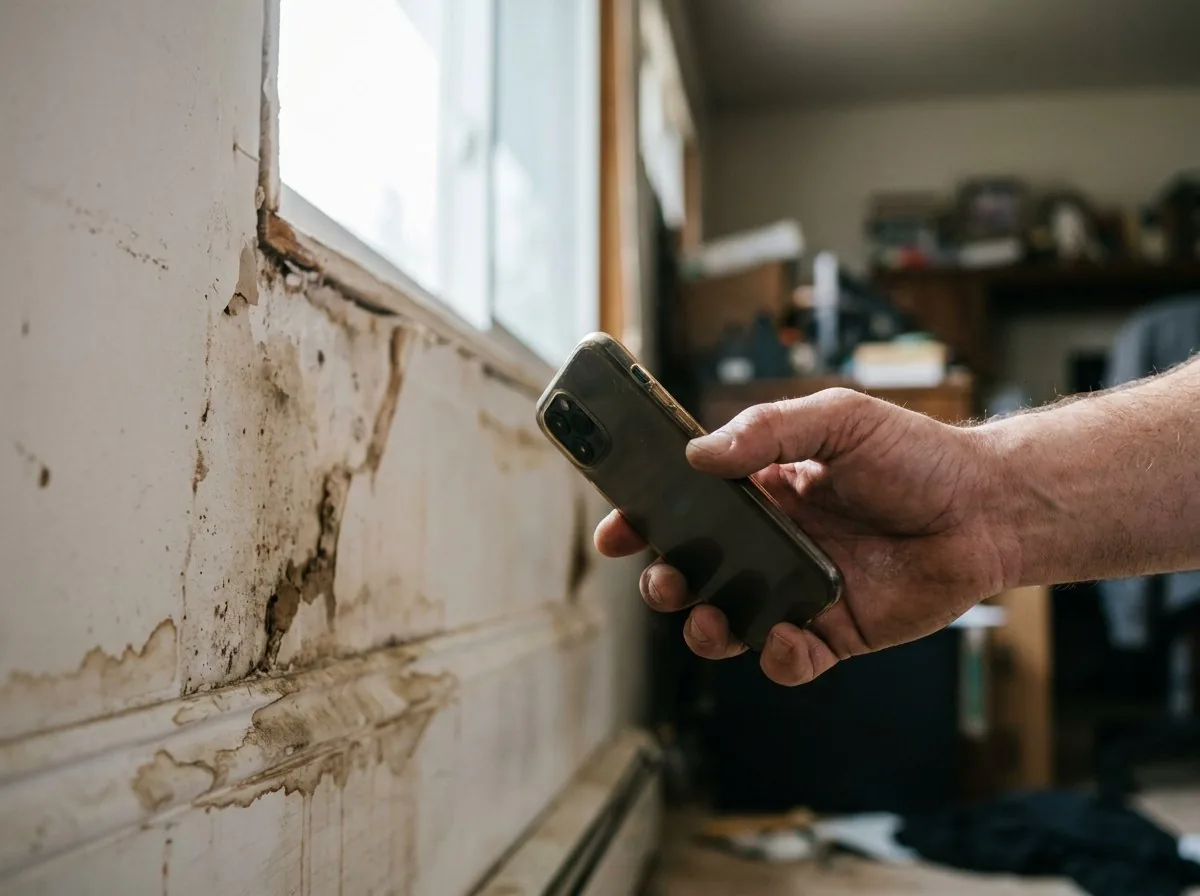
What to do when furniture, books, electronics, clothing, or documents have been affected by water
Separate safety from salvage. Keep people away from contaminated items, photograph everything in place, and avoid discarding high-value or sentimental belongings before they are documented unless they pose an immediate hazard.
Do not plug in wet electronics or handle sewage-contaminated belongings without appropriate protection.
What a responder will look for
The assessment sorts contents by material, water source, condition, value, and handling requirements.
Water source
Clean water, gray water, sewage, and floodwater change what can be safely cleaned.
Material
Paper, upholstered furniture, wood, electronics, and textiles each have different recovery limits.
Documentation
Room-by-room photos, item lists, and condition notes support insurance and decision-making.
Steps that protect people and property
- Photograph rooms and belongings before moving items.
- Keep wet electronics disconnected and away from people.
- Label or group items by room if they must be moved.
- Ask before discarding sentimental or high-value items unless they are an immediate safety hazard.
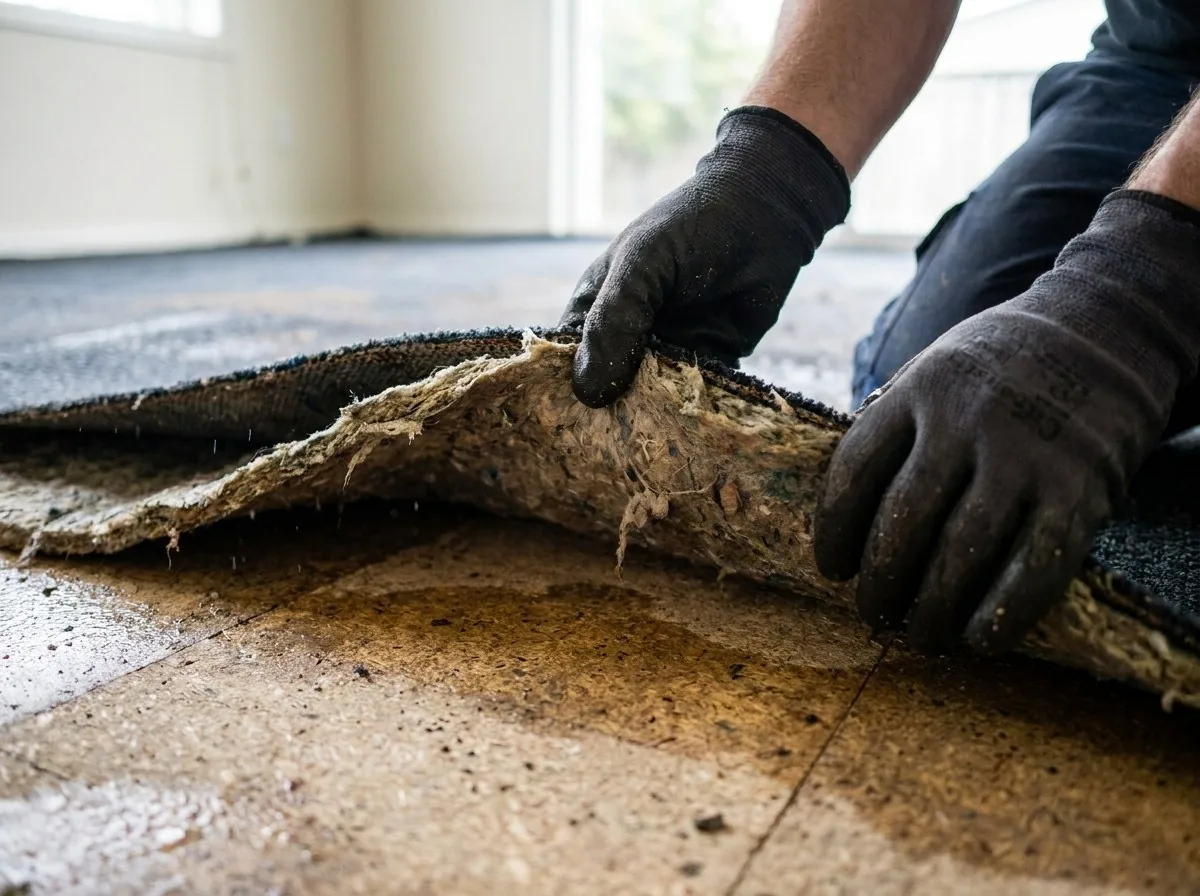
A basement flood in an Indianapolis home can affect seasonal storage, family records, and furniture at the same time. A careful inventory prevents avoidable disputes about what was present and what was damaged.
From first call to a dry, documented property
Inventory
The contents are documented before cleaning, disposal, or storage decisions.
Stabilize
Items are dried, frozen, moved, or isolated based on material and condition.
Clean
Appropriate cleaning and deodorization are selected for each group of belongings.
Return
Stored contents are returned after the structure and repaired rooms are ready.
Frequently Asked Questions
Not automatically. Photograph it and ask for an assessment, unless the item is contaminated or unsafe to keep.
Some documents can be air-dried, frozen, or professionally treated depending on value and condition. Handle them minimally and document them first.
A pack-out is the documented removal and storage of affected contents so the structure can be cleaned, dried, and repaired.
Independent guidance
This page is general education, not insurance, legal, electrical, or medical advice. For safety and moisture-control background, see EPA mold and moisture guidance, EPA flood cleanup guidance, and CDC floodwater safety guidance.
Need a clear next step?
Tell us what happened and we'll route your request to a local restoration professional who can assess the damage.