How to Document Water Damage for Insurance Without Missing the Details
Photograph the source, water path, rooms, materials, contents, and expenses; save the timeline and every notice or work order.
Published August 25, 2026 · Updated October 6, 2026 · General education for Indianapolis-area property owners
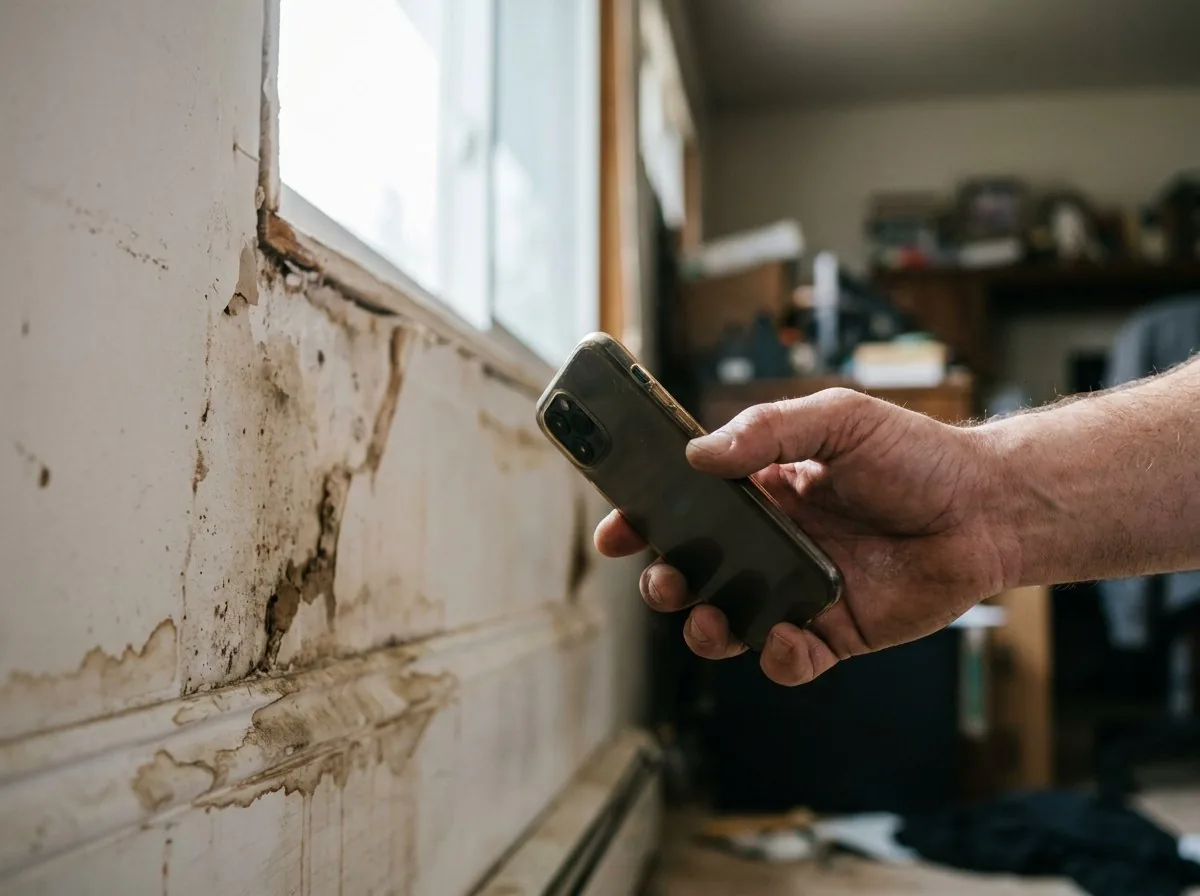
Photograph the source, water path, rooms, materials, contents, and expenses; save the timeline and every notice or work order.
Why this problem is easy to underestimate
Claims become harder when the first condition is lost. A simple room-by-room record gives you a factual baseline before items are moved or removed.
Documentation is not a substitute for coverage advice, but it helps separate what happened from what people later remember.
What to check first
- The source and the time discovered.
- Wide and close-up photos of each affected room.
- Contents, receipts, temporary expenses, and communications.
What to do next
Take photos before moving items when safe.
Write down when the leak started or was discovered.
Keep vendor names, estimates, receipts, and claim numbers together.
Do not discard major items before documenting them unless unsafe.
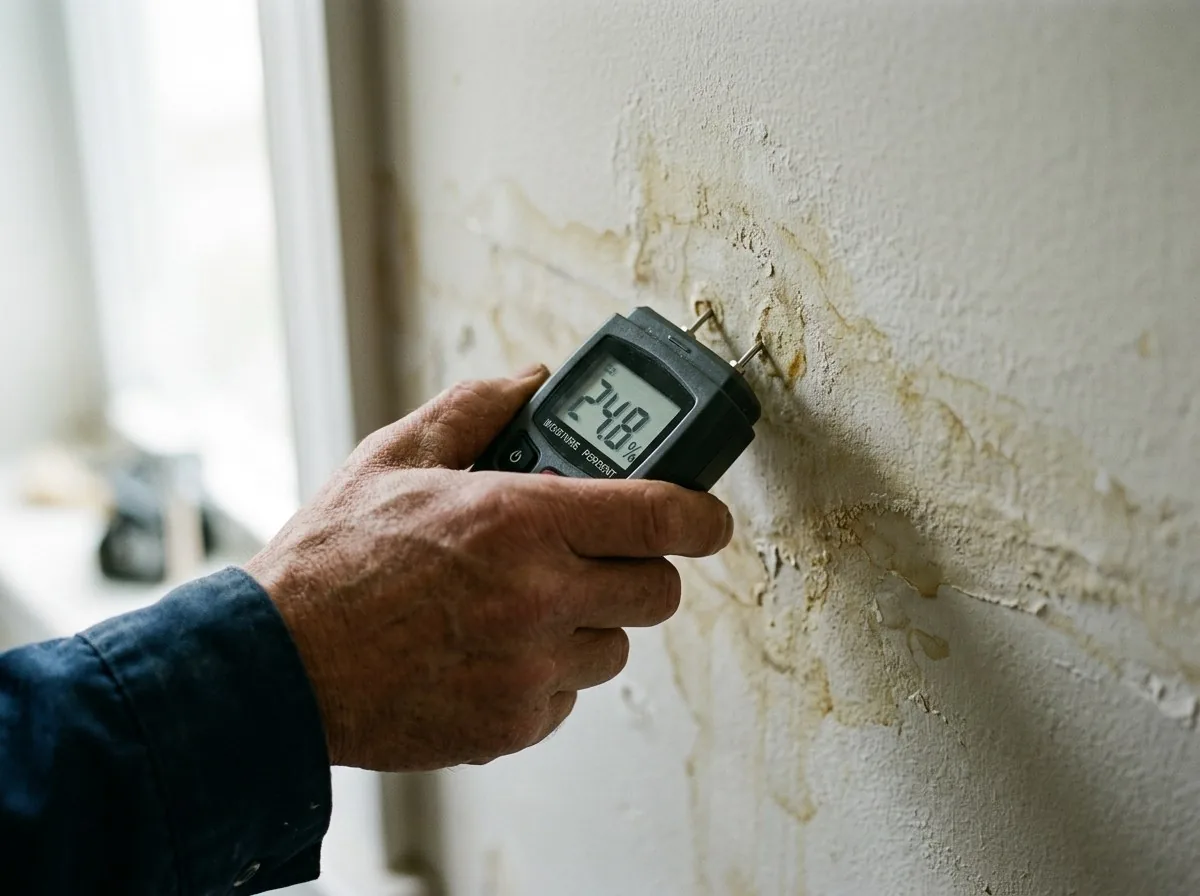
When a professional assessment makes sense
A professional assessment can add moisture maps and drying records.
Keep a dated folder with photos and notes.
Frequently Asked Questions
The source, water line, affected materials, belongings, and adjacent rooms.
No. Protecting the property promptly is important, but document the condition and follow your policy.
Keep them; they help show what was purchased and why.
Independent guidance
This page is general education, not insurance, legal, electrical, or medical advice. For safety and moisture-control background, see EPA mold and moisture guidance, EPA flood cleanup guidance, and CDC floodwater safety guidance.
Water is already affecting the property?
Use the emergency guide or call so the situation can be assessed before a small loss becomes a larger repair.