Condo Water Damage Responsibility: What to Document First
Before assigning blame, document the source, affected unit, shared elements, and governing documents; notify the association or manager promptly.
Published August 25, 2026 · Updated October 6, 2026 · General education for Indianapolis-area property owners

Before assigning blame, document the source, affected unit, shared elements, and governing documents; notify the association or manager promptly.
Why this problem is easy to underestimate
Responsibility can depend on the source, unit boundaries, association documents, and policies. Start with facts that multiple parties can verify.
Water can cross a unit boundary before anyone sees the full path. Early notice protects the building and creates a clearer record.
What to check first
- Where the water began.
- Which units, ceilings, walls, and common areas are affected.
- Whether a plumbing line is private or shared.
What to do next
Notify the manager or association.
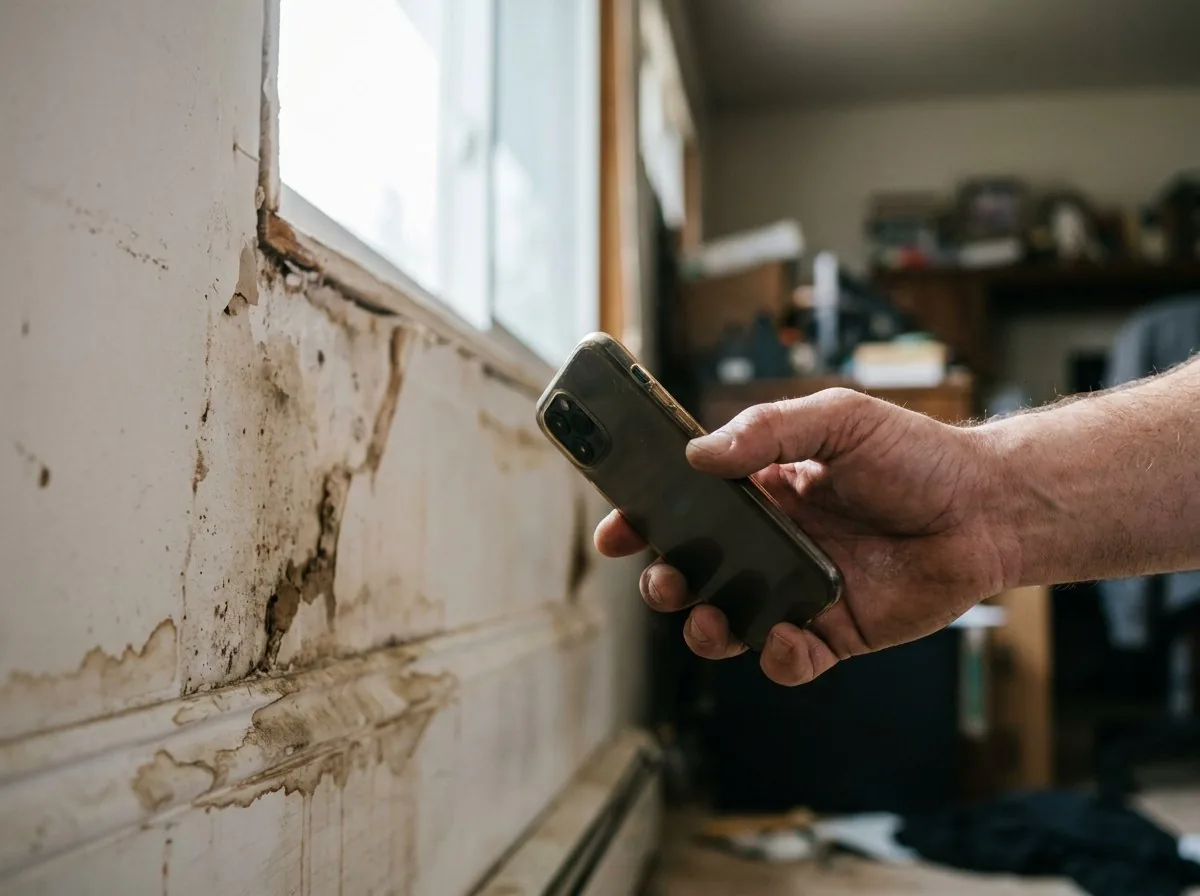
Photograph the source and impact.
Keep written communication.
Do not alter shared systems without authorization.
When a professional assessment makes sense
Get a moisture assessment that maps the affected areas.
Stacked plumbing and shared chases are common sources of confusion.
Frequently Asked Questions
No. The governing documents and cause matter.
No; coordinate access through management.
Photos, notices, work orders, governing documents, and estimates.
Independent guidance
This page is general education, not insurance, legal, electrical, or medical advice. For safety and moisture-control background, see EPA mold and moisture guidance, EPA flood cleanup guidance, and CDC floodwater safety guidance.
Water is already affecting the property?
Use the emergency guide or call so the situation can be assessed before a small loss becomes a larger repair.