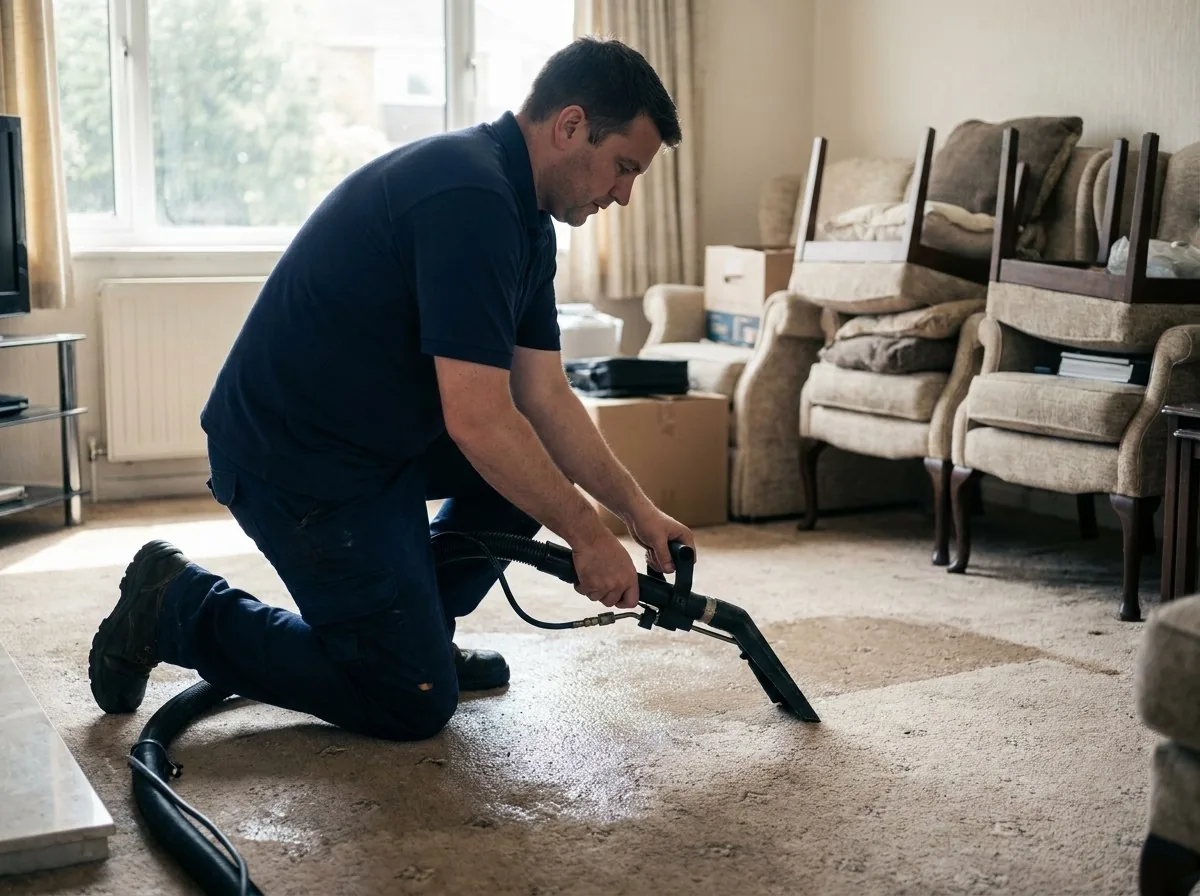
Condo Water Damage Restoration: Coordinate the Unit, the Building, and the Neighbor
Condo losses can involve more than one party. A supply line in one unit may affect a neighboring unit, shared walls, common areas, or building systems.
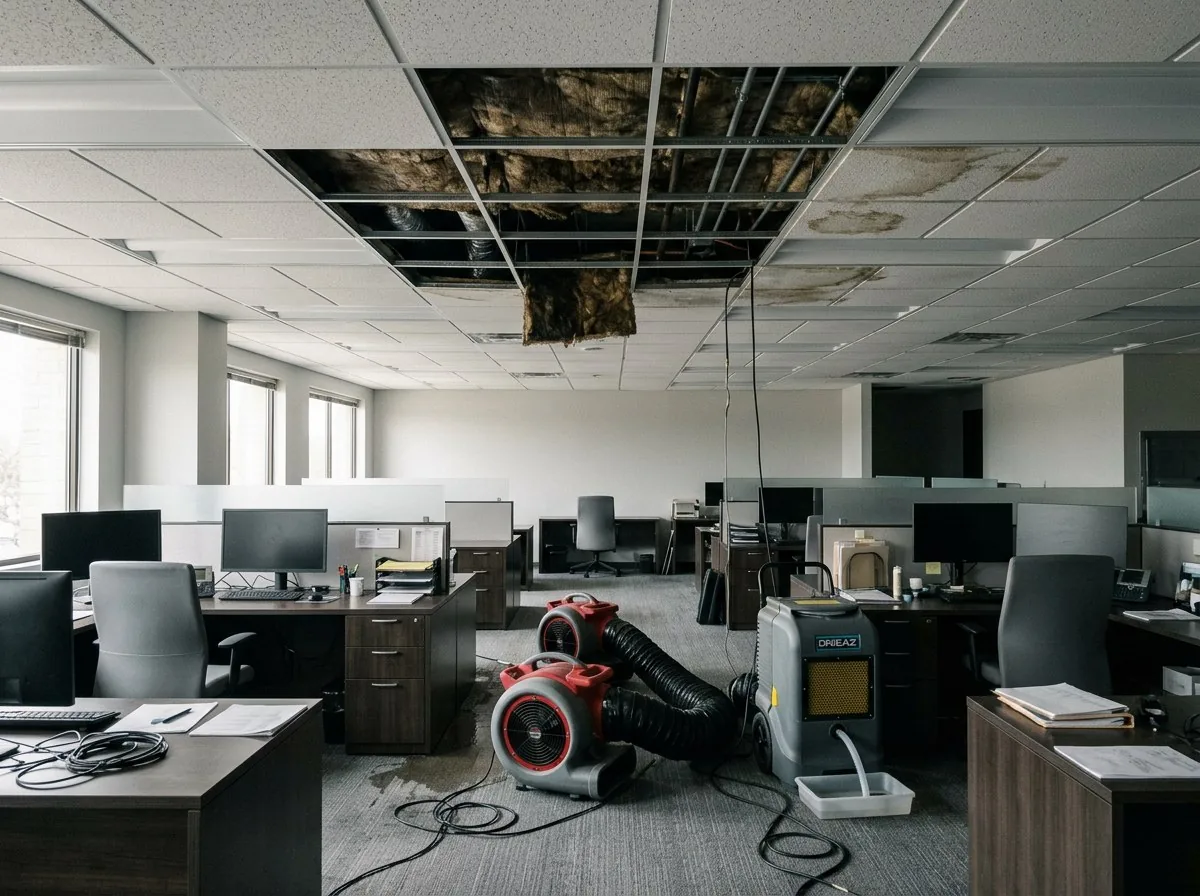
What to do when a condo unit or shared building area has water damage
Stop the source if it is safe, document the affected unit, and notify the property manager or association promptly. Do not assume the unit owner, association, or neighbor is automatically responsible without reviewing governing documents and the cause.
Do not enter another unit, alter shared systems, or make coverage promises. Keep communication factual and written.
What a responder will look for
The assessment must separate unit finishes, personal contents, common elements, and the source of the loss.
Source and access
The responder identifies the unit, floor, plumbing line, and access limits.
Shared assemblies
Walls, ceilings, chases, and building systems may carry moisture beyond the original unit.
Coordination
The owner, association, property manager, insurer, and repair trades may each have a role.
Steps that protect people and property
- Call emergency building management if water is active.
- Photograph the source, unit, rooms, and any neighboring impact.
- Notify the association or manager in writing and save the time of notice.
- Do not remove shared finishes before responsibilities and safety are understood.
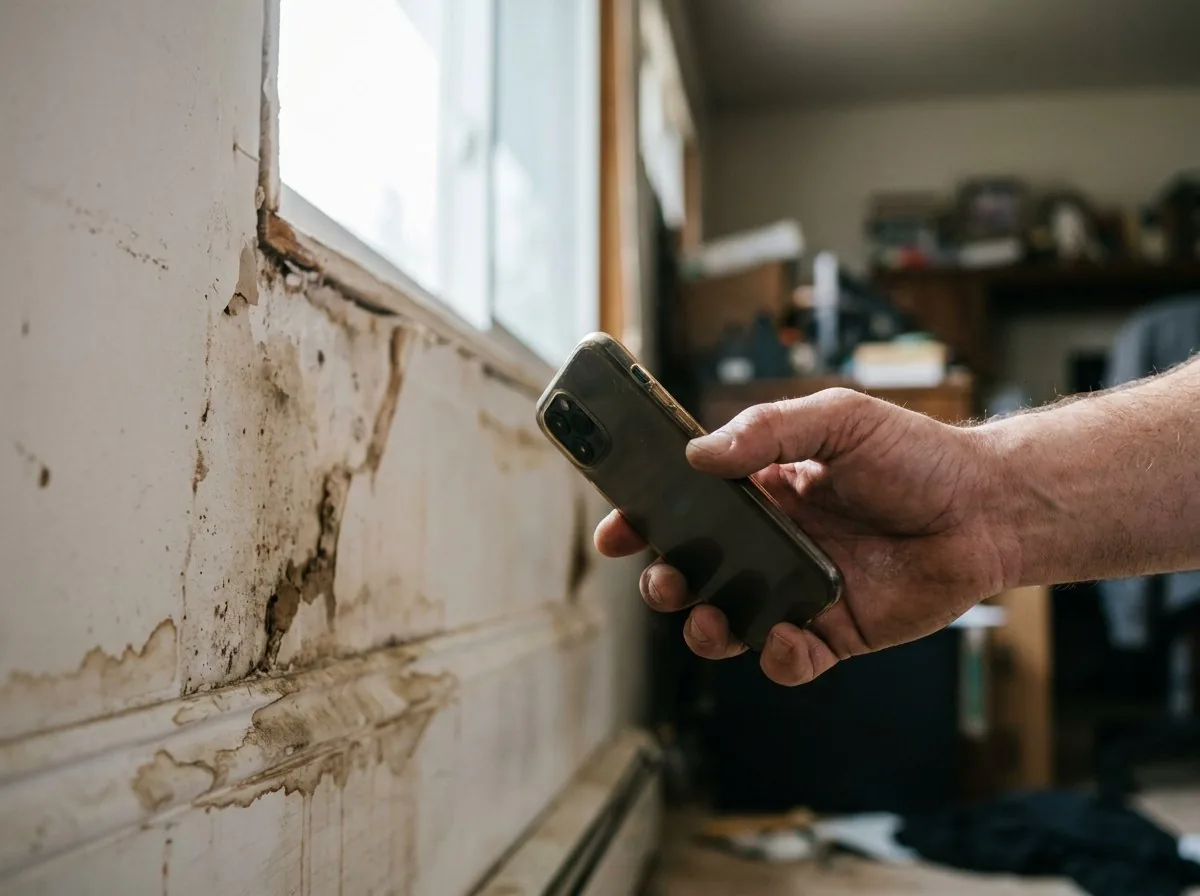
Indianapolis condo buildings can have shared plumbing chases and stacked wet areas. Early notice matters because the visible damage in one unit may not be the full footprint.
From first call to a dry, documented property
Make safe
The active water source and access plan are addressed.
Map units
Affected rooms and neighboring areas are documented.
Dry
Shared cavities and unit materials are dried with coordination.
Repair
Repairs are sequenced after cause, scope, and responsibility are clarified.
Frequently Asked Questions
It depends on the source, governing documents, unit boundaries, and insurance policies. Get the facts documented before assigning responsibility.
If water is active or unsafe, request emergency help and notify building management at the same time.
Yes. Plumbing chases, floor assemblies, ceilings, and shared walls can carry moisture beyond the room where the leak began.
Independent guidance
This page is general education, not insurance, legal, electrical, or medical advice. For safety and moisture-control background, see EPA mold and moisture guidance, EPA flood cleanup guidance, and CDC floodwater safety guidance.
Need a clear next step?
Tell us what happened and we'll route your request to a local restoration professional who can assess the damage.