How to Shut Off the Main Water in an Indianapolis Home
Where to look for a main water shutoff, what to do if it will not move, and when not to attempt the shutoff yourself.
Published and updated August 25, 2026 · General education for Indianapolis-area property owners
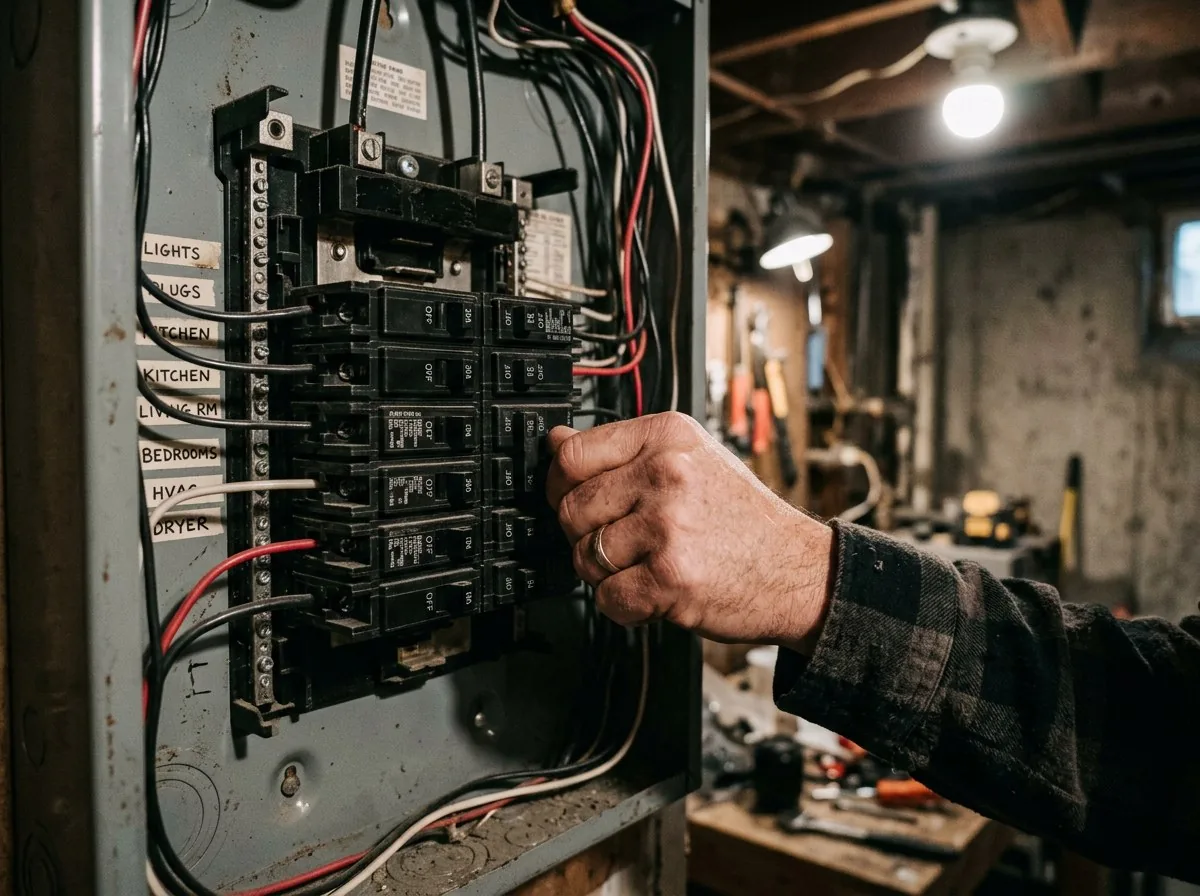
The main water shutoff is often near the water meter, where the service line enters the home, or in a utility area. If the valve is hard to reach, corroded, labeled unclearly, or near standing water, stop and call qualified help rather than forcing it.
Why this problem is easy to underestimate
A shutoff is useful only if you can reach it without entering an unsafe area. Water near electrical equipment, a flooded basement, or a damaged pipe changes the decision.
If you live in a rental, condo, or managed property, the building's emergency process may be faster and safer than searching for a private valve.
What to check first
- The basement, utility room, crawl-space access, or exterior meter area.
- A lever-style ball valve or wheel-style gate valve on the incoming service line.
- Whether the valve is accessible, labeled, and free of corrosion or damage.
What to do next
Keep people away from standing water with electrical risk.
If the valve is dry and easy to operate, turn it slowly rather than forcing it.
If it will not move, stop; do not use a wrench on a damaged valve.
Call emergency help and tell them whether water is still active and where the shutoff is located.
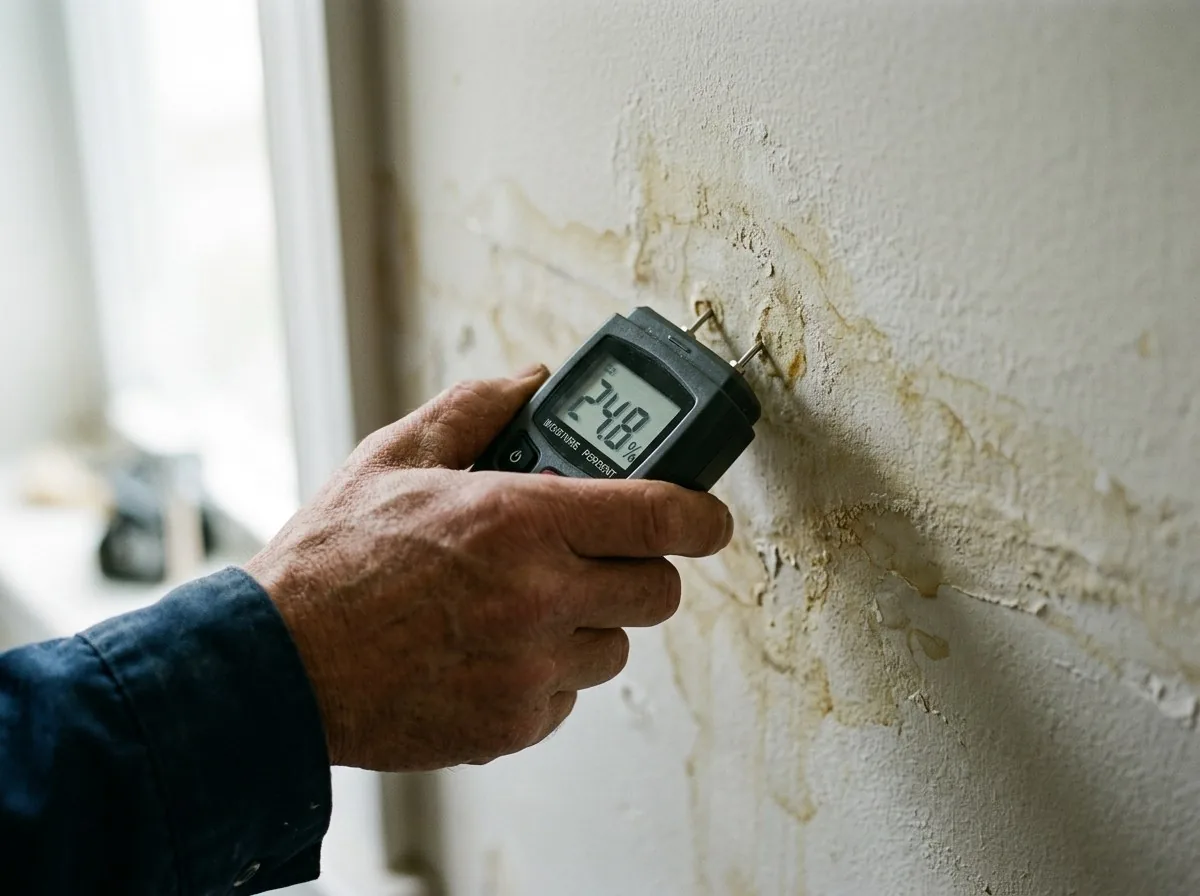
When a professional assessment makes sense
Professional help is appropriate when the leak is inside a wall, the shutoff is inaccessible, the building has shared service, or water has already reached flooring and wall cavities. Source control and drying are separate problems.
Indianapolis-area context
Indianapolis homes vary widely by age and foundation. Older homes may have tight utility areas or valves that have not been used in years; newer homes may place shutoffs in mechanical rooms or garages. Marking the valve after a professional inspection can save time later.
Frequently Asked Questions
No. Forcing a corroded or damaged valve can create a second leak. Call a plumber or emergency responder.
It may be in the unit, a shared mechanical room, or a building-controlled area. Contact management if the valve is not clearly private.
Only if you can do so without entering water or touching wet equipment. When in doubt, leave the area and call qualified help.
Independent guidance
This page is general education, not insurance, legal, electrical, or medical advice. For safety and moisture-control background, see EPA mold and moisture guidance, EPA flood cleanup guidance, and CDC floodwater safety guidance.
Water is already affecting the property?
Use the emergency guide or call so the situation can be assessed before a small loss becomes a larger repair.