Retail Store Water Loss Checklist: Stock, Safety, and Opening
Close unsafe areas, photograph stock and fixtures, protect merchandise only when safe, and create a reopening plan based on the actual water footprint.
Published August 25, 2026 · Updated October 6, 2026 · General education for Indianapolis-area property owners
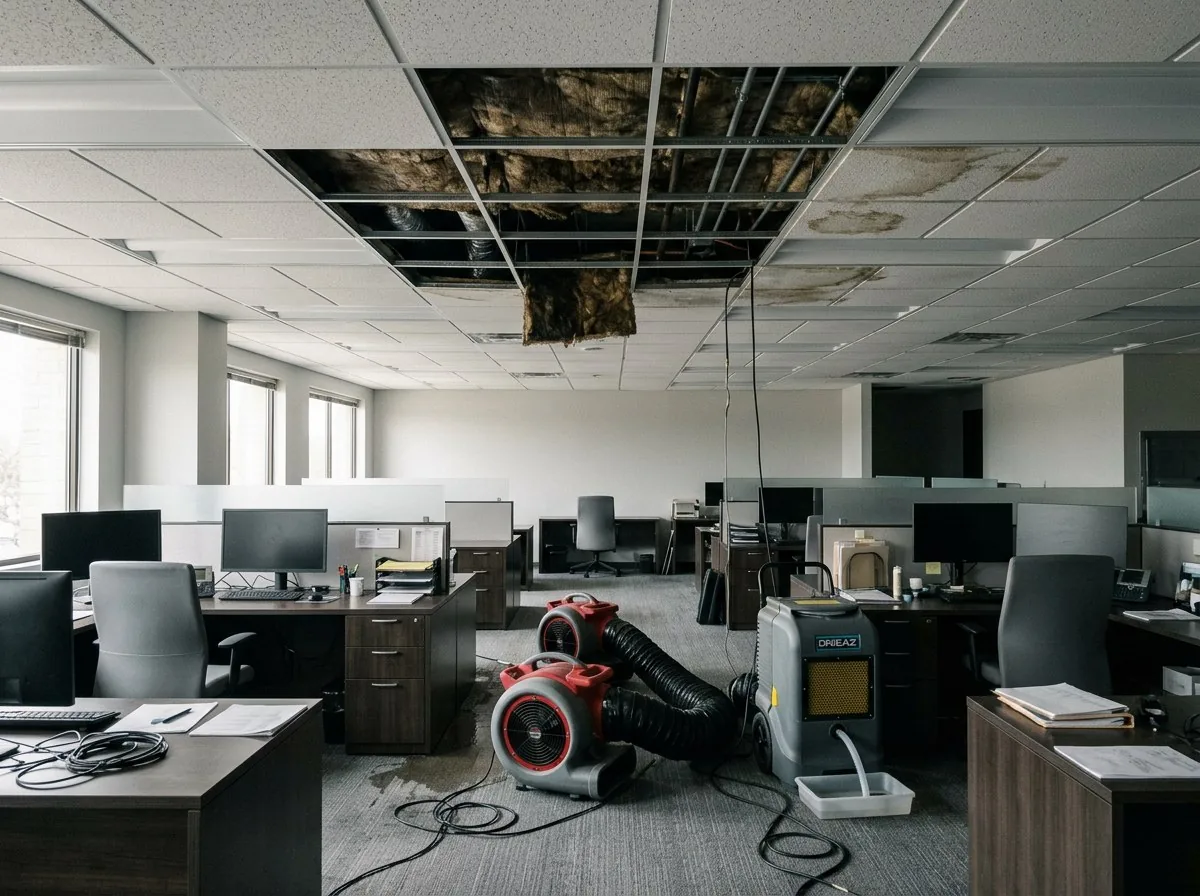
Close unsafe areas, photograph stock and fixtures, protect merchandise only when safe, and create a reopening plan based on the actual water footprint.
Why this problem is easy to underestimate
Retail cleanup is part building response and part inventory control. The store should not reopen a wet or electrically unsafe area simply because the main aisle looks dry.
Merchandise, point-of-sale equipment, and customer pathways create extra operational decisions.
What to check first
- The source and affected aisles or rooms.
- Merchandise condition and location.
- Customer safety and electrical concerns.
What to do next
Mark and isolate wet areas.
Photograph stock before moving it.
Keep item descriptions and locations.
Coordinate restoration and property management.
When a professional assessment makes sense
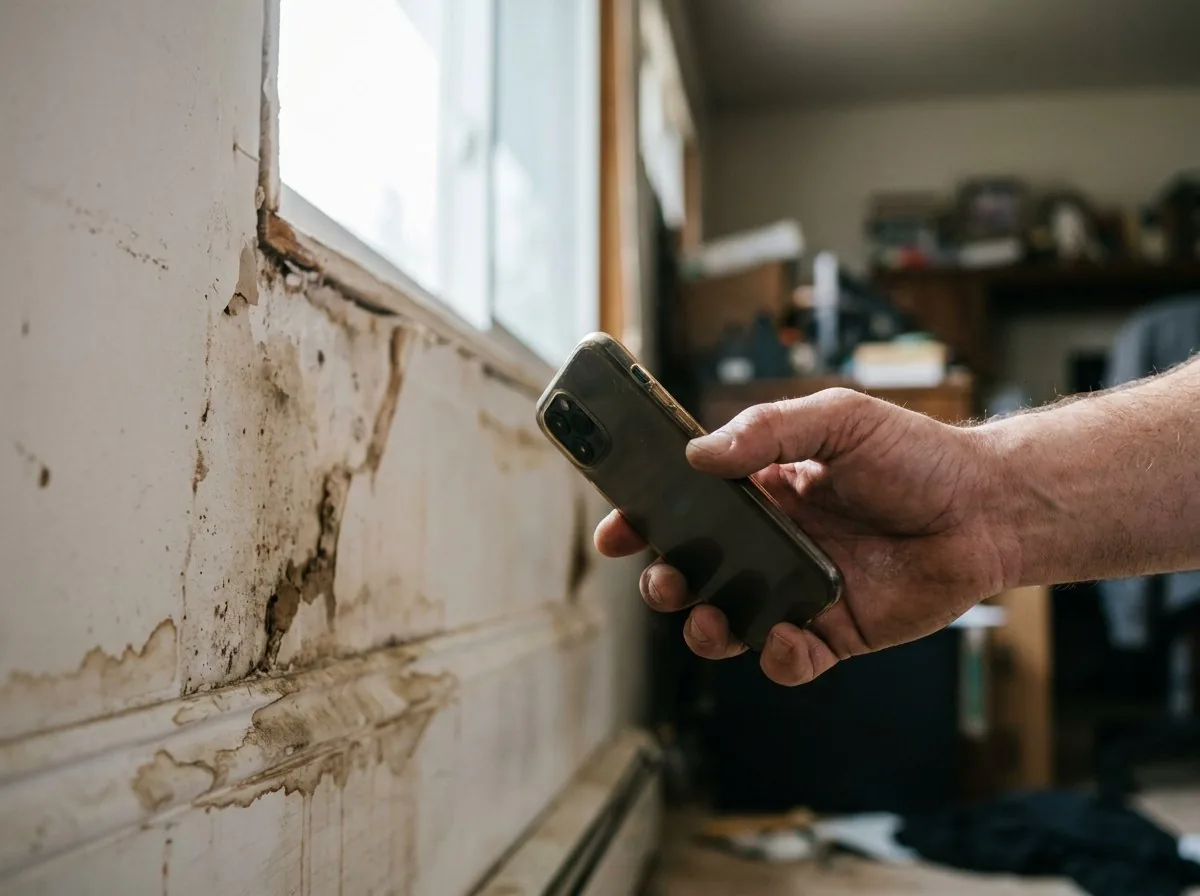
Use the assessment to decide what can be cleaned, dried, stored, or replaced.
Storefronts in older corridors may share walls and ceilings, so the visible aisle may not be the entire footprint.
Frequently Asked Questions
Close unsafe areas and follow the property's safety plan.
Photograph it in place and record item description, location, and condition.
Some materials can; the water source and material determine the path.
Independent guidance
This page is general education, not insurance, legal, electrical, or medical advice. For safety and moisture-control background, see EPA mold and moisture guidance, EPA flood cleanup guidance, and CDC floodwater safety guidance.
Water is already affecting the property?
Use the emergency guide or call so the situation can be assessed before a small loss becomes a larger repair.