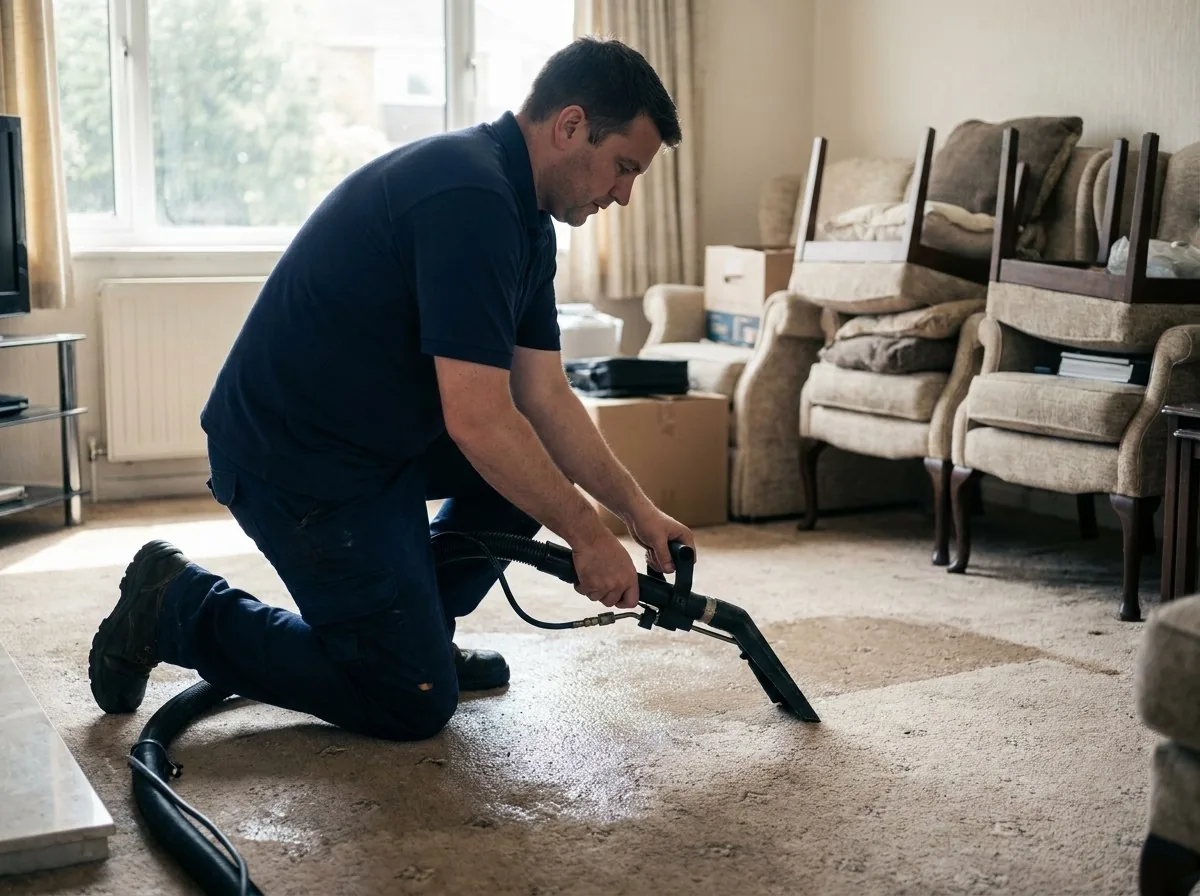
Retail Store Water Damage Restoration: Protect Stock, Access, and Opening Plans
Retail water damage can affect merchandise, point-of-sale equipment, customer safety, flooring, ceilings, and the ability to open. The first response should create a safe, documented path through the store.
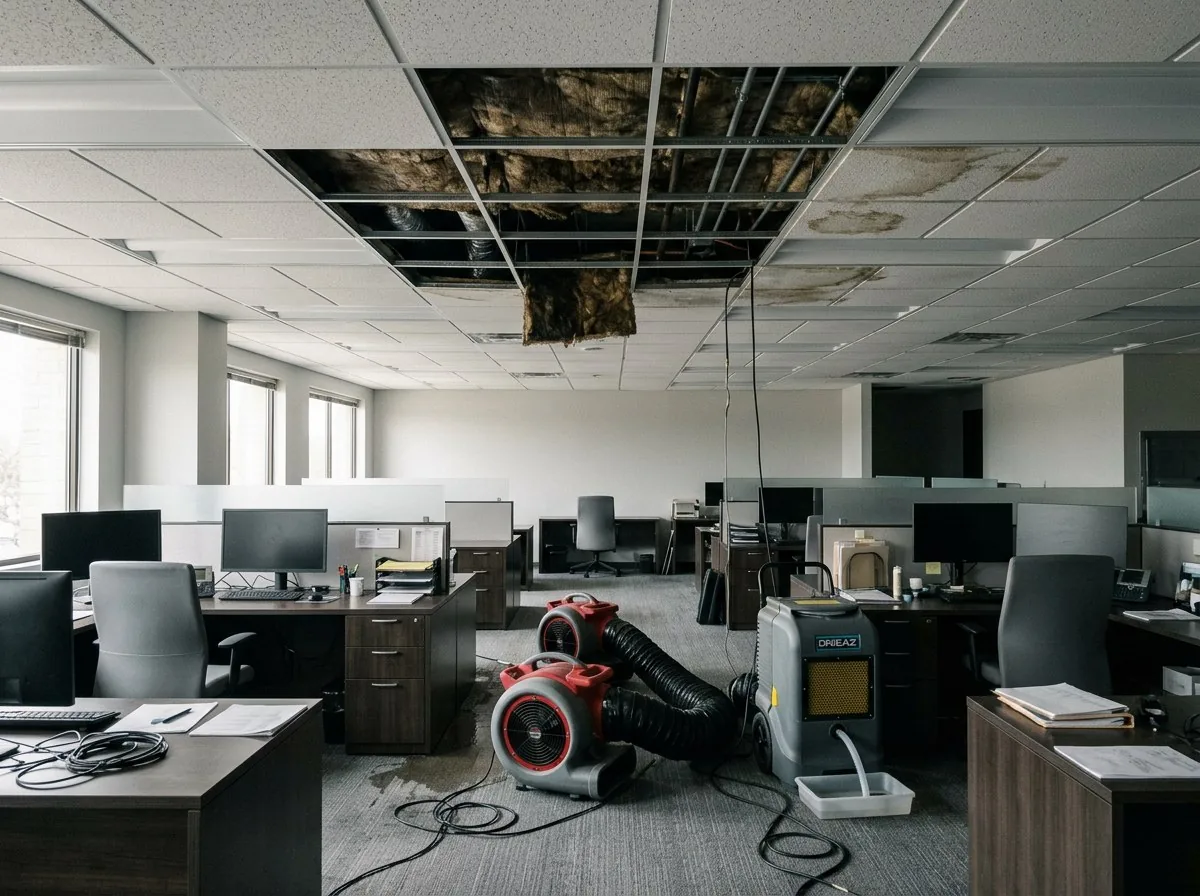
What to do when a storefront, stockroom, or shopping area has water damage
Close unsafe aisles, protect inventory only when it is safe, notify the property manager, and document the operational impact. Keep wet electrical equipment and unstable ceilings untouched.
Do not let customers or staff walk through standing water or handle wet electronics and stock without a safety plan.
What a responder will look for
The assessment separates building damage, merchandise, fixtures, point-of-sale equipment, and the area needed for a safe reopening.
Customer safety
The first priority is a safe boundary around wet floors, ceilings, and electrical hazards.
Stock
Merchandise is inventoried and grouped by water exposure and material.
Opening plan
The work can be staged so unaffected sales areas and deliveries are handled safely.
Steps that protect people and property
- Close and mark wet or unstable areas.
- Photograph water paths, merchandise, fixtures, and equipment.
- Move only lightweight stock from a safe area, keeping room labels.
- Record any closure, lost sales, or temporary storage expense.
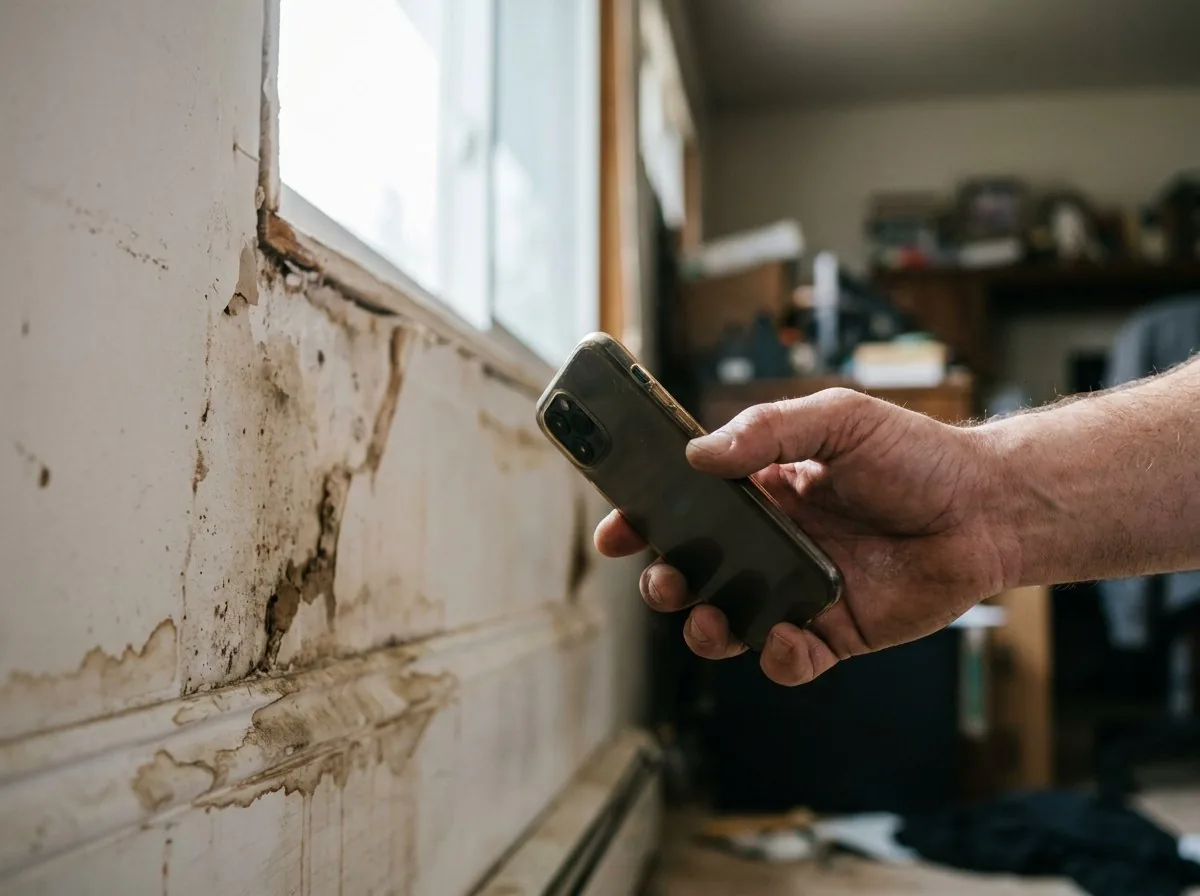
Storefronts in older Indianapolis retail corridors may have low ceilings, shared walls, or slab floors that hide moisture at edges. A walk-through with a room and stock list helps preserve the details.
From first call to a dry, documented property
Secure
The property is made safe for staff, customers, and responders.
Document
Stock and building impact are recorded before major movement.
Dry
Affected materials and contents receive a staged drying plan.
Reopen
The owner confirms the store is safe and the remaining work is scheduled.
Frequently Asked Questions
Close any unsafe area and follow the property's safety plan. The full store may not need to close, but that decision should be based on an assessment.
Photograph it in place, record SKU or description and condition, and separate items only when safe. Keep a simple room or aisle location.
Some materials can be cleaned or dried; others cannot. The water source and material determine the handling plan.
Independent guidance
This page is general education, not insurance, legal, electrical, or medical advice. For safety and moisture-control background, see EPA mold and moisture guidance, EPA flood cleanup guidance, and CDC floodwater safety guidance.
Need a clear next step?
Tell us what happened and we'll route your request to a local restoration professional who can assess the damage.