Roof Leak After a Storm: Interior Cleanup and Safe Next Steps
Photograph roof-related interior damage from safe locations, keep away from unstable ceilings and wet electrical equipment, and arrange roofing and drying assessments.
Published August 25, 2026 · Updated October 6, 2026 · General education for Indianapolis-area property owners
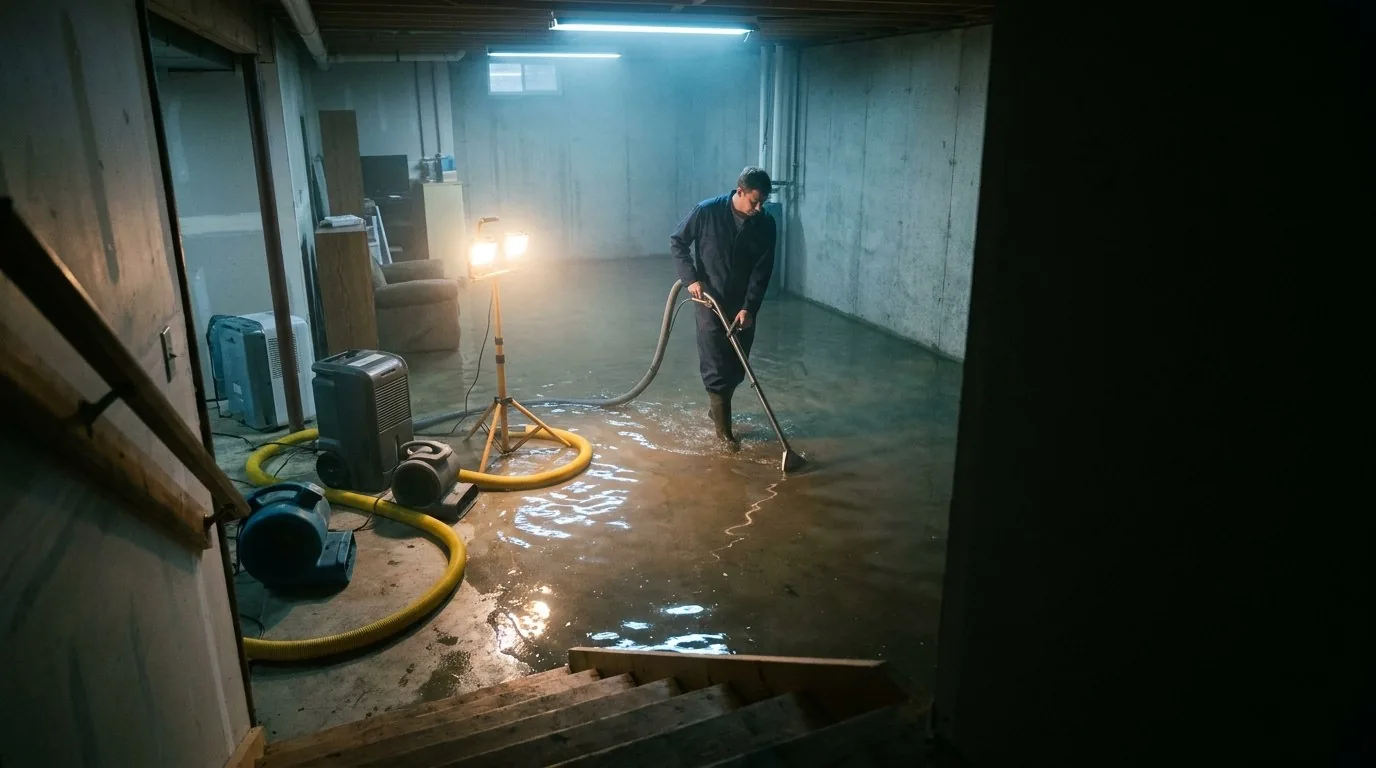
Photograph roof-related interior damage from safe locations, keep away from unstable ceilings and wet electrical equipment, and arrange roofing and drying assessments.
Why this problem is easy to underestimate
The ceiling stain is often downstream from the roof opening. Interior drying and exterior source repair need to be coordinated.
Wind-driven rain can travel along rafters and insulation, so the visible room may not show the entire path.
What to check first
- Ceiling stains and active drips.
- Attic insulation, sheathing, and nearby walls.
- Exterior roof, flashing, vent, or skylight damage from the ground.
What to do next
Use a container only if it is safe.
Move belongings away.
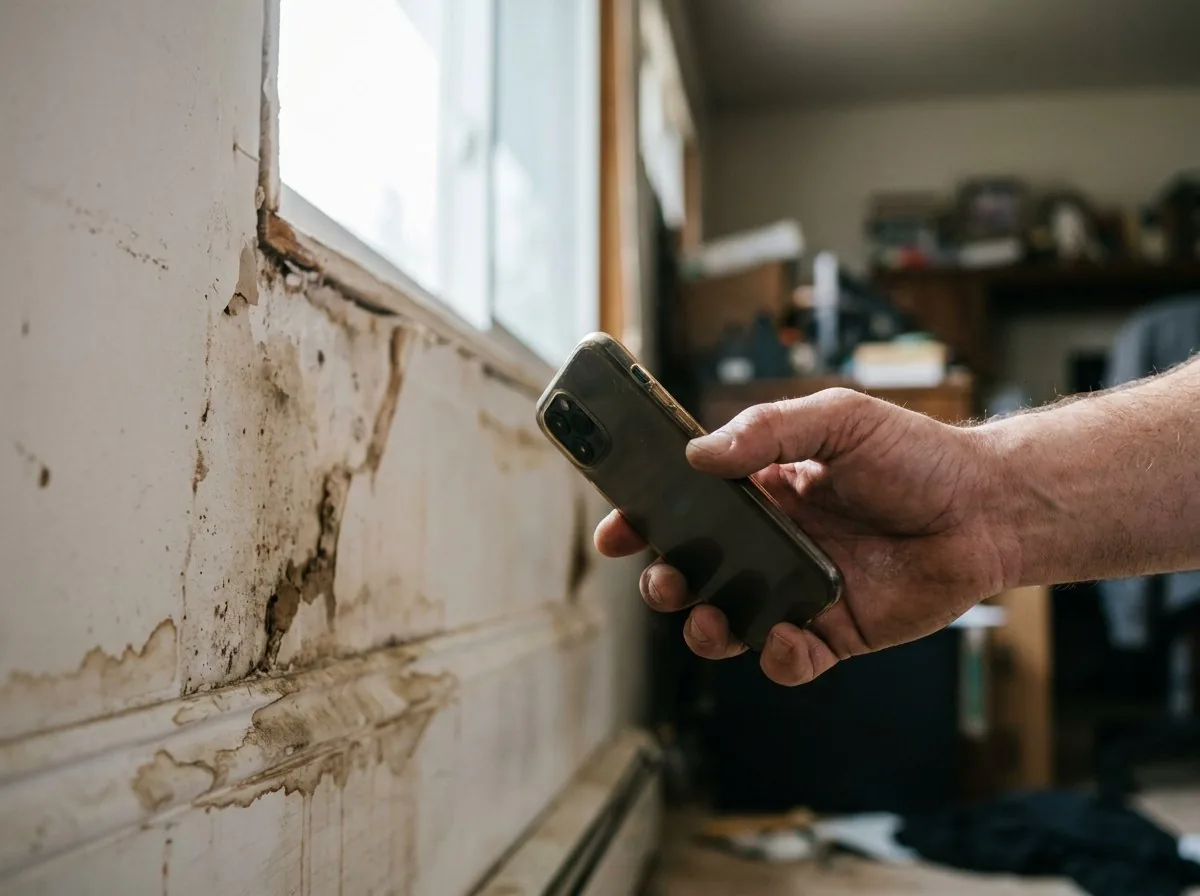
Take ground-level exterior photos.
Call a roofer; do not climb a damaged roof.
When a professional assessment makes sense
Arrange restoration help if materials are wet.
Keep the storm date and photos together.
Frequently Asked Questions
Do not climb on a wet or damaged roof.
It may; the source needs inspection.
Not until the opening is repaired and the cavity is dry.
Independent guidance
This page is general education, not insurance, legal, electrical, or medical advice. For safety and moisture-control background, see EPA mold and moisture guidance, EPA flood cleanup guidance, and CDC floodwater safety guidance.
Water is already affecting the property?
Use the emergency guide or call so the situation can be assessed before a small loss becomes a larger repair.