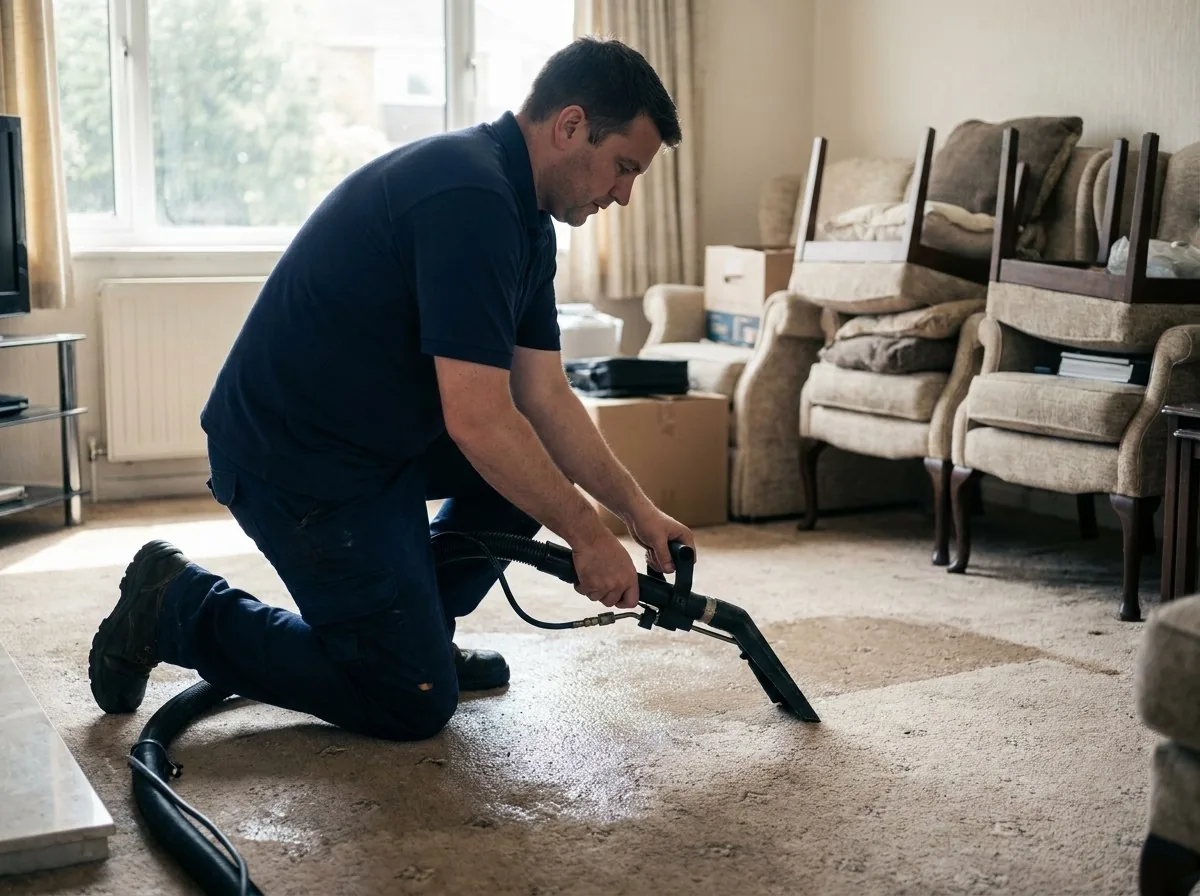
Roof Leak Water Damage Cleanup: Stop the Interior Damage, Then Fix the Opening
A roof leak can appear as a ceiling stain far from the actual entry point. Rain may travel along rafters, insulation, wiring, and drywall before showing up inside.
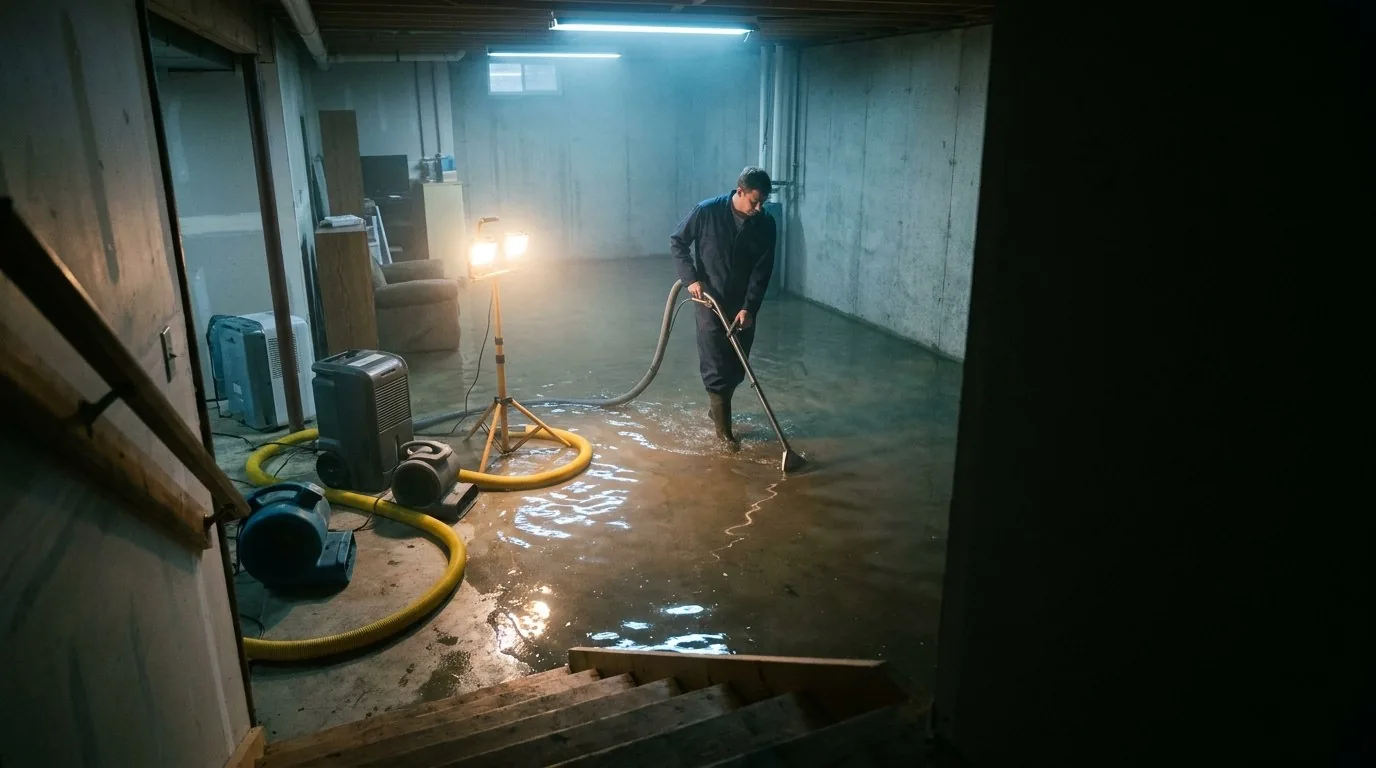
What to do when rainwater is entering through a roof, flashing, vent, skylight, or attic opening
Use exterior photos and the date of the weather event to document the opening, but do not climb onto a wet or damaged roof. Inside, protect belongings and keep clear of sagging ceilings.
Do not use electrical fixtures or fans that are wet. Roof access belongs to a qualified roofing professional, especially after wind or storm damage.
What a responder will look for
The assessment traces the interior moisture path and separates emergency drying from roofing repair so the area does not get wet again.
Entry point
Roofing, flashing, vents, skylights, and chimney details are common places for water to enter.
Attic materials
Insulation and roof sheathing can hold moisture after the ceiling surface looks better.
Finished rooms
Ceilings, walls, flooring, and contents below the leak are documented and checked.
Steps that protect people and property
- Place a container under a drip only if it is safe and does not require touching electrical equipment.
- Move furniture and valuables away from the area.
- Photograph the interior stain and exterior damage from ground level.
- Call a roofer for the opening and a restoration responder when building materials are wet.
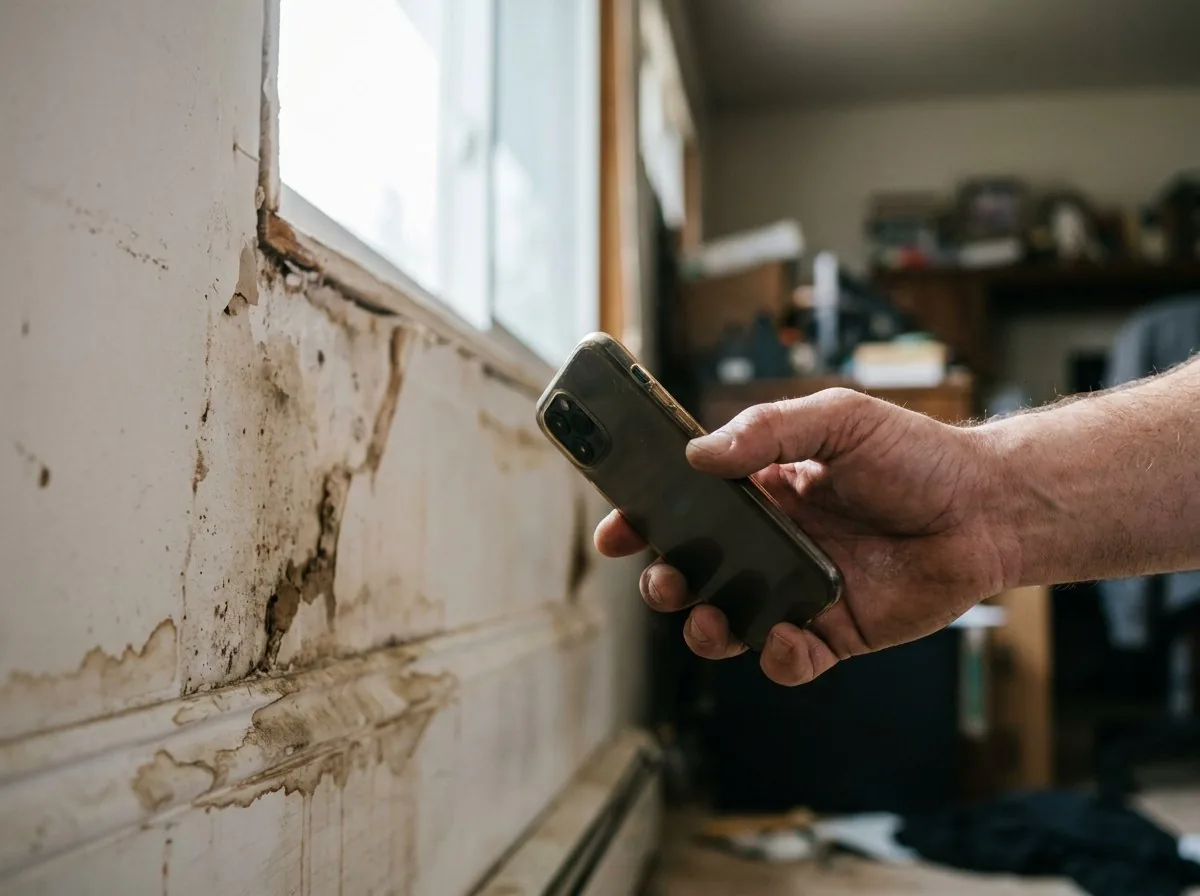
Wind-driven rain and freeze-thaw cycles can expose small roof weaknesses around Central Indiana homes. Keeping a roof inspection record and storm date makes later conversations easier.
From first call to a dry, documented property
Make it safe
The work zone is protected and the most immediate water path is contained.
Trace moisture
Readings and access points help show how far water traveled.
Dry the structure
Attic insulation, ceiling cavities, and finished surfaces are addressed based on material and source.
Close the loop
Roof repairs happen before final reconstruction and repainting.
Frequently Asked Questions
Yes, if insulation or wood remains damp. Promptly fixing the opening and drying the affected assembly reduces the chance of ongoing moisture problems.
Do not climb onto a wet or damaged roof. A qualified roofer can install temporary protection safely.
It depends on the cause, maintenance history, exclusions, and policy language. Document the storm and the resulting interior damage, then ask the insurer.
Independent guidance
This page is general education, not insurance, legal, electrical, or medical advice. For safety and moisture-control background, see EPA mold and moisture guidance, EPA flood cleanup guidance, and CDC floodwater safety guidance.
Need a clear next step?
Tell us what happened and we'll route your request to a local restoration professional who can assess the damage.