Water Damage After a Long Weekend: What to Do When It Sat
After a leak sits for days, document the condition, avoid disturbing contaminated materials, and get moisture and material decisions assessed before cleanup.
Published August 25, 2026 · Updated October 6, 2026 · General education for Indianapolis-area property owners
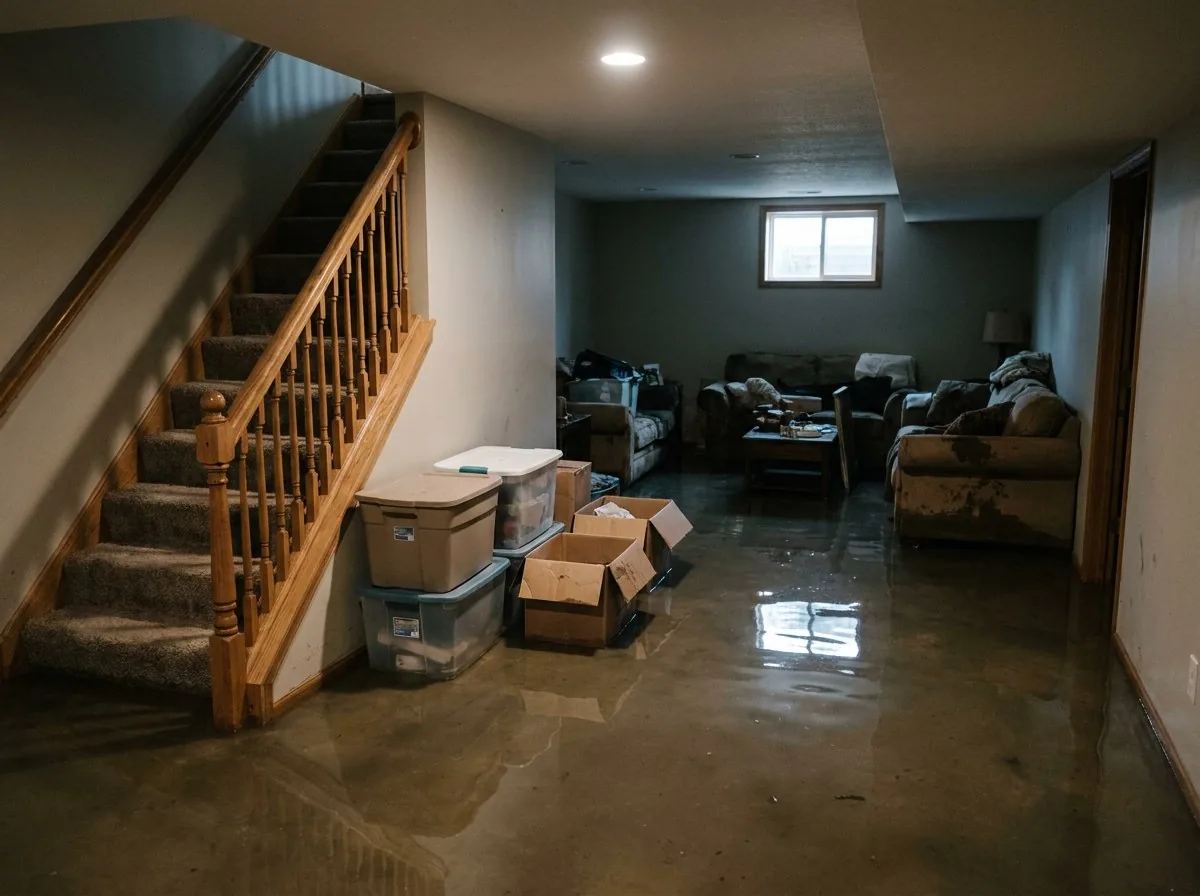
After a leak sits for days, document the condition, avoid disturbing contaminated materials, and get moisture and material decisions assessed before cleanup.
Why this problem is easy to underestimate
A delayed discovery does not make assessment pointless. It changes the questions: what stayed wet, what was contaminated, what can be dried, and what needs removal.
Time, temperature, humidity, and water type affect materials differently.
What to check first
- How long the property was unattended.
- Odor, staining, swelling, and visible growth.
- Materials and contents that were submerged or saturated.
What to do next
Do not enter unsafe or contaminated areas.
Photograph the condition before moving things.
Do not run fans if visible mold may spread.
Call for qualified assessment.
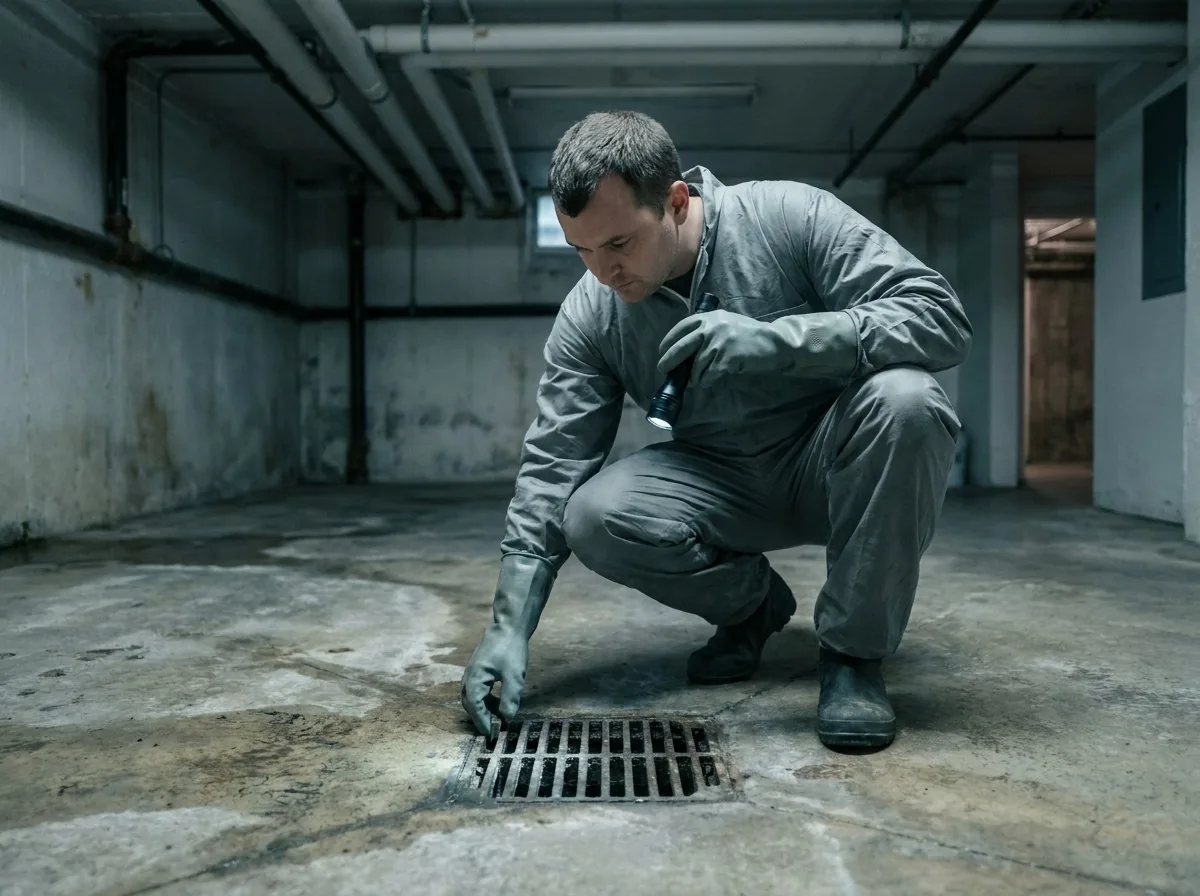
When a professional assessment makes sense
Ask for a room-by-room plan and documentation.
Wet basements and closed homes can develop strong odors during warm weather.
Frequently Asked Questions
Often, but the scope may be larger and contaminated porous materials may need removal.
Do not spread visible mold with fans; get qualified guidance.
Document first unless an item is an immediate hazard.
Independent guidance
This page is general education, not insurance, legal, electrical, or medical advice. For safety and moisture-control background, see EPA mold and moisture guidance, EPA flood cleanup guidance, and CDC floodwater safety guidance.
Water is already affecting the property?
Use the emergency guide or call so the situation can be assessed before a small loss becomes a larger repair.