Garage Flood Cleanup: Protect Tools, Walls, and the House Interior
Move people away from unsafe water, protect electrical and stored chemicals, and check the wall and floor edge shared with the home.
Published August 25, 2026 · Updated October 6, 2026 · General education for Indianapolis-area property owners
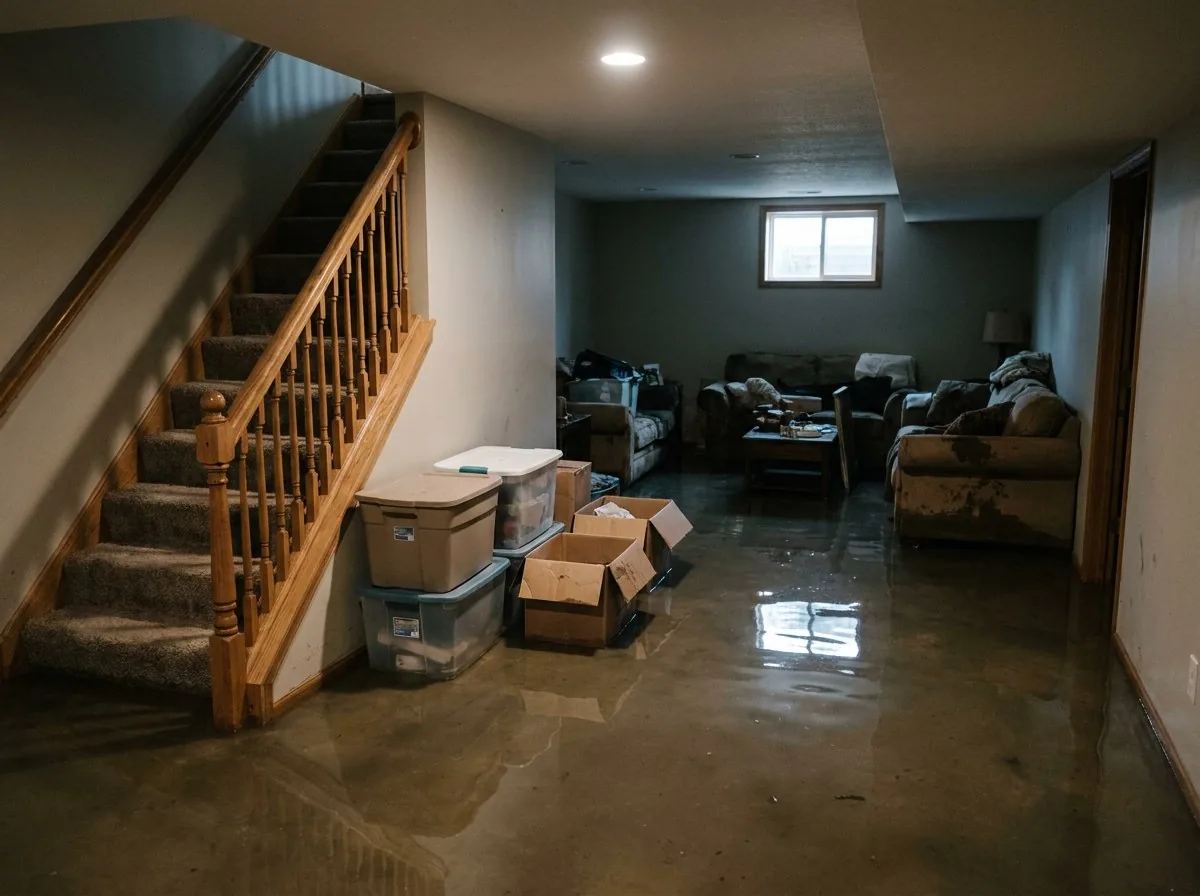
Move people away from unsafe water, protect electrical and stored chemicals, and check the wall and floor edge shared with the home.
Why this problem is easy to underestimate
A garage flood can affect more than a concrete slab. Water can reach drywall, insulation, stored contents, mechanical rooms, and the threshold into living space.
Garages collect tools, paints, batteries, and chemicals that create extra safety questions.
What to check first
- Whether water entered from a door, drain, roof, plumbing, or outside grading.
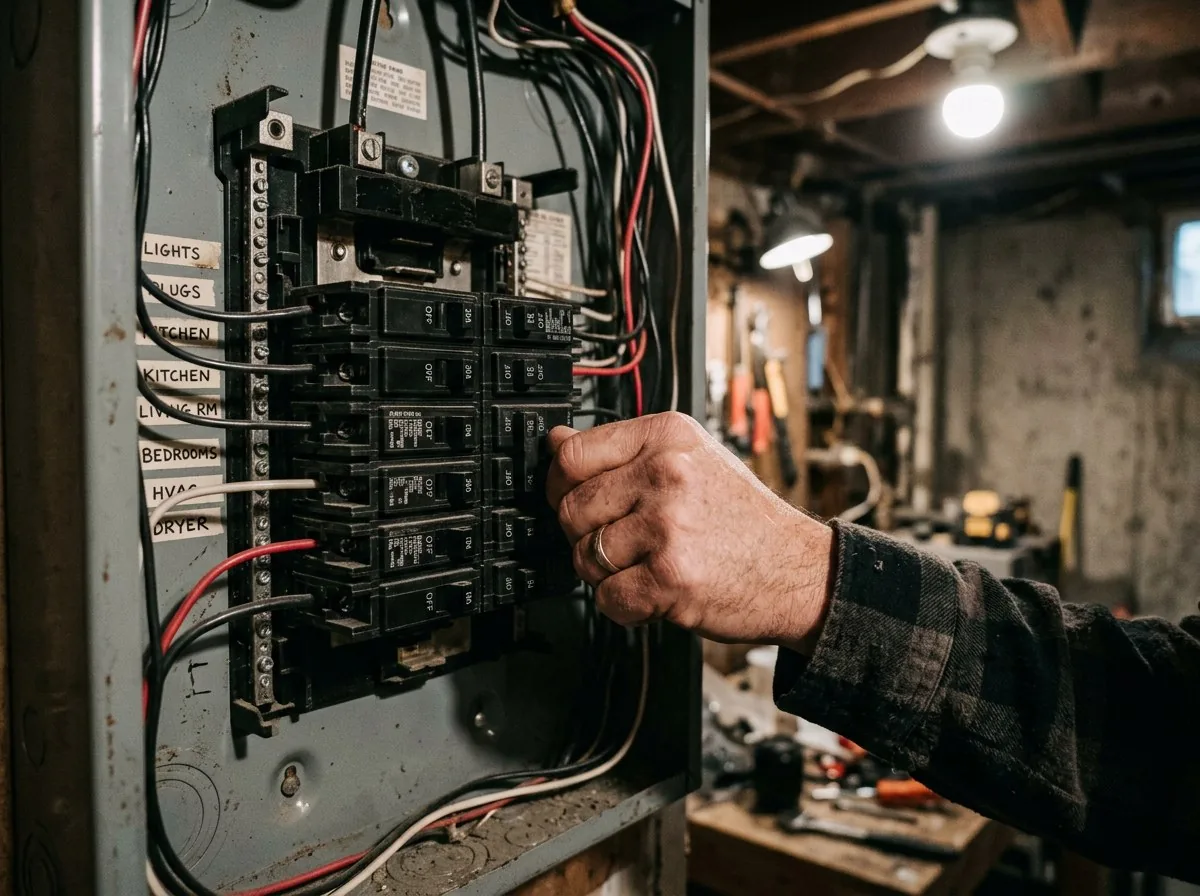
- Stored chemicals, appliances, and electrical equipment.
- The shared wall, sill plate, and interior threshold.
What to do next
Keep out of contaminated or electrically unsafe water.
Move only safe, lightweight items.
Photograph the entry path and contents.
Call for assessment if drywall or the home interior was affected.
When a professional assessment makes sense
Concrete may dry differently from drywall, insulation, and wood framing.
Indianapolis-area storms can drive water under garage doors and through drainage paths.
Frequently Asked Questions
Only for confirmed clean water and safe electrical conditions; do not use it on sewage or floodwater.
The water source and material condition determine the decision.
Keep chemicals out of the water and call qualified help if containers are damaged.
Independent guidance
This page is general education, not insurance, legal, electrical, or medical advice. For safety and moisture-control background, see EPA mold and moisture guidance, EPA flood cleanup guidance, and CDC floodwater safety guidance.
Water is already affecting the property?
Use the emergency guide or call so the situation can be assessed before a small loss becomes a larger repair.