Property Manager Water Damage Response: The First 24 Hours
Create a safety boundary, communicate with occupants, stop the source, document the building, and track every action during the first response.
Published August 25, 2026 · Updated October 6, 2026 · General education for Indianapolis-area property owners
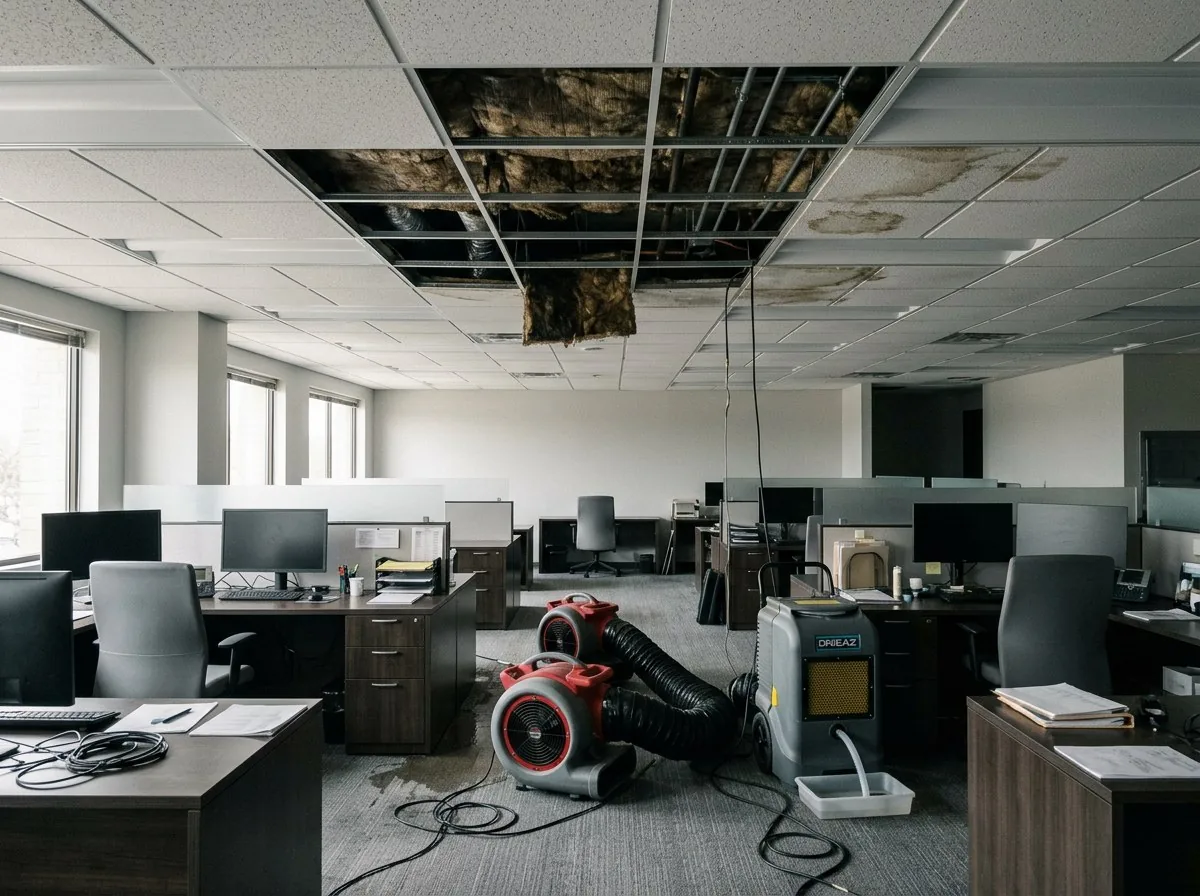
Create a safety boundary, communicate with occupants, stop the source, document the building, and track every action during the first response.
Why this problem is easy to underestimate
Property managers need one shared record that covers source, units, access, vendors, occupants, and the repair sequence.
Multi-unit losses become harder when multiple people act without a common timeline.
What to check first
- Active water and safety boundaries.
- Affected units, common areas, and neighbors.
- Vendor calls, access, and communications.
What to do next
Call emergency vendors and building contacts.
Notify occupants with clear safety instructions.
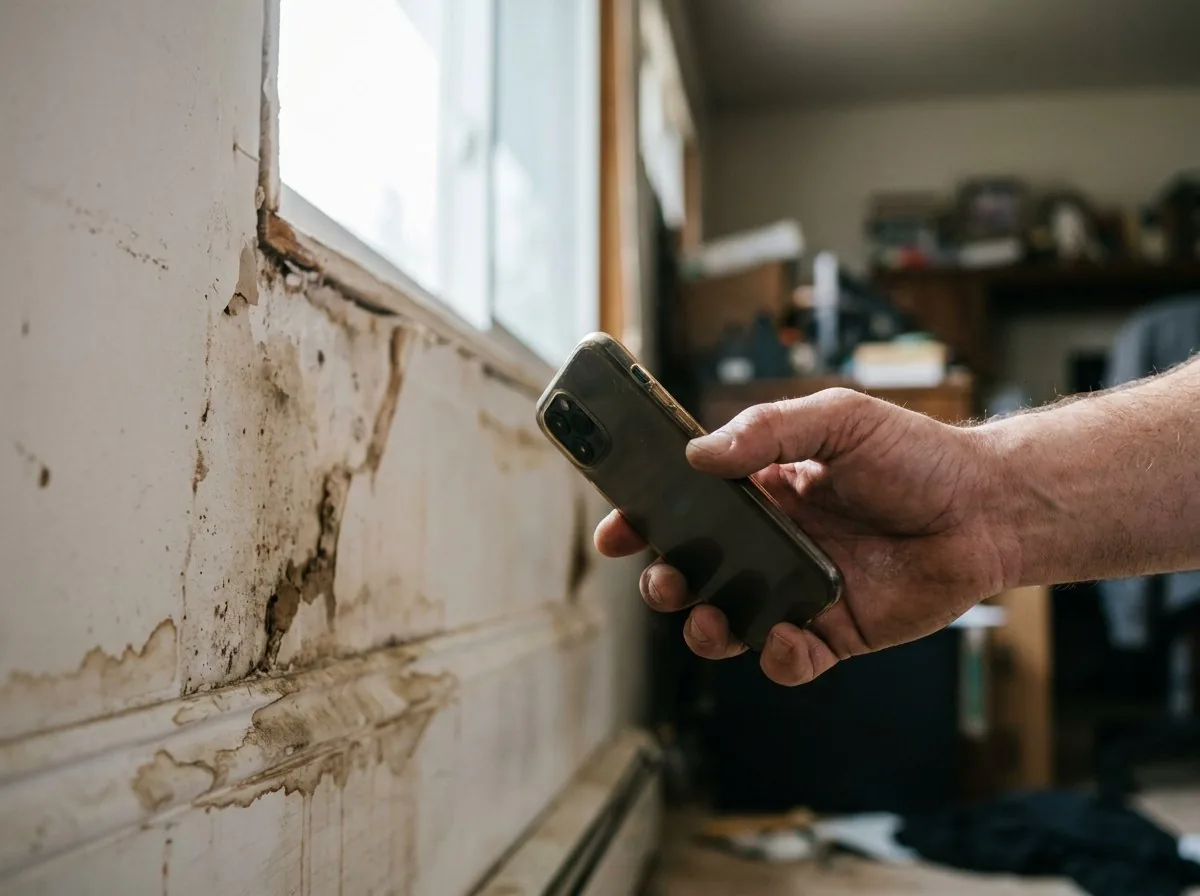
Photograph common areas and units.
Track times, names, and decisions.
When a professional assessment makes sense
Use a written drying and access plan to reduce repeated entries and missed areas.
Central Indiana property managers may need to coordinate older buildings, newer apartments, and mixed-use sites.
Frequently Asked Questions
Source, times, affected areas, occupants, vendors, photos, expenses, and decisions.
Only when the area is safe and management has given clear instructions.
Management usually coordinates access while qualified trades address the source and restoration.
Independent guidance
This page is general education, not insurance, legal, electrical, or medical advice. For safety and moisture-control background, see EPA mold and moisture guidance, EPA flood cleanup guidance, and CDC floodwater safety guidance.
Water is already affecting the property?
Use the emergency guide or call so the situation can be assessed before a small loss becomes a larger repair.